EDGE Interview: Rich Burns On Shaping 'The Disappointments' Into the Definitive Queer Midlife Comedy
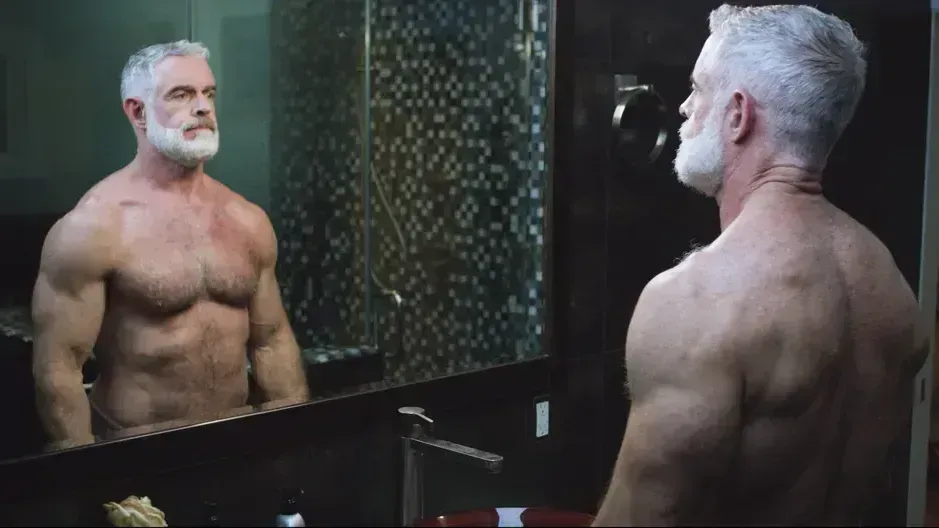
Photo Credit: Provided
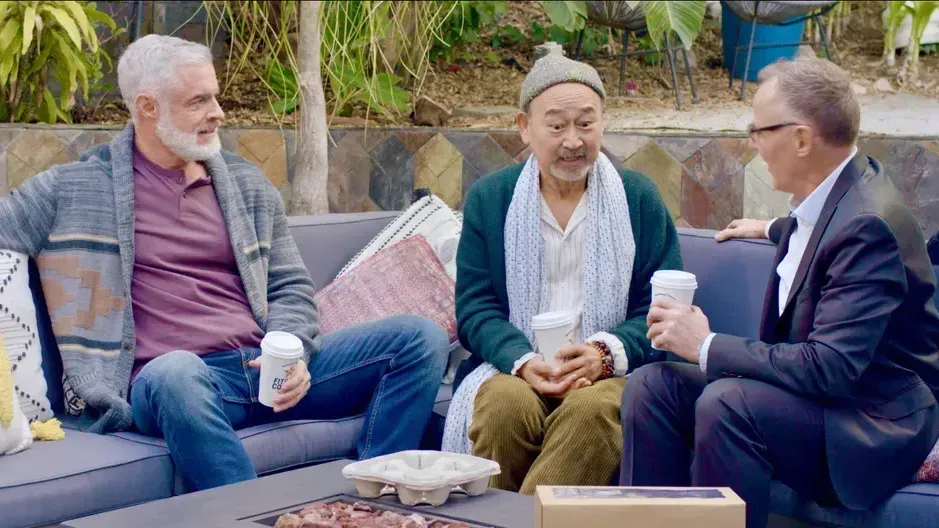
The Disappointments, from creator/director Rich Burns, is the Humanitas Prize-winning digital series about three middle-aged gay best friends trying to figure out how to live their best lives. About what to expect from the upcoming Season 2, creator Rich Burns says, “We ended Season 1 with a big cliffhanger – a time jump, where we see Ray and Dwight were broken up with no explanation. In Season 2, we see what went down between them and what comes next. This season will also dive more deeply into the lives and careers of Ray, James, and Gary. We see them in new and challenging work settings, and getting promising opportunities that could help them turn their lives around. I’m really excited for people to see the incredible work our cast and crew have done, and I can't wait for viewers to meet all the new characters who bring the laughs, the conflict, and more heart and more dreams. Season 2 is definitely a big step up.”
EDGE: What lessons did you learn from season 1 that you are bringing into season 2?
RB: Season One was really an experiment, and it wasn’t until I got into the editing that I understood what the show wanted to be. I realized the heart of it was the friendship among the three main characters—keeping them together, talking, reacting, and navigating life as a unit. I also leaned into the humiliation comedy, which ramps up as the season goes on. These guys suddenly realize they’re running out of time, they can’t retire, and they end up taking odd jobs that lead to increasingly embarrassing situations. Watching them try—and fail—to reinvent themselves is part of the fun. Between seasons, I learned to trust the show and rely on the crew. Being on set, seeing something I wrote alone in a room become a full world, is incredible. And so many people worked on this project purely out of passion—actors deferred salaries, the cameraman took a fraction of his usual rate. It reminded me that if you trust the material, people show up for it.
EDGE: The show tackles midlife challenges in the LGBTQ community with honesty and humor. Why do you think that perspective has been underrepresented in the media?
RB: Honestly, the biggest issue is simply that it’s not considered “sexy.” And that’s not just in gay culture—straight culture has the same problem. You don’t see a lot of representation of straight characters over 50 either. There are exceptions, of course—Larry David on Curb Your Enthusiasm, which I adore and definitely draw inspiration from—but across most media, age is viewed as a tougher sell. At least, that’s the assumption. But then you look at The Golden Girls, and it proves the opposite. There’s always something that breaks the rule. Within the LGBTQ community, it feels especially important not to buy into that idea. We already struggle with representation across the board, regardless of demographic. So we have a responsibility to embrace the full spectrum of who we are, including age. I mean, there are parts of the community I don’t personally relate to—Pose, for example, wasn’t my lived experience in any way—but I watched every episode. I loved it. I thought it was brilliant. You don’t have to see yourself reflected 1:1 to appreciate a story or show empathy for a different walk of life. And that ties into something that happened recently: someone saw our trailer and commented, “Stop normalizing older–younger relationships. The imbalance is blah blah blah…”—just going off. And my reaction was: you actually need to watch the show. Yes, we portray an older–younger dynamic, but we flip it. The power sits squarely with the younger guy. The assumption this person made couldn’t have been more off. It’s that instinctive, quick-to-judge intolerance—people reacting before they’re informed—that frustrates me. I hate the word “triggered,” but honestly, that kind of kneejerk outrage does trigger me.
EDGE: How do your own lived experiences as a queer creator shape your writing for Season 2?
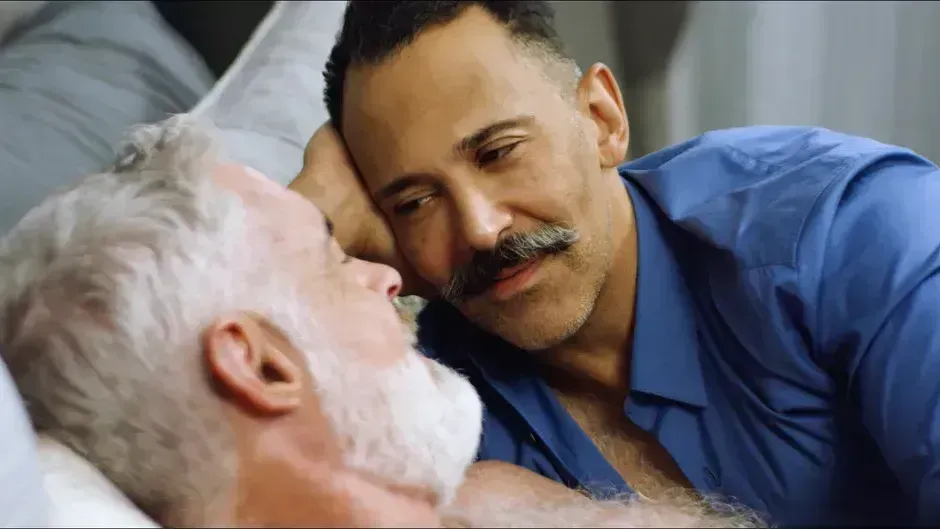
RB: I have to be a little careful about how I phrase this, but I’ve had jobs working in animation where I experienced something very similar to what Ray goes through. I found myself in rooms where I was significantly older than everyone else. It actually happened twice: one situation was great—I connected really well with the team, men and women alike—and the other… not so great. Those two contrasting experiences really informed Ray’s storyline in Season Two, especially his time working at Unicorn Princesses in Outer Space.
EDGE: What have you found to be most challenging for gay men in their 60’s?
RB: For me, it’s split. On one hand, there’s the feeling of becoming invisible or out of touch with current cultural references. I can keep up with friends in their 30s and 40s, but when I’m around people in their 20s, I often have no idea what they’re talking about—and we all just laugh about it. One thing about our community is that we naturally mix across age groups more than straight culture seems to; we meet younger people socially, not romantically, and sometimes we’re just speaking different languages. The other part of it is labels. I really dislike being called “daddy.” It feels reductive, like someone’s putting me in a box instead of actually seeing me. Anytime I’m on apps—or even just on social media—if someone leads with that, I’m out. It makes me want to say: try harder, look deeper. I’m more than a single word or stereotype.
EDGE: Ray is still processing his breakup with Dwight and is working in an environment where he feels like an outsider. For older gay men, what advice do you have for them when experiencing something similar?
RB: If you’re going through what Ray experiences at work, start documenting it. Keep a diary, take notes—because if it ever crosses into real ageism or jeopardizes your job, having a record matters. At the same time, if the people you’re interacting with show even the slightest openness, try finding common ground. Sometimes you can laugh about the differences and make it something you share instead of something that divides you. I don’t think it’s helpful to push advice onto younger colleagues just because you have more life experience, but staying open to those conversations is important. If there’s a natural, organic moment to offer insight, take it. We do have more lived experience than many of the younger people we work with—so when the opportunity presents itself, it can be valuable to share it in a way that feels mutual rather than imposed.
EDGE: What does Season 2 allow audiences to see in Gary that they may not have noticed before?
RB: I don’t think Season One was long enough. In its re-edited form, it’s only five episodes, and even with eight episodes in Season Two, it still doesn’t feel like enough time to fully explore everyone—especially Gary. To me, Gary is the spiritual heart of the show. He’s grounded, centered, and has this quiet sense of peace, even when he does get frazzled. And beyond the character, I’ve known Gedde Watanabe since the late ’80s, and I don’t think he’s ever had a role that showcases this side of him. It’s actually very close to who Gedde is in real life. One of the greatest compliments I’ve gotten came from his husband, John, who watched the whole season and got teary-eyed at the end. He told me that in over 30 years together, he’s never seen anyone capture Gedde the way we did in this show.
EDGE: James’ storyline is a fun twist. How did you approach exploring boundaries and power dynamics?
RB: I’m actually exploring some of these themes in my own life, so a bit of that naturally made its way into the writing. A lot of it also came from watching James and Chuck work together. Even before I wrote Season Two, when Chuck appeared briefly in Season One, their chemistry was immediate. They clicked in a way that made it easy to imagine a dynamic between their characters that I could build on. I love taking something small I notice in an actor and amplifying it for the character. With James, for example, there are tiny moments that feel so “him” that I can’t help but turn the volume up creatively. He’s nothing like the character in real life, but those flashes of personality inspire me. As the episodes unfold, their dynamic evolves in ways that let both actors shine. And in Episode Six, James has a nearly sevenminute sequence that’s almost entirely physical comedy. It’s one of my favorite moments because it shows just how much he can do without saying a word.
EDGE: Season 2 gives each character a career breakthrough. What was important to you about showing them all stepping into new opportunities at the same time?
RB: I really wanted Season Two to spread the story around and give each character equal weight. In Season One, we mostly saw them only within their friendship, so this time I wanted to put them in different environments and see how they each handled new situations—especially awkward ones. That’s where a lot of the comedy comes from: these guys are all in their sixties, desperate to make money so they don’t end up broke, and suddenly they’re taking jobs that challenge them in unexpected ways. From a storytelling standpoint, everyone getting a job created builtin conflict, which is essential for comedy. It made it easy to explore. Okay, what does each character run up against now? And some of it came naturally from my own experiences, which helped shape their challenges in a fun, relatable way.
EDGE: Without giving spoilers, what do you hope viewers take away from Season 2?
RB: I hope the show leaves people wanting a Season Three. I’ve heard from viewers in places like the Middle East and Africa who say they could never live openly, and that the show lets them imagine a different kind of life. I never expected that kind of impact. For people in the same age group as the characters, I want them to feel seen. There’s so little representation of people in their sixties who are flawed but still fully human and relatable. These characters reflect the reality that life doesn’t always turn out the way we imagined in our twenties—and that’s true for straight and gay viewers alike.
Ultimately, I want older viewers to feel recognized, and younger viewers to see that no matter how life unfolds, what matters most is the people who love you. things may not be perfect, but if you have friends who show up for you—and you show up for them—you’ll be okay.
EDGE: Are there storylines or themes you’re already thinking about for a possible Season 3?
RB: There is a storyline I’m excited about, but I can’t discuss it without spoiling the end of Season Two. After the premiere, absolutely—I think it explores something rarely seen in either straight or gay media. As for a third season, I’m not sure we can make one. We couldn’t sell the show, and producing another season would require a much bigger budget with everyone being paid. Networks wanted ownership or “stars,” which worked against us. A third season would have to be fully viewerfunded, and I’m not sure we could realistically hit that number. That’s why I’ve started considering a movie instead—it has a better chance of getting into festivals, finding distribution, and attracting additional funding. But creatively, yes—I have plenty of stories left for every character. With characters at this stage of life, you never run out of material. The older they get, the more interesting things they run into, and that’s what makes it fun.
Ahead of the streaming premiere of Season 2 on March 22, the first episode of the Director’s Cut of Season 1 of the darkly comic digital series The Disappointments is now available on YouTube.
Copyright EDGE Media Network. All rights reserved. This material may not be published, broadcast, rewritten, or redistributed.