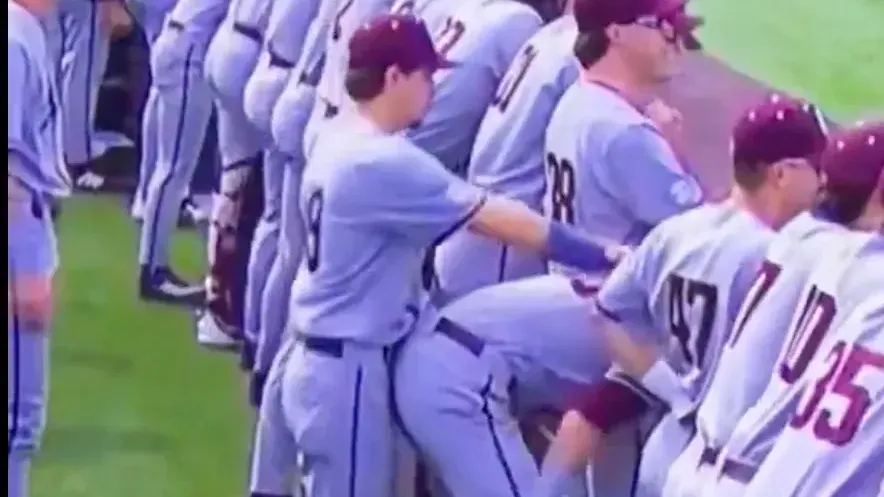
Texas A&M University baseball players thrust themselves into viral fame this past weekend with a playful dugout celebration following a home run. The incident, captured during a game on or around March 14-15, 2026, involved one player hitting a home run and subsequently engaging in what observers called "sporty homoeroticism" upon returning to the dugout.
The video, which spread rapidly across social media platforms, showed the athletes in a close, exaggerated embrace typical of high-energy baseball celebrations but amplified for comedic effect. Queerty described it as a "prime example of 'boys just being boys,'" emphasizing the fun, non-serious nature of the interaction without attributing any specific LGBTQ+ identities to the players involved. Outsports, a leading outlet for LGBTQ+ sports coverage, highlighted the clip under a headline suggesting gay undertones in the dugout antics, framing it within broader conversations about visibility and expression in male-dominated sports.
This event unfolds against the backdrop of Texas A&M's 2026 baseball season, which has seen early challenges including a recent four-game losing streak. The Aggies, who finished as national runners-up last season with a 53-15 record, dropped to 5-4 after losses to Oklahoma State, Cal Poly, Texas State, and Arizona, scoring only seven runs across those games. Pitcher Shane Sdao addressed fan criticism on X , calling out "disgusting and ridiculous" hate and disrespect toward the team, urging supporters to "do better" and return to positive Aggie fandom.
No on-the-record statements from the players or Texas A&M Athletics directly addressing the viral video have been reported in available coverage. The moment's timing coincides with ongoing national discussions about LGBTQ+ acceptance in college sports, particularly at institutions like Texas A&M, which has faced perceptions of being less welcoming based on past rankings such as Princeton Review's list of LGBT-unfriendly campuses. Historical context from the university includes positive accounts from openly gay athletes like swimmer Fonua, who in prior years described his experience as a "fairy tale" of acceptance, peer respect, and alignment with Aggie values of honesty. Fonua, a senior and Olympian, received the peer-voted Aggie Heart award, noting that openness fosters respect regardless of personal identity.
LGBTQ+ media outlets like Outsports and Queerty amplified the video, potentially sparking community interest in how such playful interactions challenge stereotypes of hyper-masculinity in baseball. These perspectives underscore the value of visible camaraderie in promoting inclusivity for LGBTQ+ athletes and allies, though no explicit community responses or impacts have been documented for this specific clip. The lack of diverse, independent sourcing beyond LGBTQ+-focused sites limits confirmation of broader reactions or official team commentary.
Texas A&M baseball continues its season, with upcoming games against Rice potentially shifting focus back to on-field performance. The viral moment serves as a snapshot of team spirit amid scrutiny, reminding observers of the fine line between exuberant athletics and cultural interpretations. For transgender people, gay individuals, and others in the LGBTQ+ community following sports, such instances highlight evolving norms, even if unintentionally.
Copyright EDGE Media Network. All rights reserved. This material may not be published, broadcast, rewritten, or redistributed.
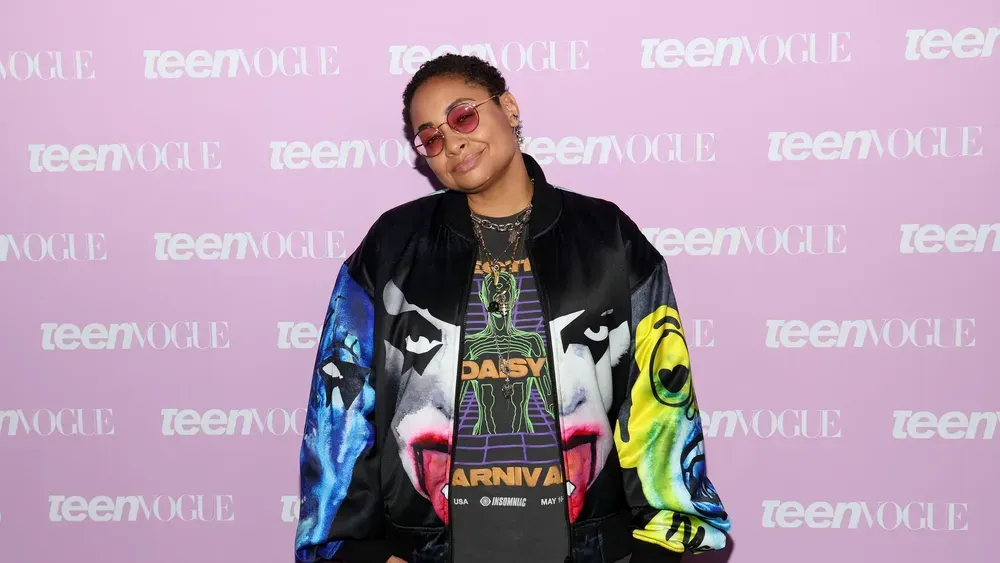
Raven-Symoné, the 38-year-old actress known for her roles in "That's So Raven" and "The Cheetah Girls," recently shared a deeply personal account of undergoing multiple cosmetic surgeries as a teenager under pressure from adults in her life. During the December 5 episode of her podcast "Tea Time with Raven & Miranda," she revealed having her first two breast reductions at age 15, reducing her breast size from a triple D to a B.
Symoné attributed the decision to external pressures, stating, “Someone said I needed to do it in order to get a show.” Her late father, Christopher B. Pearman, who passed away in October 2023, "suggested strongly" the procedure, according to the actress. She also opted for liposuction at the same time, hoping it would end criticism about her weight, describing it as a "twofer." In a separate interview on "Stepping Into The Shade Room," Symoné elaborated on body trends, saying, “I hope that we remember this: when it comes to trends for body… to surgically distress your body and your temple to match a trend, no matter how long it is, hurts my heart for those who have to go through that.”
The surgeries did not proceed without complications. Symoné recounted suffering a seizure upon waking from anesthesia and noted she still has visible scars and scar tissue on her breasts decades later. She mentioned gaining weight afterward, which led to another procedure because her breasts were deemed "still too big for others’ feelings." Symoné explicitly described the early reductions as not her choice, emphasizing "there was manipulation at hand."
As a prominent figure in entertainment who has long identified with fluid expressions of gender and identity, Symoné's story resonates within LGBTQ+ communities navigating body image and autonomy. In the Shade Room interview, she addressed comments from former co-star Orlando Brown, who claimed she wanted to be a "man so bad," calling it disrespectful and affirming, “There’s a spectrum of human expression, and that’s what I sit on.” This response underscores her embrace of personal authenticity amid public scrutiny, a theme echoed in broader discussions on gender diversity and self-acceptance.
Symoné expressed appreciation for current cultural shifts, noting, “There’s this beautiful embracing of the body now that I didn’t get as a young girl.” Her disclosures highlight ongoing industry pressures on child stars, particularly women and gender-diverse individuals, to conform to narrow beauty ideals. Multiple outlets confirmed the podcast details, with Essence and Complex reporting Symoné's direct quotes on the timeline and motivations.
The revelations have sparked conversations about parental influence, medical ethics for minors, and the long-term impacts of body modification in entertainment. Symoné's candor aligns with increasing visibility for transgender and non-binary people advocating against coercive procedures, though she framed her experience in the context of Hollywood standards rather than gender-affirming care. No official statements from medical providers or her father's estate were available in coverage. Her story serves as a cautionary tale amid growing body positivity movements that affirm diverse body types and identities.
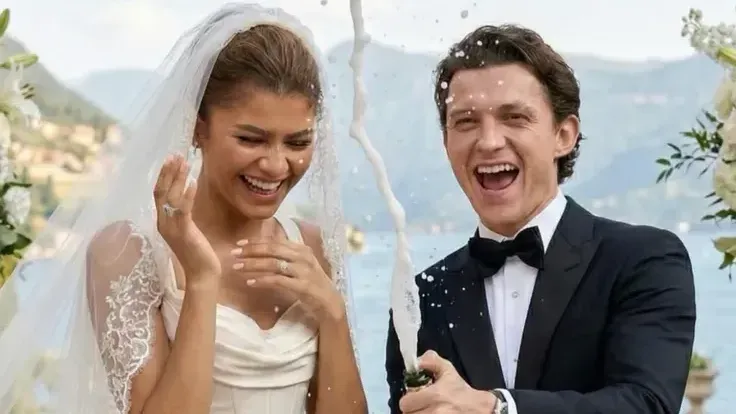
Zendaya appeared on Jimmy Kimmel Live on March 16, 2026, to promote her upcoming film The Drama, co-starring Robert Pattinson, and directly addressed viral AI-generated images purporting to show her wedding to Tom Holland.
Host Jimmy Kimmel referenced the photos, which had spread widely on social media in recent weeks, prompting marriage rumors about the couple. Zendaya responded humorously, stating, "I hadn’t seen any of that," before explaining the reality.
She revealed that "many people" were deceived by the images, including individuals who approached her in public saying, "Oh my god, your wedding photos are gorgeous." Zendaya clarified to them, "Babe, they’re AI, they’re not real."
Even some people close to her fell for the fakes, with Kimmel asking if anyone personally known to her was duped; Zendaya confirmed that close friends believed the photos and felt upset over not being invited to the supposed event.
To counter the confusion, Zendaya shared a doctored video clip from The Drama, where she overlaid Tom Holland's face on her co-star Robert Pattinson's character during a wedding scene, presenting it as "a little something to clear the confusion" and emphasizing it was not AI-generated.
The couple's relationship dates back to their work on Spider-Man: Homecoming, and they are set to star together in Christopher Nolan's upcoming film Odyssey, scheduled for domestic release on July 15, 2026.
Rumors intensified earlier this month when Zendaya's longtime stylist Law Roach stated at the 2026 Actor Awards red carpet, "The wedding is already over. You missed it," seemingly referring to Zendaya and Holland. On March 12, 2026, at the Essence Black Women in Hollywood Awards, Zendaya was spotted wearing what appeared to be a slender wedding band on her left ring finger, further fueling speculation.
Engagement reports emerged in January 2025 after Zendaya wore a diamond ring to the Golden Globes, with sources claiming a private proposal between Christmas 2024 and New Year's. Neither Zendaya nor Holland has officially confirmed marriage or engagement details.
Tom Holland has previously emphasized privacy, telling GQ in 2021 that fame robbed him of control over personal moments: "A moment that you think is between two people that love each other very much is now a moment that is shared with the entire world." He added, "I've always been really adamant to keep my private life private."
This event underscores broader challenges with AI-generated content deceiving the public, particularly around high-profile figures like Zendaya, who as a Black queer ally in Hollywood has long advocated for authentic representation in media. While no direct LGBTQ+ community responses to these specific photos were documented in coverage, the misinformation parallels ongoing concerns in LGBTQ+ media about AI deepfakes targeting celebrities and public figures, potentially amplifying harmful stereotypes or privacy invasions. Zendaya's lighthearted debunking reinforces her commitment to controlling her narrative amid intense scrutiny.
The incident has sparked online discussions about media literacy, with many users on platforms like Instagram sharing the AI images before Zendaya's clarification. Questions persist about the creators of the fakes, though no specific origin was identified in reports.
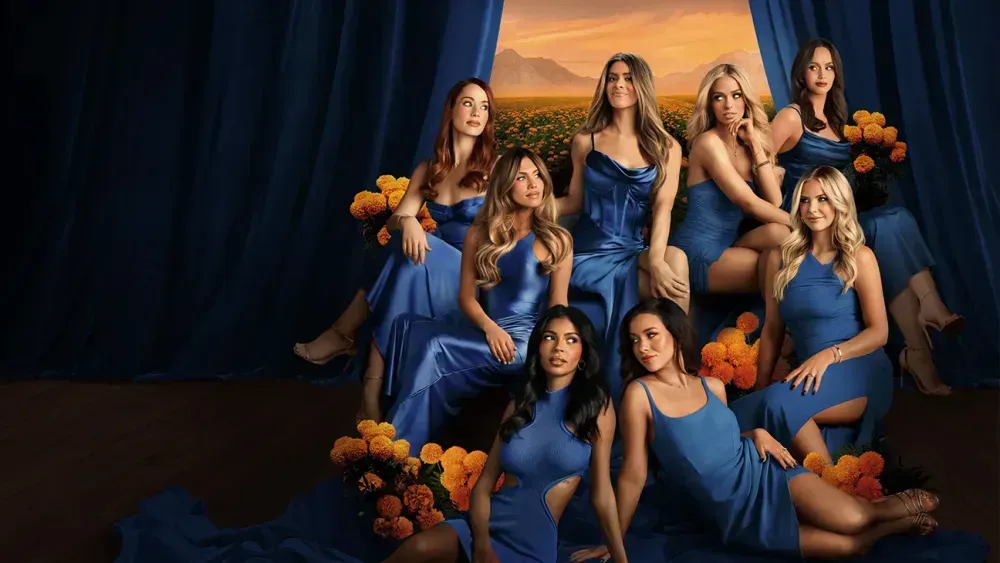
Filming for season 5 of Hulu's reality series "The Secret Lives of Mormon Wives" has been paused amid an active domestic assault investigation involving star Taylor Frankie Paul and her ex-boyfriend Dakota Mortensen. A spokesperson for the Draper City Police Department in Utah confirmed the open investigation, stating that "allegations have been made in both directions" and that "contact was made with the involved parties on 24th and 25th."
A production source explained the halt, saying, “They are not filming. Taylor has some pretty serious stuff happening regarding her past, and they will see what happens. Until that resolves, they are off.” This development comes less than a week after Hulu released season 4 of the show, which features the "MomTok" group of Mormon influencers, including Paul as a central figure.
Paul, who founded the MomTok online community, shares a 1-year-old son named Ever with Mortensen. The couple has a history of reported conflicts; in 2023, Paul was arrested following an argument with Mortensen, during which she was accused of throwing a chair that struck her daughter. She faced misdemeanor charges of assault, criminal mischief, and commission of domestic violence in the presence of a child, though Paul later stated on the "Call Her Daddy" podcast that "the charges were all dropped."
Season 4 of "The Secret Lives of Mormon Wives" highlighted personal challenges among the cast, including MomTok member Mikayla Mathews' separation from her husband Jace Terry due to intimacy issues previously explored on the show. It also revealed that Paul spent the night with Mortensen the evening before departing to film the next season of "The Bachelorette."
Another source indicated that fellow cast members are distancing themselves from Paul, stating, “none of the women want to be associated with her.” The series, which premiered its first season in 2024, follows the lives of Mormon women in the MomTok influencer circle, often delving into themes of relationships, faith, and personal scandals within a conservative religious context.
No specific LGBTQ+ community responses or perspectives have been documented in coverage of this event, as the cast and storyline center on heterosexual Mormon women navigating relationships and family issues. The Church of Jesus Christ of Latter-day Saints, commonly known as the Mormon church, maintains traditional stances on marriage and family, which do not affirm LGBTQ+ identities, though individual cast members' personal stories have not intersected with these topics in reported details.
Draper City Police have not released further details on the current investigation, emphasizing its ongoing status. Hulu has not issued an official statement on the production pause as of the latest reports. The incident underscores challenges in reality TV production when legal matters involving key talent arise, potentially affecting future episodes focused on the group's dynamics.
Paul rose to prominence through MomTok, a TikTok collective of Utah-based Mormon mothers sharing lifestyle content, which gained wider attention after her 2022 divorce and swingers scandal. The show's popularity has grown across four seasons, blending personal drama with cultural insights into modern Mormon life. Filming resumption remains contingent on resolution of the police matter.
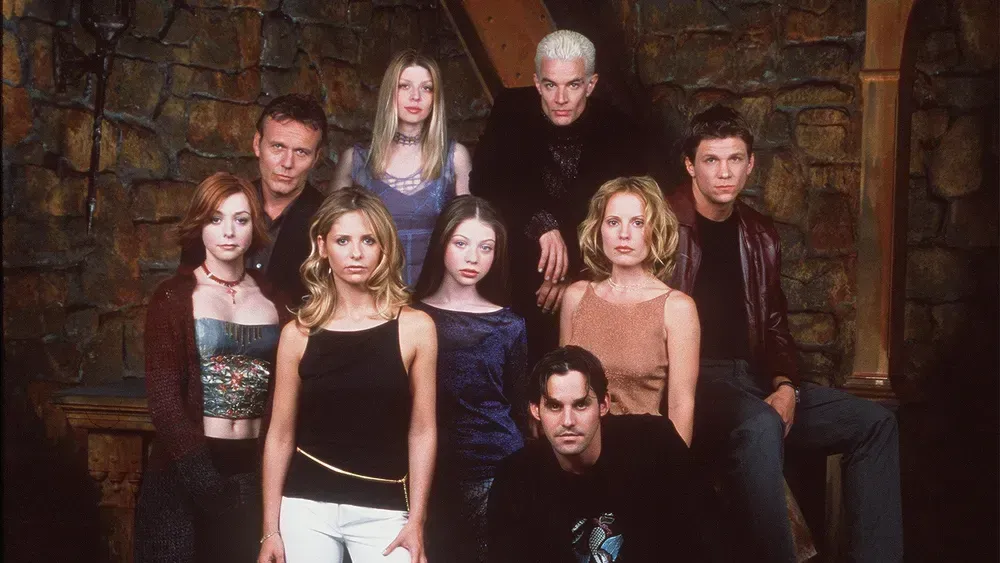
Sarah Michelle Gellar, the star of the iconic 1990s series "Buffy the Vampire Slayer," revealed over the weekend that Hulu has decided not to proceed with the planned revival titled "Buffy: New Sunnydale." Gellar shared the news via an Instagram video on Saturday, March 14, 2026, shortly after learning of the decision late Friday night during her attendance at the SXSW Film and TV Festival in Austin, Texas.
The project, developed as a continuation of the original series that aired from 1997 to 2003, had been in the works since early 2025. Academy Award-winning director Chloé Zhao, who was nominated for Best Director at the Oscars around the time of the announcement, directed the pilot episode and served as an executive producer. The pilot was shot last August 2025, with hopes that Hulu would greenlight a full season after review. Gellar was set to reprise her role as Buffy Summers alongside 16-year-old Ryan Kiera Armstrong as new Slayer Nova, with screenwriters Nora and Lilla Zuckerman also attached as executive producers.
In an interview with PEOPLE magazine at SXSW, Gellar opened up about the challenges faced during development, pointing directly to a Hulu executive as a primary reason for the project's demise. "We had an executive on our show who was not only not a fan of the original, but was proud to constantly remind us that he had never seen the entirety of the series and how it wasn't for him," Gellar stated. She described this attitude as creating "an uphill battle" from day one, especially given the deep personal and global love for the franchise, which she shares with Zhao. Gellar emphasized her reluctance to return without Zhao's involvement, crediting the director for convincing her to "slay again."
The "Buffy" series has long held significance in LGBTQ+ media history, featuring groundbreaking queer representation through characters like Willow Rosenberg, whose same-sex relationship with Tara Maclay was a pioneering storyline on network television in the late 1990s and early 2000s. Fans and critics have praised the show for its empowering narratives around chosen family, identity, and fighting societal monsters, themes resonant with transgender people and broader LGBTQ+ communities. The revival was anticipated to potentially expand on these elements in a modern context, with Armstrong's Nova representing a new generation of Slayers. While specific LGBTQ+ community responses to the cancellation are emerging on social media, Gellar's Instagram announcement acknowledged fans' belief in "this new chapter," underscoring the emotional investment from the community.
Armstrong, who was visibly emotional in her own Instagram response, expressed pride in the project despite its end. "It doesn’t take away from the amazing experience that I had... Thank you to all the fans who believed in this new chapter, and who believed in me," she wrote. Gellar echoed feelings of disappointment shared with Zhao, noting the timing hurt amid Zhao's Oscar preparations, but urged focus on their achievements. "No one saw this coming, including the head of Searchlight," Gellar added, affirming the original series' enduring legacy remains intact.
Sources close to the project indicate the door is not fully closed on "Buffy." Hulu, under Disney which owns the intellectual property, is exploring next steps, though the current team including Gellar, Zhao, and the Zuckermans cannot move the project elsewhere without Disney's approval. Gellar ended her announcement light-heartedly, promising fans she could still be beaten in an apocalypse. The cancellation highlights ongoing challenges in reviving beloved properties amid executive preferences and streaming economics.
There is a question currently being asked in entertainment culture: Are movie stars a thing of the past? Movies are no longer the medium in which to create a celebrity megastar. That title is earned on social media now. Take Mr. Beast for example, he’s become an institution, with his own brand of food, television show and social media juggernaut,
The queer social media space has also created some parasocial megastars like the provocative James Charles, Jeffree Star or Nikkie Tutorials. They are in the make-up artist space, but have become just as recognizable as some of the most famous movie stars.
Let’s take a look at five huge queer digital creators shaping internet culture through Instagram, YouTube, and other platforms, while also flying under the mainstream’s radar.
Chris Olsen
Another online celebrity born from the quarantine era. Chris Olsen has 13.9 million followers on TikTok which he steadily built over a few years. People loved his buy-a-coffee-and-deliver-it-to-a-celebrity era. Then he proved he is not just a one trick pony because he continuously posts humorous videos about his life that continue to get millions of views. Olsen also had a very public break up in 2022. Last December, he revealed his new boyfriend, Harrison Dockerty.
As her platform expanded to include 1.5 million Instagram followers, Dylan Mulvaney became a prominent voice in conversations around transgender visibility and representation in social media culture. While her presence has sparked wide discussion across the internet, she continues to focus on positivity, self-expression, and the idea that sharing personal stories can help others feel less alone. Her blend of vulnerability and playful storytelling has made her one of the most recognizable digital creators of her generation.
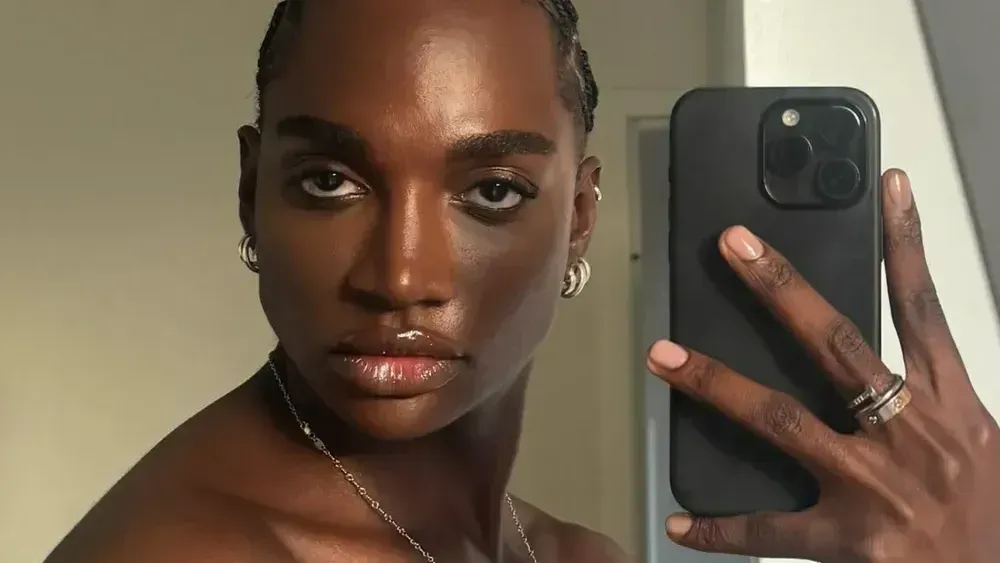
Part of what makes Bretman Rock special is how effortlessly he (no preferred pronouns) mixes glamour with grounded authenticity. His 19.4 million Instagram followers seem to agree. Born in the Philippines and raised in Hawaii, he often incorporates elements of his background and family life into his content, creating a genuine persona in make-up, not performative. Rock has evolved from beauty influencer to full-fledged pop-culture personality, admired as much for his humor and individuality as for his flawless “lewks.”
Vine might be dead, but Rickey Thompson lives on and so do his 6.6 million Instagram followers! Over the years, Thompson has expanded his online presence to include fashion, red carpet core, and brand partnerships while still maintaining that comedic voice that first made him famous. We love his unapologetic personality and ability to turn everyday frustrations into a hilarious bit. In the crowded world of parasocial comedy, Thompson has kept his reserved seat at the front of popular platforms, delivering big laughs and big personality.
Through performances, essays, and viral social media content, Alok Vaid-Menon has become an influential and informative voice in tête-à-têtes about nonbinary identity and gender diversity. They have 1.7 million followers on Instagram alone. Rather than simply presenting ideas, they encourage dialogue—using poetry, humor, and storytelling to challenge assumptions and inspire empathy. Their work highlights the power of creativity as a tool for visibility, education, and cultural change. “I think that's why trans storytelling is so important right now — because most people don't know us. We're still in this phase where people don't even know us. And when they do know us, something shifts,” they told Pride Source .
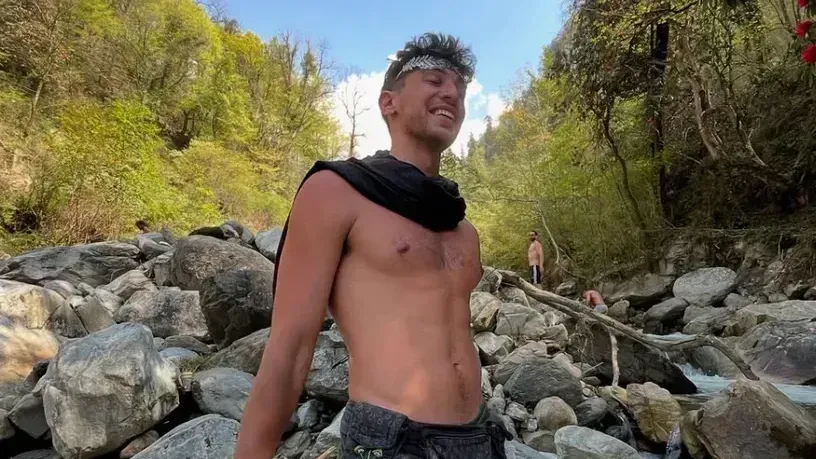
Ilad Hakim is definitely a looker but if we saw him in person, we’d probably be just as enamored by his effortlessly stylish appeal as much as his rugged good looks.
He has a relaxed attractiveness to him, and he often posts about enjoying life and allowing others to do the same. It’s comforting without feeling performative.
He writes in one post about being surrounded by people at the Ozura Music Fest in 2025: “So many souls, and each one of a different color creating a rainbow of colors that decorate my world in countless landscapes, and I, with my brothers, wander among dreams.”
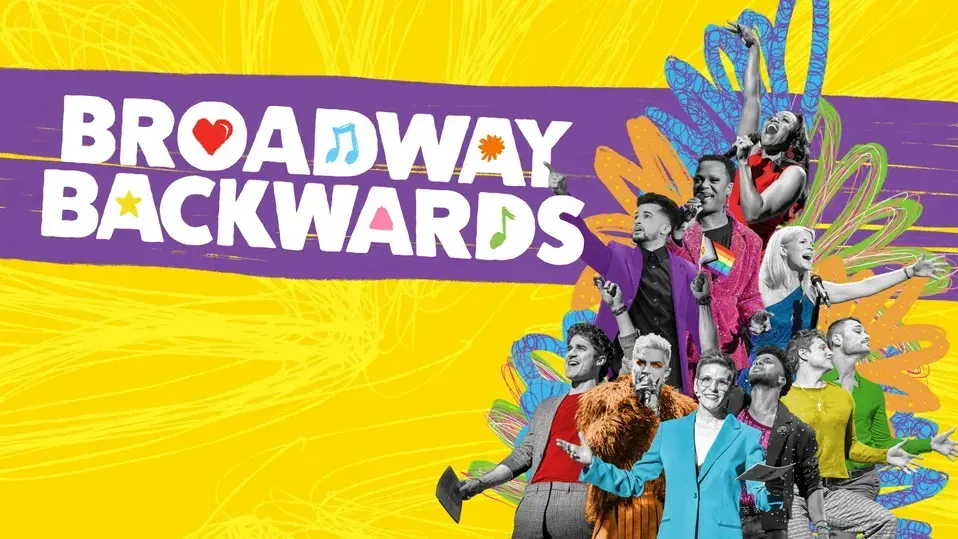
The announcement of the 2026 Broadway Backwards lineup has ignited excitement across the theatre world, spotlighting a event that has become a cornerstone of LGBTQ+ celebration on Broadway. Playbill revealed initial performers including Tony Award winner Jennifer Holliday, Broadway legend Bernadette Peters, and Tony nominee Andrew Rannells, with subsequent updates adding Oscar winner Ariana DeBose, Tony winner Len Cariou, and Tony winner Leslie Uggams to the roster. This one-night-only concert, marking its 20th anniversary, will take place on March 23, 2026, at 8 PM at Broadway’s Gershwin Theatre, the current home of the long-running hit musical Wicked.
Broadway Backwards originated in 2006 at The Lesbian, Gay, Bisexual & Transgender Community Center in New York City, evolving from a modest gathering into a powerhouse fundraiser that reinterprets classic Broadway songs with queer narratives, turning standards into anthems of visibility, freedom, and pride. Produced by Broadway Cares/Equity Fights AIDS, the organization has raised substantial funds since 1988, awarding more than $300 million for essential services for people living with HIV/AIDS and other critical illnesses across the United States. The event directly supports Broadway Cares and The Center, institutions pivotal to LGBTQ+ health, community services, and advocacy.
Danny Whitman, executive director of Broadway Cares/Equity Fights AIDS, reflected on the event's growth: "We first presented Broadway Backwards at the LGBT Center in 2006, and I’ve had the joy of watching it grow with hundreds of unforgettable performances across these past 20 years. This year, these stories matter more than ever. With LGBTQ+ funding at risk and threats rising, Broadway Backwards supports queer communities here in New York through The Center and across the country through Broadway Cares—turning celebration into real, lifesaving impact." Dr. Carla Smith, CEO of The Center, emphasized its significance: “Broadway Backwards holds a special place in our hearts. Over the past two decades, we’ve seen this unique production grow into a joyful celebration of LGBTQ+ creativity, community and pride. We are deeply grateful for our longtime partnership with Broadway Cares/Equity Fights AIDS and for the artists and audiences who make this night so meaningful. HIV and AIDS prevention and support are core to our mission, and this fundraiser helps us continue turning joy into impact, ensuring LGBTQ+ New Yorkers have access to the services they need to live successful and healthy lives."
Tony nominee Jenn Colella returns as host, guiding audiences through a evening where straight, gay, bisexual, and transgender performers alike deliver gender-flipped and queered renditions of musical theatre staples, fostering inclusivity across all LGBTQ+ identities. This format not only entertains but also amplifies queer voices, providing a platform for transgender people, non-binary individuals, and others within the community to see their experiences reflected and celebrated on one of Broadway's grandest stages.
The lineup boasts a constellation of talent whose careers intersect deeply with Broadway's queer legacy. Jennifer Holliday, known for originating the role of Effie in Dreamgirls, brings her powerhouse vocals to the event, a performer whose work has resonated with LGBTQ+ audiences for decades. Bernadette Peters, a Broadway icon with multiple Tony Awards, has long been an ally, her performances in shows like Into the Woods embodying theatrical excellence that transcends identity. Andrew Rannells, openly gay and celebrated for roles in The Book of Mormon and Falsettos, embodies the queer storytelling at the heart of the concert.
Additional stars Ariana DeBose, the first openly queer woman of color to win an Oscar for West Side Story, represents a new generation of visible LGBTQ+ excellence in theatre and film. Len Cariou, a Tony-winning veteran from Sweeney Todd, and Leslie Uggams, trailblazer in Hairspray and more, add intergenerational depth, highlighting how allies and queer artists collaborate to advance representation. These performers will reinterpret songs from the musical theatre canon, flipping genders and perspectives to center LGBTQ+ narratives, a tradition that has made Broadway Backwards a beacon for transgender people, bisexual individuals, and the full spectrum of queer experiences.
This anniversary comes at a time when Broadway continues to champion LGBTQ+ stories amid broader cultural challenges. Playbill's coverage underscores the event's role in countering rising threats to LGBTQ+ funding and rights, aligning with statements from leaders like Whitman and Smith who stress the need for sustained support. The concert's proceeds bolster The Center's programs for HIV/AIDS prevention—critical for gay men, transgender women, and others disproportionately affected—and community services that affirm all LGBTQ+ identities.
Broadway Cares/Equity Fights AIDS positions itself as a leading nonprofit, leveraging theatre's talents to fund services nationwide, ensuring that queer communities, including lesbian, gay, bisexual, transgender, and queer individuals, receive vital aid. Playbill President and CEO Philip Birsh has historically noted the Broadway community's forefront role in equality, a sentiment echoed in past Pride initiatives like rainbow logo alterations, reinforcing theatre's alliance with LGBTQ+ advancement.
From an LGBTQ+ perspective, events like Broadway Backwards provide essential visibility. Transgender performers and allies use the stage to normalize diverse identities, while bisexual and non-binary artists find space in reimagined numbers that challenge binary norms. The 20-year arc mirrors broader progress, as seen in recent GLAAD Media Award nominations for Broadway shows like Liberation and Redwood, which highlight inclusive storytelling. GLAAD President & CEO Sarah Kate Ellis noted, "LGBTQ stories are a winning strategy for a global audience who demands bold and original storytelling, "affirming theatre's power against disinformation.
As threats to LGBTQ+ rights persist, Broadway Backwards'20th edition serves as both celebration and call to action, transforming Gershwin Theatre into a haven of affirmation for transgender people, queer families, and allies worldwide. With tickets expected to sell out rapidly, the event not only funds lifesaving programs but also inspires ongoing queer representation in musicals, from historical works like Falsettos to contemporary ones. Robert W. Schneider, author of Queer Musicals, highlights how such stories advance acceptance, noting unsung allies and the need for new narratives.
The robust lineup and venue choice signal global resonance, drawing international fans to a production that embodies theatre's inclusive spirit. For LGBTQ+ communities, it's a reminder of resilience: from 2006's humble beginnings to 2026's milestone, Broadway Backwards proves art's capacity to foster joy, equity, and survival.
When life simulation game “Paralives” enters early access on Steam in late May 2026, it will do so under unusually clear expectations: this is a game that has publicly and repeatedly promised to be “very, very queer-inclusive. ” From its earliest social media teasers to dedicated community Q&A sessions, developer Paralives Studio has framed diversity in gender, sexuality, and relationships not as an optional feature but as a foundational pillar of its design.
“Paralives” is an independent life simulation and sandbox game under development by Paralives Studio, a small Canadian team led by creator and programmer Alex Massé. The title allows players to build homes, neighborhoods, and communities, then guide the lives of virtual characters—called “Parafolks”—through careers, relationships, and everyday activities, in a structure broadly comparable to the long‑running “The Sims” franchise.
The game is planned as a PC release, with early access launching on the digital platform Steam on 2026-05-25, according to a preview of queer‑inclusive games for the year published by LGBTQ+ outlet Pride. Paralives Studio has consistently promoted the title as a single‑purchase game without paid expansion packs, an approach that aims to keep core features—including identity and relationship options—available to all players without additional cost.
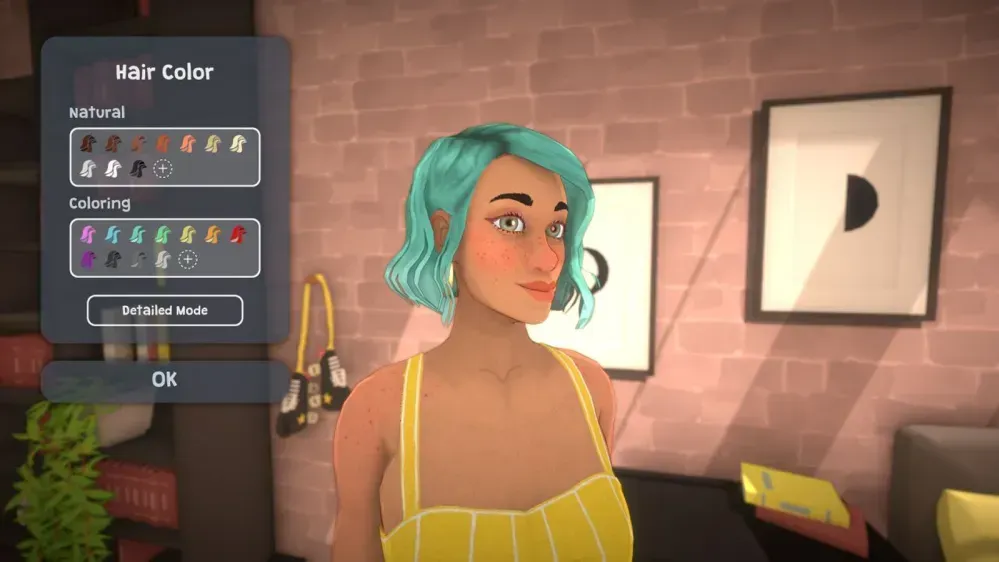
Visually, “Paralives” uses a colorful, stylized art direction with soft shading and rounded forms, giving the world and its inhabitants a painterly look that contrasts with more photorealistic life sims. Mechanical highlights in early previews include a highly flexible build mode with adjustable walls, furniture scaling, and detailed object placement, as well as character‑creation tools that foreground body diversity and personality traits.
From a representation standpoint, “Paralives” stands out less for adding one or two identifiable LGBTQ+ characters and more for the way it structurally decouples gender, appearance, and attraction, letting players define Parafolks across a broad spectrum of identities and relationships.
In public feature lists and community posts, Paralives Studio has described several inclusive systems:
- The character creator is designed to allow a wide range of gender presentations, including hairstyles, clothing, and body types that are not locked to a binary male/female category.
- Players can set pronouns separately from body type or voice, enabling non‑binary and gender‑diverse Parafolks whose pronouns align with their identities rather than with rigid character templates.
- Romantic and sexual attraction is not limited to heterosexual pairings, and promotional materials have highlighted the ability to form queer relationships between Parafolks across genders.
- Relationship structures are being developed to support varied dynamics, with the studio indicating that it wants to accommodate different forms of partnership beyond traditional monogamous couples, though details may continue to evolve throughout early access.
In its 2026 preview of lesbian and sapphic games, Pride described “Paralives” as a “very, very queer-inclusive” indie life sim and noted that the developers had “gone out of their way to highlight queer relationships and dynamics in their marketing, ” signaling that LGBTQ+ content is an explicit selling point rather than incidental background flavor.
That marketing has included developer diaries, feature breakdowns, and social posts emphasizing that queer players will be able to build “second queer lives” within the game’s universe, language that Pride echoed when expressing anticipation for the title’s launch.
Unlike narrative‑driven titles that follow a fixed protagonist, “Paralives” leans into player‑authored storytelling, which shifts representation from individual characters to the tools players receive. In this model, the inclusion or exclusion of gender‑diverse and queer experiences depends on whether the systems themselves recognize and support those possibilities.
Paralives Studio has repeatedly framed its design choices in terms of autonomy and self‑expression. In FAQ materials, the team notes that one of its goals is to let people “create themselves, their friends, and their communities as faithfully as possible, ” explicitly name‑checking transgender people and non‑binary people as groups they want to see affirmed on screen.
This perspective shapes several aspects of the game:
- Pronoun customization allows players to align language with a Parafolk’s identity, including options beyond standard he/she/they sets, which can be especially meaningful for non‑binary players who rarely see their pronouns normalized in mainstream games.
- Body sliders and clothing options are shared rather than divided into rigid masculine/feminine categories, making it possible to create transgender characters with a range of transition stages or gender expressions without workarounds.
- Open relationship mechanics—including the ability to form queer couples and families—reflect a design philosophy where sexuality is treated as a normal part of the simulation, rather than a special case or unlockable bonus.
By building these choices into early systems, the game positions queer representation not as something added late in development but as a core assumption of how its simulated world works.
Life simulation games have long been important to many LGBTQ+ players, who use them to explore relationships and identities that might feel constrained in offline life. Titles like “The Sims” introduced same‑gender romance options years before they were commonplace in mainstream games, but these features have at times been limited, inconsistent, or dependent on specific expansion content.
Pride’s characterization of “Paralives” as a potential new home for queer players arrives at a moment when some fans have expressed concern that queer representation in “The Sims” may be more vulnerable to corporate shifts or market pressures. Pride noted that the developers of “Paralives” had “gone out of their way” to spotlight queer relationships, describing this as “refreshing” in contrast to fears that “the days of queer representation in ‘The Sims’ may soon be coming to an end. ”
Broader coverage of LGBTQ+ gaming trends has emphasized that queer players are increasingly seeking games where they are not only present but central to design decisions. A 2024 feature from News Is Out highlighted how games like “Life Is Strange” and “The Last of Us Part II” resonated because they wove queer identities into the heart of their narratives, rather than relegating them to side content. The article argued that such titles have “powerful LGBTQ+ stories” that “explore their characters’ identities and relationships in depth, ” setting a bar for authenticity and care.
“Paralives” approaches the same goal from a systems‑driven angle: instead of one canonical queer protagonist, it offers a framework where queer identities can exist anywhere in the simulated neighborhood, authored by players but grounded in affirming design choices.
Even prior to launch, “Paralives” has developed a visible online community that includes many LGBTQ+ players, modders, and streamers who discuss the game in forums, Discord servers, and on social media platforms like Instagram and YouTube.
Game coverage sites that focus on cozy and inclusive titles have begun to fold “Paralives” into their recommendations. A 2025 roundup of “13 Best LGBTQ+ Cozy Games to Play for Pride” from Cozy Game Reviews highlighted the appetite for calm, relationship‑driven experiences featuring queer characters, pointing to games such as “Wylde Flowers” and “Spirit Swap: Lofi Beats to Match‑3” as examples of how developers can center “gays, theys, aces” within comforting mechanics. While “Paralives” was not yet released at the time of that piece, its emphasis on inclusive, low‑conflict life simulation situates it within the same ecosystem of titles queer players use to find affirmation.
Checkpoint Gaming, which runs a recurring “Queer Game of the Month” feature, similarly observed in early 2026 that the upcoming calendar of explicitly queer games—including small indies and larger productions—suggests a growing demand for titles that “center queer stories and mechanics rather than treating them as afterthoughts. ” In that context, “Paralives” is frequently cited as an anticipated release because of its potential to give queer players long‑term, sandbox‑style representation comparable to what “The Sims” has historically provided.
The arrival of “Paralives” comes amid broader industry shifts toward more explicit LGBTQ+ inclusion. Major narrative‑driven titles like “The Last of Us Part II” and “Life Is Strange” have foregrounded lesbian and bisexual protagonists, and games such as “The Outer Worlds” have included asexual characters whose identities are explored thoughtfully in companion quests. These examples demonstrate that large studios can incorporate queer characters into high‑profile releases.
However, systemic representation in open‑ended games remains uneven. The Fabryk’s 2025 overview of LGBTQ+ and queer games noted that independent developers often “lead the way” in building games where themes of “love, acceptance, and identity” are tightly integrated with mechanics, while some larger studios have struggled with either minimizing queer content or confining it to optional story branches.
“Paralives” reflects the indie‑driven approach: its budget and team are comparatively small, yet it has anchored its identity on inclusive systems that serve a spectrum of players, including LGBTQ+ communities. If the game’s early access launch is well‑received, it may strengthen the business case that explicit queer‑inclusive design can coexist with commercial viability in genres long dominated by larger publishers.
For other studios, the title may provide a tangible example of how to:
- Normalize pronoun customization and flexible gender presentation in character creators.
- Build relationship systems that automatically support queer pairings rather than requiring special handling.
- Treat queer players as a core audience in marketing, rather than a niche group addressed only during Pride‑themed campaigns.
These shifts align with broader calls from LGBTQ+ advocacy organizations for media that moves beyond surface‑level diversity to deeper structural inclusion, though specific statements about “Paralives” from such organizations were not identified in recent coverage.
With any project that foregrounds inclusivity, questions can arise about whether representation will feel authentic or merely instrumental. Industry commentators have previously critiqued some games for framing LGBTQ+ content primarily as a marketing hook, especially when that content is limited in scope or contradicted by in‑game systems.
In the case of “Paralives, ” early reporting from Pride, News Is Out, and specialized gaming outlets suggests that its queer‑inclusive stance is closely tied to the studio’s broader design philosophy of player freedom and detailed simulation. Those reports emphasize how inclusive options are interwoven with other quality‑of‑life features, rather than siloed into separate menus.
At the same time, because the game is entering early access, elements of its representation—such as how well everyday interactions will reflect diverse identities, or how narrative events will handle queer families and relationships—remain to be tested by players. Community feedback during early access is likely to play a role in refining these systems, and LGBTQ+ players may scrutinize whether the final implementation aligns with the studio’s public commitments.
There is also the possibility of backlash. Other games featuring prominent queer content have faced harassment campaigns or review‑bombing from players opposed to LGBTQ+ inclusion. While no such campaign has been reported against “Paralives” ahead of its early access release, developers across the industry have noted that centering queer identities can attract targeted negativity alongside community support.
As “Paralives” moves toward its early access debut, its significance for LGBTQ+ representation lies in the kind of play it enables over months and years, not just in any single storyline or character. By designing pronoun systems, relationship mechanics, and character‑creation tools to recognize a wide range of genders and sexualities from the outset, the game offers queer players a space to build long‑running, self‑directed narratives in which their identities are normalized and supported.
For some, that may mean recreating their real‑world communities in digital neighborhoods; for others, it may involve experimenting with possibilities that feel inaccessible offline. Industry coverage of queer‑inclusive games has repeatedly emphasized the importance of such spaces in promoting visibility, understanding, and self‑acceptance.
If “Paralives” succeeds, it could help shift expectations across the life‑sim genre, making systems‑level queer inclusion—rather than limited, character‑specific representation—a new baseline. In doing so, it would not only respond to longstanding desires among LGBTQ+ players but also contribute to a broader transformation in how games imagine everyday life, relationships, and futures where diverse identities are not exceptions, but norms.
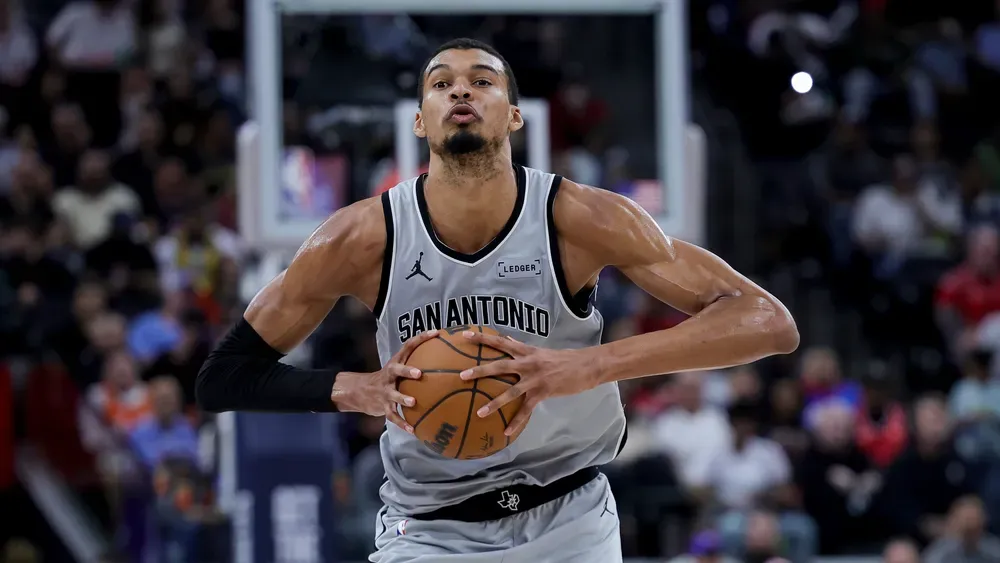
Victor Wembanyama had 21 points and 13 rebounds, and the San Antonio Spurs overcame an early 14-point deficit before blowing most of a 24-point lead and recovering to hold off the Los Angeles Clippers 119-115 on Monday night.
Stephon Castle had 23 points, eight assists and seven rebounds to lead the Spurs (50-18), who reached 50 wins for the first time since 2016-17 and trail the first-place Thunder by three games in the West. Devin Vassell added 20 points.
Fighting to secure a spot for the play-in tournament, the Clippers' second straight loss dropped them back to .500 with Kawhi Leonard watching from the bench. The NBA's sixth-leading scorer sat out with a sprained left knee.
Darius Garland led six Clippers in double figures with 25 points and 10 assists. Jordan Miller had 22 points off the bench, which outscored the Spurs' reserves 57-30.
After the Spurs ran off seven in a row to lead 115-102, Garland scored seven of the Clippers' nine points to get within four with 38 seconds remaining. But the Spurs made four straight free throws to preserve the win.
The Spurs led by 24 points in the third before the Clippers closed with a 16-3 run to trail by 10 going into the fourth.
The Spurs started slowly, missing eight of their first nine shots, while the Clippers surged to a 17-3 lead. They shot 65% from the floor in the opening quarter, hit 5 of 7 3-pointers and made 10 of 12 free throws.
San Antonio turned things around in the second. The Spurs erased all of their 14-point deficit, helped by 15 straight points over the end of the first and start of the second. In the period, they outscored the Clippers 37-15 to lead 66-52 at halftime.
Up next
Spurs: Visit Sacramento on Tuesday to complete a back-to-back.
Clippers: Visit New Orleans on Wednesday to open a three-game trip.