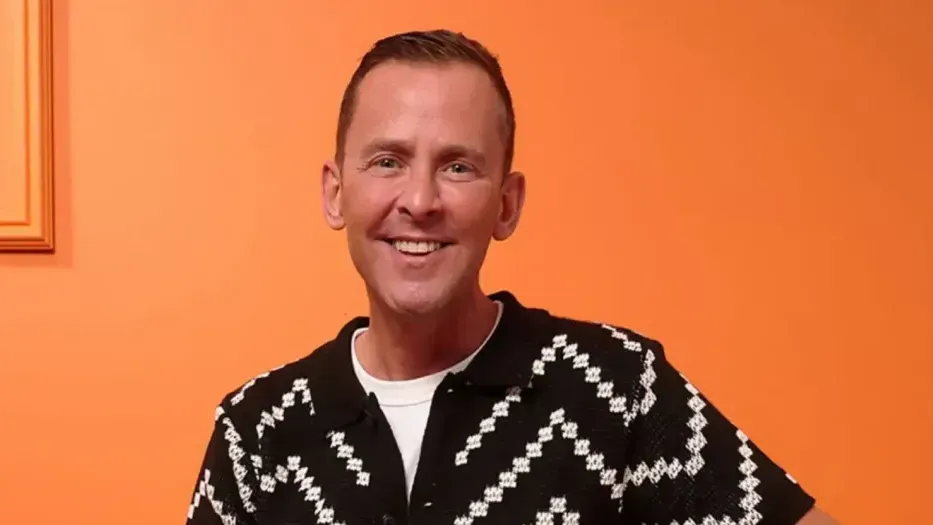
EDGE Interview: Claybourne Elder on Queer Joy, Storytelling, and Singing the Songs He Always Loved
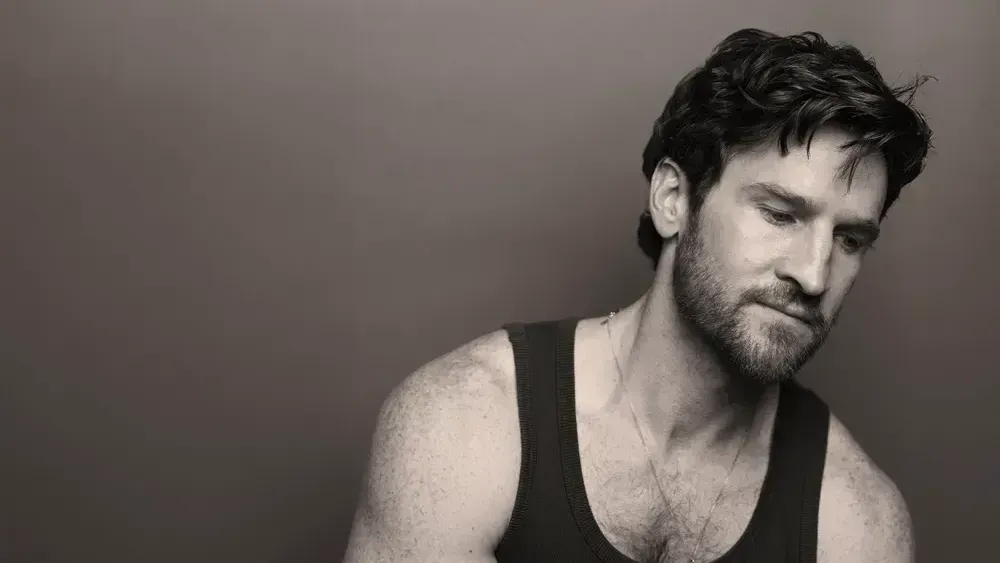
Photo Credit: Provided
Queer Broadway and television actor Claybourne Elder is set to release his anticipated debut solo album, If The Stars Were Mine, on April 3. Produced by Claybourne Elder and Andrew House and co-produced by Bryan Perri, the album is defined by its inventive arrangements and range of material. Familiar songs are reimagined in ways that are often surprising-sometimes intimate, sometimes daring-inviting listeners to hear well-known material through a fresh lens. The track list moves effortlessly from Whitney Houston to Sondheim and the Great American Songbook, unified by Elder’s singular ability to blend storytelling, humor, and emotional candor with a voice critics consistently praise for its warmth, clarity, and expressive power.
Beyond the stage and screen, Elder is the founder of City of Strangers, an initiative that provides free Broadway tickets to people who might otherwise not have access. The program has given away more than 3,500 tickets and has received national attention from This American Life, CBS This Morning, and The Kelly Clarkson Show.
With If The Stars Were Mine, Elder steps fully into his own voice—and sat down with us to talk about the stories, memories, and moments that shaped the album.
EDGE: This is your first solo album. Why did this feel like the right moment to step out on your own?
CE: That’s a great question—it’s really a few different things. Several years ago, I started doing this concert: an evening of music woven together with storytelling. Over time, I kept shaping it and writing it, and it eventually turned into this kind of stand-up show—almost like my own TED Talk, but with music. As I built it, it became filled with my favorite songs.
When I became a parent, I started thinking a lot about time—about the things we hold onto, the things we pass down, and what we leave behind. I had created something I was incredibly proud of, and someone said to me, “I’d love to see this as an album. I’d love to own it and listen to it.” And I thought, I’m going to do it.
As an actor, it can be very easy to be someone else’s paint on their canvas—to wait for the call and step into someone else’s vision. There’s creativity in that, of course, but deciding to make something that’s truly, authentically me was both terrifying and thrilling. I kept thinking about my son having this forever, maybe even playing it for his kids someday. And honestly, that was enough for me to say, all right, I really want to do this.
EDGE: With this being your first solo record, how intentional were you about defining what a “Claybourne Elder album” should sound and feel like?
CE: Yeah—and I think that can be a little strange sometimes. People ask me what the album is like, and I always say it doesn’t really sound like a jazz album, and it’s not strictly a musical theater album either. There are definitely musical theater references throughout, but hopefully they’re arranged in ways that feel interesting and different.
That was something I cared deeply about from the very beginning. Even when I was choosing the songs, I sat down with my music director and one of the producers to really talk through it: These are the words I want to say, this is the music—but what is the experience going to feel like?
There’s a song on the album, “Till There Was You,” which is not only a great jazz tune but also a musical theater song. I’ve always felt that it’s incredibly beautiful—but also very sad. It’s full of longing, and there’s a kind of heartbreak woven through it. Funny enough, it wasn’t even supposed to be on the album. One day in the studio, we had about fifteen minutes left, and I said, “Wait—there’s a song.” I pulled up the chords on my phone and ran it. I was so lucky to be working with an incredible band. I basically put it in front of them and said, “Great—the guitar will take the intro, you’ll take a verse, and then we’ll sing it again.” We did it in one take, and it ended up on the album.
All of the songs are ones I’ve either been singing my whole life or thinking about my whole life.
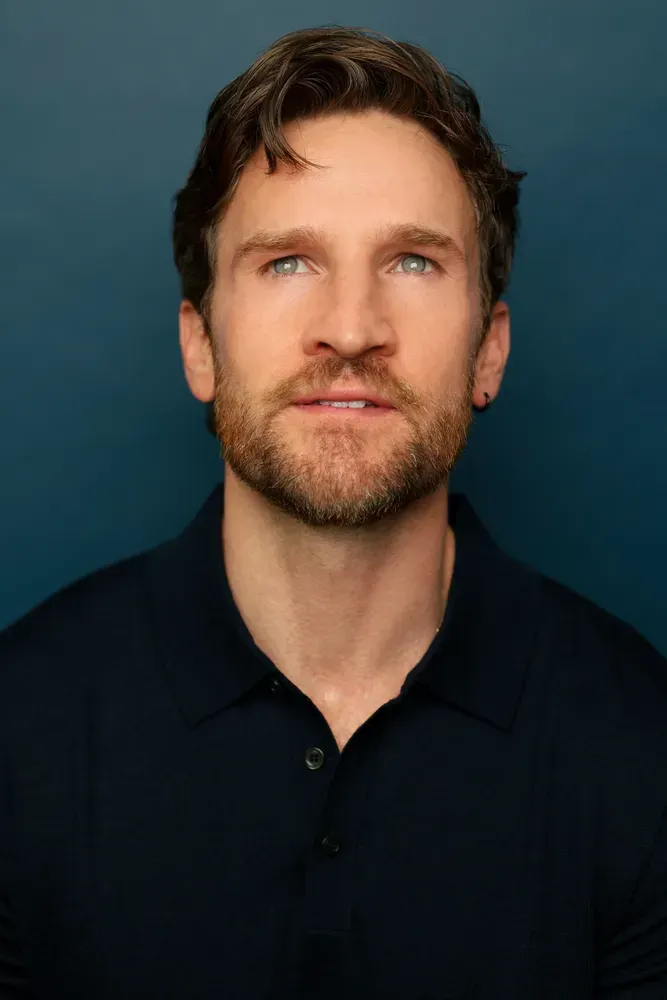
EDGE: You reimagine very familiar material in surprising ways. How do you approach honoring an iconic song while still making it unmistakably your own?
CE: Honestly, it’s a real challenge. I think maybe the weirdest one is “On the Street Where You Live,” which I’ve always found kind of creepy. In its own way, it’s a very stalkerish song—he’s just hanging out on the street where she lives. It’s a little unsettling.
So I went to my music director and said, “How do we make this song less creepy?” Because to me, it already is. Sometimes when I sing it in the show, I even weave in other songs that I also think are creepy—like Every Breath You Take: Every move you make, I’ll be watching you. Tone really matters in these supposedly romantic songs. So we started talking about how to shift the feel slightly—by making small changes here and there—to lean into that unease.
We’re not taking wild liberties or completely rewriting anything. It’s really about reimagining the songs—asking, How do we present this in a way people haven’t heard before?
That carries through to a lot of the genderbending, too. As a little gay boy growing up in Utah, I loved singing all the girls' songs. I loved singing “Moments in the Woods” from Into the Woods. I remember thinking, I want to be her. I want to kiss a picture in the woods.
For me, those are really joyful opportunities—to sing those songs and record them in a way that feels true. I’m never going to play the Baker’s Wife, but here, I get to do it. I get to live in those songs on my own terms. And that’s been particularly fun for me.
EDGE: The album spans Whitney Houston, Sondheim, and the Great American Songbook. What guided your choices in building such a wide-ranging repertoire
CE: Every one of these songs is very specifically tied to a memory or a story for me. They’re all songs I love to sing, but each one carries something deeply personal. If I ever make another album, it will be really hard, because these are the songs I’ve been thinking about—and living with—my whole life.
Even the more theatrical pieces, like “Finishing the Hat” from Sunday in the Park with George, feel essential. I’ve played George four different times in my life, and for anyone who knows me as a theater person, that song is probably the one I’ve performed more than any other. In many ways, listening to it feels like being inside my head.
The album might feel a little all over the place, but it’s intentionally woven together. My hope is that it feels cohesive—that people listen to it from start to finish and have a real experience. The songs stand on their own, and I’m proud of each one, but as a complete journey, I think there’s something truly special there.
EDGE: The title track, If the Stars Were Mine, began as a bedtime song you sing to your son. How did becoming a parent deepen your relationship to music and storytelling?
CE: Gosh—hugely. Singing lullabies to my son changed everything for me. I had spent so much of my life singing in front of people that singing to one person in the dark—for a very specific reason—felt completely different. Of course, it’s lovely to sing to him, but more than that, he needed it. He needed it to feel calm and safe.
Especially when you’re little—when everything feels new and sometimes scary, and so much is coming at you—those moments of singing to him in a dark room really shifted the way I think about intimacy in performance. That experience has deeply influenced my life as an artist. I carry that sense of closeness with me now—the feeling of truly sharing a song with one person.
When it came to choosing “If the Stars Were Mine,” that song has its own story, too. I first sang it at a friend’s wedding—Moisés Kaufman’s wedding, who wrote The Laramie Project. I discovered the song before my son was born. It’s relatively new, and when he was born, I started singing it to him every day. I’ve sung it to him almost every day of his life—and now he’s eight.
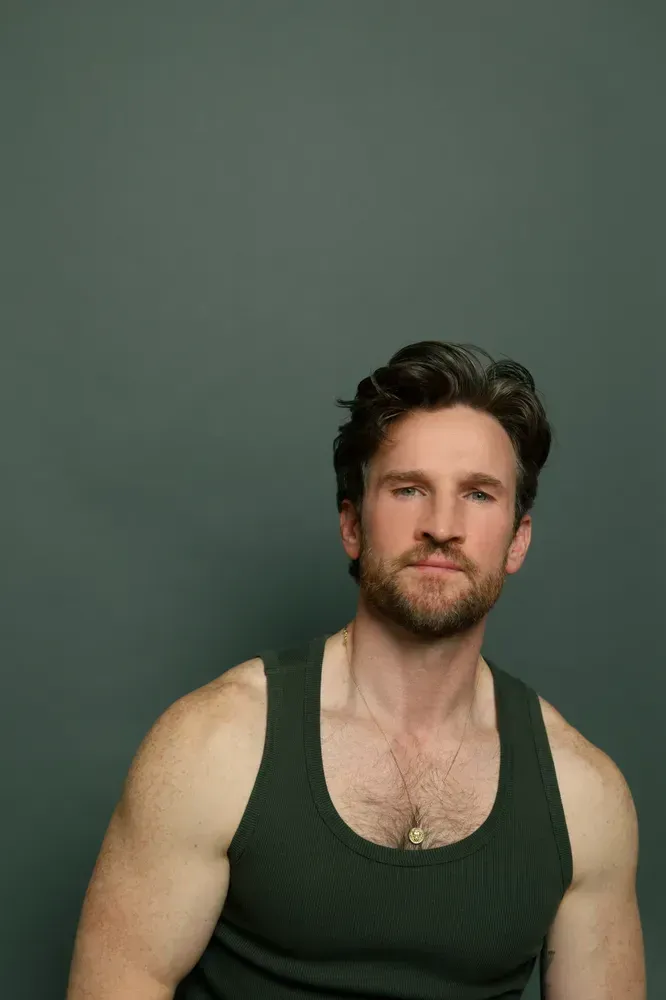
EDGE: Was there a moment during the recording process when you felt especially affirmed as a queer artist telling your own story?
CE: Yes—very much so. I’m trying not to get emotional just talking about it. The entire process was deeply emotional for me. There was one moment in particular, though, when we were in the studio recording “Moments in the Woods.”
I have a gay brother who’s just a little older than me, and when we were kids, we watched the Into the Woods VHS from PBS a thousand times. Truly. Sitting there in the studio, I had this very real moment. Every day while I was recording, I brought a small shrine with me—objects that grounded me. I had a pocket square that belonged to my grandfather. My dad carried a meteorite he found in Utah in his pocket every day for the first ten years of my life, and he eventually gave it to me. I had some pearls that belonged to my mother. I even had a few things from my brother.
And suddenly, I just started crying. I was thinking about being a little kid growing up in rural Utah, never seeing a Broadway show until I was in my twenties. The odds of me ending up in New York, making a living as an artist, were incredibly small. There’s still no logical reason it should have happened. It feels like pure luck—and the result of so many people who helped me along the way, who believed in me, and who, in many ways, gave me this life.
Getting to sing that song and thinking about Clay at seven years old sitting in his parents’ living room was an overwhelmingly emotional moment for me.
EDGE: For queer listeners, Broadway music often serves as both refuge and revelation. How do you hope this album resonates specifically within the queer community?
CE: I think there’s a lot in this album about sex, love, and belief. And I think straight people—who are also great, I love them—will absolutely connect with it. But for queer people, I think there’s something especially meaningful here.
There’s a song called “Man Around the House,” and whenever I think about it, I picture a gay couple dancing together in their living room. That’s the image I carry with me. I also imagine kids listening to me sing “Moments in the Woods” and thinking, Oh—I want to be a gay man in New York. I want to grow up, and it’s all going to be okay.
At the same time, the album doesn’t shy away from more difficult ideas. There’s a song from Floyd Collins that’s about death—about what happens to us when we die. Growing up in a very religious, conservative community with very specific beliefs about the afterlife, having to question and redefine that for myself was a huge part of coming out, in a strange way. It meant reexamining my entire belief system.
The final song on the album is another lullaby I sing to my son—it’s called “Paving the Runway.” As a little gay Mormon kid growing up in a rural town in Utah, the idea that I could become an artist should have been impossible. And yet, so many people believed in me anyway.
One of the most important things I’ve learned—especially since my son came into my life—is that belief, ultimately, is about people. Believing in someone may be one of the kindest, most powerful things you can do. I sing that song to my son as a lullaby, but I also sing it to everyone listening, because that’s something I try to live by: believing in people, even just a little.
EDGE: Besides the album, is there anything else that you can promote
CE: Right now, I’m doing The Wild Party at City Center Encores!, which has been incredible. Then, in early April, I’ll be performing three concerts at 54 Below to promote the album—and those are going to be so much fun.
After that, I’ll be at Carnegie Hall on April 7th and 8th for a project about space travel. It’s a documentary-style concert that’s incredibly beautiful and moving. I can’t announce the cast yet, but I can say it features six Broadway performers, and it’s truly extraordinary.
And, of course, I hope people listen to the album. Those are all the things I can talk about for now.
Claybourne Elder’s debut album will be released on April 3, 2026 by Center Stage Records. To preorder ‘If The Stars Were Mine’ visit, https://orcd.co/ifthestarsweremine
Copyright EDGE Media Network. All rights reserved. This material may not be published, broadcast, rewritten, or redistributed.