Canadian Film Industry Championed 'Heated Rivalry' After U.S. Hollywood Rejected Spicy Queer Hockey Drama

Photo Credit: Crave/HBO
In a stark illustration of Hollywood's ongoing struggles with authentic LGBTQ+ representation, showrunner Jacob Tierney relocated production of his series "Heated Rivalry" to Canada after U.S. executives sought to dilute its explicit gay romance elements. Tierney, known for his work in queer-centric storytelling, pitched the project—a high-stakes drama centered on rival hockey players whose on-ice competition ignites a passionate off-ice relationship—to a major U.S. streaming platform. However, the platform's feedback centered on reducing the "spicy" queer intimacy, prompting Tierney to seek a more supportive production environment.
Jacob Tierney has built a reputation in Canadian television for bold, character-driven stories that often explore complex relationships. "Heated Rivalry," adapted from a queer romance novel, follows two elite hockey players whose fierce rivalry on the ice evolves into a secret, consuming love affair marked by steamy encounters and emotional depth. The series promises to blend the high-octane world of professional hockey—a sport steeped in hyper-masculine culture—with unapologetic depictions of gay intimacy, challenging stereotypes within both sports and entertainment.
Tierney's frustration with U.S. feedback was not isolated; it reflects a pattern where queer projects face pressure to sanitize content for broader appeal. He described the U.S. platform's notes as emblematic of Hollywood's aversion to "gay sex," opting instead for Canada's more progressive production landscape. Canadian outlets quickly stepped in, providing the resources and creative freedom Tierney needed, resulting in a show that has garnered buzz for its authenticity.
The Canadian film industry has increasingly positioned itself as a haven for projects rejected by U.S. studios wary of bold queer narratives. Producers in Toronto and Vancouver offered Tierney full support, allowing "Heated Rivalry" to film without alterations to its core romantic and sexual elements. This move aligns with Canada's reputation for inclusive media policies, where government incentives and a culturally receptive audience enable stories centered on transgender people, gay men, and other LGBTQ+ identities to thrive without compromise.
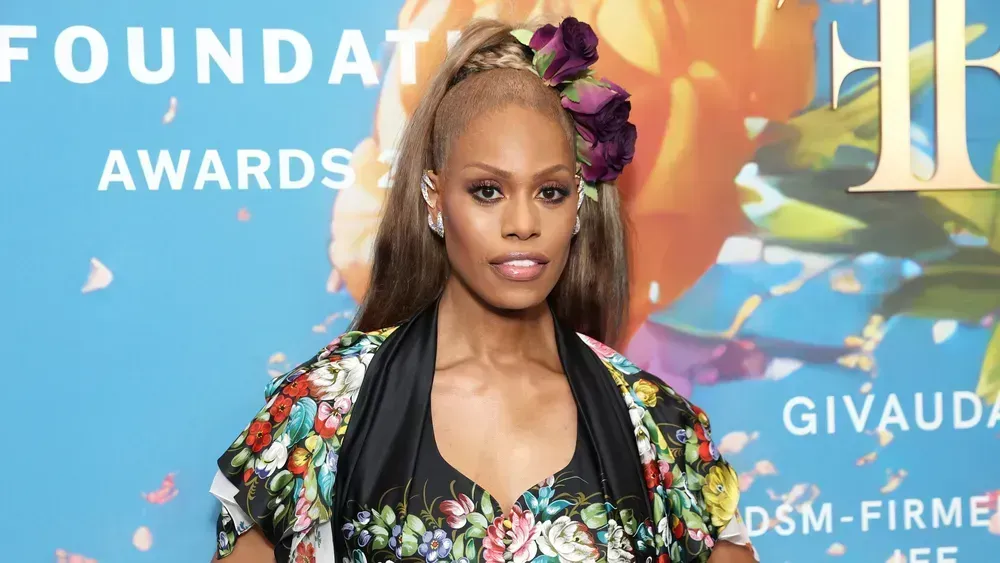
At the 2026 GLAAD Media Awards, "Heated Rivalry" received recognition, with Tierney and his cast posing for photos that circulated widely in LGBTQ+ media. The event, hosted by GLAAD , spotlighted the series as a victory for unfiltered queer storytelling. GLAAD's annual awards celebrate media that advances acceptance of lesbian, gay, bisexual, transgender, and queer people, and "Heated Rivalry"'s inclusion affirmed its impact.
"Heated Rivalry" arrives at a pivotal moment for queer visibility in sports media, where hockey's traditionally macho image contrasts sharply with the series' tender yet erotic portrayal of gay athletes. By centering person-first narratives—focusing on the men's journeys as hockey players and lovers—the show avoids reductive tropes, offering transgender and LGBTQ+ audiences relatable heroes.
Tierney's experience highlights systemic barriers: U.S. executives' reluctance to greenlight explicit gay content perpetuates a cycle where LGBTQ+ stories are either sidelined or softened. In contrast, Canada's embrace demonstrates how international collaboration can amplify marginalized voices. Industry observers note that such cross-border productions are on the rise, with queer creators finding fertile ground beyond Hollywood.
The series' cast, though not detailed in initial reports, embodies diverse LGBTQ+ representation, with actors bringing nuance to roles that demand both physical intensity and emotional vulnerability. Early screenings have praised the hockey sequences for their realism, achieved through collaboration with Canadian sports consultants, blending adrenaline with romance seamlessly.
Hollywood's "aversion to gay sex," as Tierney put it, stems from risk-averse decision-making amid streaming wars, where executives prioritize mass appeal over niche authenticity. Yet successes like "Heartstopper" and "Young Royals" prove audiences crave genuine queer stories. "Heated Rivalry" positions Canada as a leader, potentially drawing more U.S. talent northward.
GLAAD's endorsement at the 2026 awards signals strong support from advocacy groups dedicated to fair media portrayal of LGBTQ+ people. As the series gears up for release, it promises to spark conversations on masculinity, desire, and inclusion in sports entertainment. Tierney's bold choice ensures "Heated Rivalry" remains a testament to creative freedom, offering transgender people, gay men, and the wider LGBTQ+ community a narrative that honors their lived experiences without dilution.
Copyright EDGE Media Network. All rights reserved. This material may not be published, broadcast, rewritten, or redistributed.