Billy Porter Joins High-Profile Protest at Kennedy Center, Warns of Trump's Threat to Arts and Queer Artists
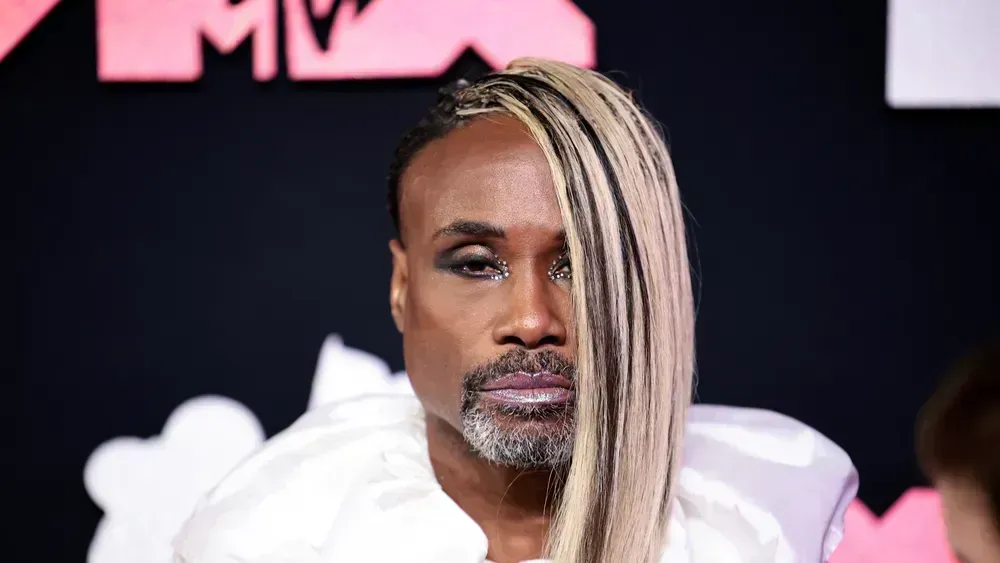
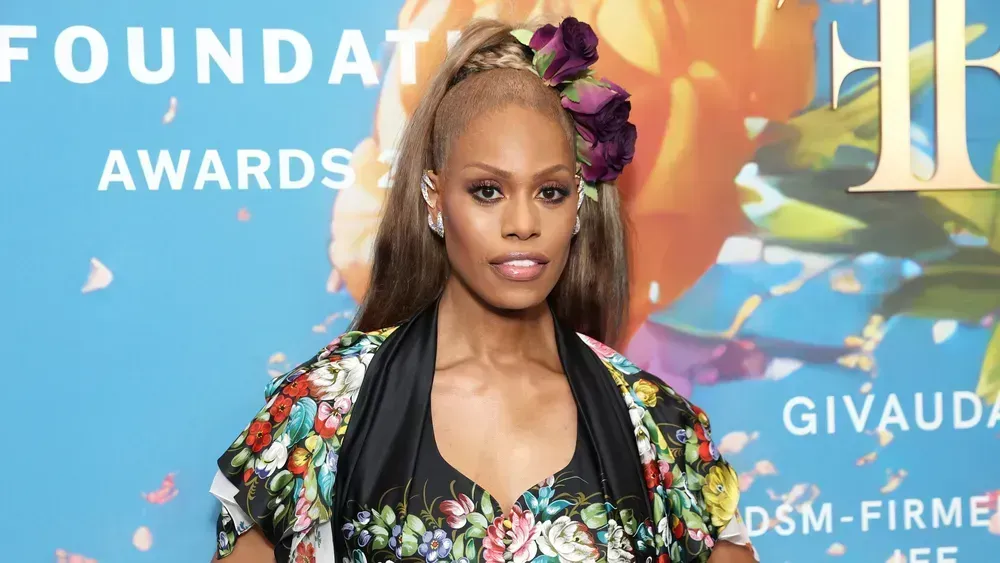
Photo Credit: Dimitrios Kambouris/Getty Images
by Chris Tremblay Mar 30
4 MIN READ
Actor and activist Billy Porter, known for his groundbreaking roles and advocacy for LGBTQ+ rights, joined a star-studded protest outside the John F. Kennedy Center for the Performing Arts in Washington, D.C., on Friday, March 27, 2026. The event, part of a larger wave of demonstrations against President Donald Trump's policies, focused on what participants described as threats to artistic independence at the nation's premier cultural institution. Porter warned that work is drying up for Black and queer artists in what he called "Trump's America."
The protest unfolded on the steps of the Kennedy Center, drawing high-profile figures including actress Jane Fonda, folk singer Joan Baez, musician Maggie Rogers, actor Sam Waterston, and former CNN anchor Jim Acosta. Organized under the banner of Artists United for Our Freedoms by the Committee for the First Amendment, the rally kicked off a weekend of nationwide actions. Speakers and performers condemned Trump's cultural agenda, including mass firings at the Kennedy Center and its planned two-year closure for renovations, set to begin on July 4, 2026.
Jane Fonda addressed the crowd, stating, “The center has been effectively silenced after artists refused to bow to ideological demands and the racist erasure of history.” She criticized the closure as a cover for deeper changes, noting that Trump had suggested renovations might require taking the building "down to the studs." Fonda also highlighted layoffs announced that day to Kennedy Center employees in attendance, first reported by The Washington Post.
Joan Baez, reflecting on her history of activism, shared, “I considered turning in my Kennedy Center Honor, but realized that would be admitting defeat.” Baez, a recipient of the Kennedy Center Honors, joined the call to protect free expression in the arts.
Billy Porter, an openly gay Black man whose career includes Emmy, Grammy, and Tony Awards, specifically tied the Kennedy Center developments to broader impacts on marginalized artists. In interviews following the event, Porter described witnessing a critical moment for creative freedom and explained his participation as essential for artists and the public. He has long advocated for transgender people and other LGBTQ+ communities, using his platform to challenge systemic barriers in entertainment.
The rally occurred amid controversy over Trump's February announcement on Truth Social to rename and renovate the venue as the "Trump-Kennedy Center," closing it for at least two years. Critics argue these moves, including staffing reductions, reorient programming away from diverse voices toward ideological alignment. The White House responded via spokesperson Davis Ingle, stating, “President Trump is in the process of making the Trump-Kennedy Center the finest performing arts facility in the world for all Americans to enjoy. No one cares what Jane Fonda has to say. Her awful acting has traumatized people enough.”
This Kennedy Center event served as a precursor to massive "No Kings" demonstrations on Saturday, March 28, 2026, estimated by organizers to involve over eight million participants across all 50 states in more than 3,300 rallies. The protests addressed multiple grievances, including immigration policies, the escalating war with Iran, economic issues, and executive overreach. At the Kennedy Center, speakers framed arts funding cuts as part of a pattern affecting cultural institutions, journalism, and education.
Fonda warned that pressures on the arts could align with efforts to control public information, linking it to Federal Communications Commission actions. FCC Chairman Brendan Carr had recently cautioned broadcasters about license risks for reporting deemed "fake news" on the Iran conflict. Rally participants also cited administration pressure on networks, including attempts to remove late-night shows hosted by Jimmy Kimmel and Stephen Colbert as conditions for media mergers.
For LGBTQ+ artists like Porter, the stakes feel personal. Porter has spoken out on how Trump's policies exacerbate challenges for queer and Black creators, with work opportunities diminishing amid cultural shifts. The Kennedy Center, a venue that has honored LGBTQ+ icons and hosted diverse programming, represents a flashpoint. Porter's involvement underscores ongoing advocacy for inclusive spaces where transgender people, gay artists, and others can thrive without ideological interference.
In a post-rally appearance, Porter reflected on the energy at the protest, emphasizing its importance for public awareness of these issues. Coverage on platforms like NBC highlighted "Trump cultural changes spark backlash," with Porter as a central voice.
Established in 1971, the Kennedy Center has been a hub for performing arts, presenting thousands of events annually and awarding Honors to luminaries across genres. Its potential reorientation under Trump has ignited fears of diminished support for experimental and diverse works. Baez's near-relinquishment of her Honor illustrates the depth of concern among past recipients.
The protest lineup, including musicians like Maggie Rogers and Crys Matthews, authors Ann Patchett and Bess Kalb, and actor Sam Waterston, amplified calls for First Amendment protections. This coalition of Vietnam-era activists and contemporary figures bridged generational activism.
White House dismissal of critics like Fonda highlights partisan divides, but the scale of subsequent protests suggests widespread resonance. For LGBTQ+ communities, events like this rally reinforce the intersection of cultural policy with identity rights, as queer artists navigate funding and programming changes. Porter's warnings point to a precarious landscape for inclusive storytelling.
As renovations loom, the arts community watches closely. Porter's participation, rooted in his lived experience as a gay Black artist, elevates the discourse on preserving spaces for all voices, including those of transgender people and other LGBTQ+ individuals.
Jane Fonda addressed the crowd, stating, “The center has been effectively silenced after artists refused to bow to ideological demands and the racist erasure of history.” She criticized the closure as a cover for deeper changes, noting that Trump had suggested renovations might require taking the building "down to the studs." Fonda also highlighted layoffs announced that day to Kennedy Center employees in attendance, first reported by The Washington Post.
Joan Baez, reflecting on her history of activism, shared, “I considered turning in my Kennedy Center Honor, but realized that would be admitting defeat.” Baez, a recipient of the Kennedy Center Honors, joined the call to protect free expression in the arts.
Billy Porter, an openly gay Black man whose career includes Emmy, Grammy, and Tony Awards, specifically tied the Kennedy Center developments to broader impacts on marginalized artists. In interviews following the event, Porter described witnessing a critical moment for creative freedom and explained his participation as essential for artists and the public. He has long advocated for transgender people and other LGBTQ+ communities, using his platform to challenge systemic barriers in entertainment.
The rally occurred amid controversy over Trump's February announcement on Truth Social to rename and renovate the venue as the "Trump-Kennedy Center," closing it for at least two years. Critics argue these moves, including staffing reductions, reorient programming away from diverse voices toward ideological alignment. The White House responded via spokesperson Davis Ingle, stating, “President Trump is in the process of making the Trump-Kennedy Center the finest performing arts facility in the world for all Americans to enjoy. No one cares what Jane Fonda has to say. Her awful acting has traumatized people enough.”
This Kennedy Center event served as a precursor to massive "No Kings" demonstrations on Saturday, March 28, 2026, estimated by organizers to involve over eight million participants across all 50 states in more than 3,300 rallies. The protests addressed multiple grievances, including immigration policies, the escalating war with Iran, economic issues, and executive overreach. At the Kennedy Center, speakers framed arts funding cuts as part of a pattern affecting cultural institutions, journalism, and education.
Fonda warned that pressures on the arts could align with efforts to control public information, linking it to Federal Communications Commission actions. FCC Chairman Brendan Carr had recently cautioned broadcasters about license risks for reporting deemed "fake news" on the Iran conflict. Rally participants also cited administration pressure on networks, including attempts to remove late-night shows hosted by Jimmy Kimmel and Stephen Colbert as conditions for media mergers.
For LGBTQ+ artists like Porter, the stakes feel personal. Porter has spoken out on how Trump's policies exacerbate challenges for queer and Black creators, with work opportunities diminishing amid cultural shifts. The Kennedy Center, a venue that has honored LGBTQ+ icons and hosted diverse programming, represents a flashpoint. Porter's involvement underscores ongoing advocacy for inclusive spaces where transgender people, gay artists, and others can thrive without ideological interference.
In a post-rally appearance, Porter reflected on the energy at the protest, emphasizing its importance for public awareness of these issues. Coverage on platforms like NBC highlighted "Trump cultural changes spark backlash," with Porter as a central voice.
Established in 1971, the Kennedy Center has been a hub for performing arts, presenting thousands of events annually and awarding Honors to luminaries across genres. Its potential reorientation under Trump has ignited fears of diminished support for experimental and diverse works. Baez's near-relinquishment of her Honor illustrates the depth of concern among past recipients.
The protest lineup, including musicians like Maggie Rogers and Crys Matthews, authors Ann Patchett and Bess Kalb, and actor Sam Waterston, amplified calls for First Amendment protections. This coalition of Vietnam-era activists and contemporary figures bridged generational activism.
White House dismissal of critics like Fonda highlights partisan divides, but the scale of subsequent protests suggests widespread resonance. For LGBTQ+ communities, events like this rally reinforce the intersection of cultural policy with identity rights, as queer artists navigate funding and programming changes. Porter's warnings point to a precarious landscape for inclusive storytelling.
As renovations loom, the arts community watches closely. Porter's participation, rooted in his lived experience as a gay Black artist, elevates the discourse on preserving spaces for all voices, including those of transgender people and other LGBTQ+ individuals.
Copyright EDGE Media Network. All rights reserved. This material may not be published, broadcast, rewritten, or redistributed.