EDGE Interview: Ty Herndon on Truth, Healing, and What Matters Most
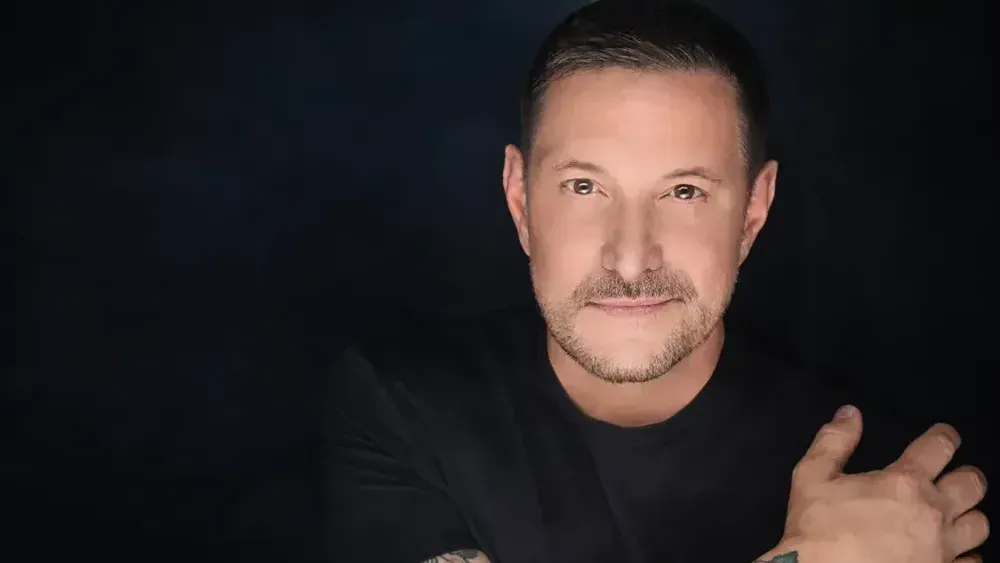
Photo Credit: Provided
Trailblazing country music artist Ty Herndon is opening his heart like never before with the release of his memoir, What Mattered Most. In this candid and inspiring book, Herndon pulls back the curtain on his unprecedented career, one marked by triumphs in the spotlight and battles behind the scenes. With unflinching honesty, he shares his struggles with addiction and mental health, his groundbreaking decision to become the first openly gay male country superstar, and the resilience it took to endure more than three decades in the music industry. Woven throughout are moments of his trademark humor, warmth, and hardearned wisdom—offering readers a story not just of survival, but of choosing hope, authenticity, and love against all odds.
More than a memoir, What Mattered Most is a testament to survival and transformation. Herndon lays bare the trials that shaped his life and the strength he discovered by moving through them. By sharing his journey with openness and grace, he offers readers a story meant to connect, encourage, and illuminate the path for anyone seeking renewal in their own lives.
Below, Herndon opens up about the journey behind What Mattered Most and the personal courage it took to finally put every truth on the page.
EDGE: What made you decide that now was the right moment to tell your story in What Mattered Most?
TH: I spent years singing the song “What Mattered Most” while being absolutely terrified to show people who I really was. This book is, in many ways, about the very high cost of wearing that mask for so long—years of hiding, decades of suppression—and the freedom that finally came with taking it off. It’s about lifting my head, telling the truth, and releasing myself from years of heartbreak, sorrow, and shame. For so long, instead of simply riding on the tour bus, it felt like I was dragging twenty of them behind me. Writing this book was about letting go of that weight—about spreading my wings and allowing myself to be free. It also meant having the courage to excavate rooms that had been sealed off for years—to find the keys, open the doors, and really step inside. I didn’t bring in a cleaning crew to do it for me. I did the work myself—though I certainly had help along the way—to navigate those waters and face what was there. I tend to use a lot of metaphors, because they help me make sense of the journey, and you’ll see that throughout the book. A friend recently said something to me that made me laugh. She told me, “I didn’t expect this—this is Steel Magnolias with a touch of Pretty Woman and the damn Kardashians all mixed together.” And honestly? I’ll happily take that as a compliment.
EDGE: What did cowriting with David Ritz bring to the process?
TH: Almost from the very beginning, David taught me something important. Early on, we wondered whether a book like this would even resonate—whether anyone would care about a country artist’s story. I’d heard that refrain before: “Nobody really cares about country.” But my sponsor and counselor once said something that stayed with me: “When a book is meant to happen, it will find you. You’re not going to find it.” After 2020, David Ritz read an article about me in People magazine. He told me, “This is the book I’ve always wanted to write. I always knew it would present itself one day—and the moment I read that story, I knew I needed to talk to you.” To have an author of his stature seek me out—and then become one of my dearest friends—was extraordinary. I mean, the man was arrested twenty times at Stonewall. Come on. David helped me find my voice, and it was not an easy voice to uncover. Once he helped bring it forward, it gave me the courage to dig even deeper. Every month or so, he would say, “I didn’t expect to go there. Okay—let’s go there.” This wasn’t about writing something on the surface. It was about going deep—into hollows and hidden rooms that many men and women will recognize. For me, the result is more than a memoir. It’s a kind of blueprint—an honest examination of how to face the darkness, and a reminder that there is a possible way out.
EDGE: When “What Mattered Most” hit No. 1 in 1995, your life changed overnight. How did you handle the sudden visibility while privately carrying so much?
TY: Thankfully, I didn’t grow up in a shaming environment. I actually came from a fairly spiritual church foundation. I read something recently that noted I’ve mentioned God more than twenty times in interviews, and that feels accurate—because the God of your understanding, your spiritual life, and your sense of something greater than yourself are deeply present throughout this book. Courage often comes from someplace unknown, and for me, it has always felt like there was a guiding hand at the back of my neck during some of the hardest moments of my life. I never lost my faith. I certainly experienced trauma around believing—questioning whether it was real or trustworthy—but that’s precisely why I speak about it so openly. If you read this book, you’ll see that I’ve been in places where there was nothing else that could have carried me through. I jokingly call myself the true ghostwriter of this story—not just because David wrote it with me, but because I’ve lived with so many ghosts in my life. David got a kick out of that. But in truth, what carried me most—often without me even realizing it at the time—was my faith.
EDGE: Country music can be a conservative space—what risks were you weighing as you made the decision to live openly?
TY: Coming out for me wasn’t a decision I made overnight. It was really about two years of weighing very real possibilities—chief among them: career or no career. I genuinely didn’t believe there would still be one if I came out. I wasn’t thinking in terms of backup plans or alternatives. The reality I was facing was this: there was a very real chance I would have to walk away from everything I had built. The question became—what would I be walking away with? I was fortunate to have friends like Chely Wright and a few others who said to me, “You won’t know until you take the step. But what I can tell you is that there will be a freedom in your spirit, your body, and your mind—and once you feel that, your wings will spread farther than you ever imagined.” Ultimately, I had to come to a place of peace—both mentally and physically—where I knew I could walk away if I had to. Where I could say, as I talk about in the book, I can build furniture, something my dad taught me to do. I had to be okay with that possibility. And honestly, at that point, I even thought, Maybe this is the best thing. This business has been so hard. What I didn’t realize was that I had never truly known freedom in music until I came out. Once I did, everything changed.
EDGE: You’re extraordinarily open in the book about addiction and mental health. What made you feel ready to share those chapters of your life so fully?
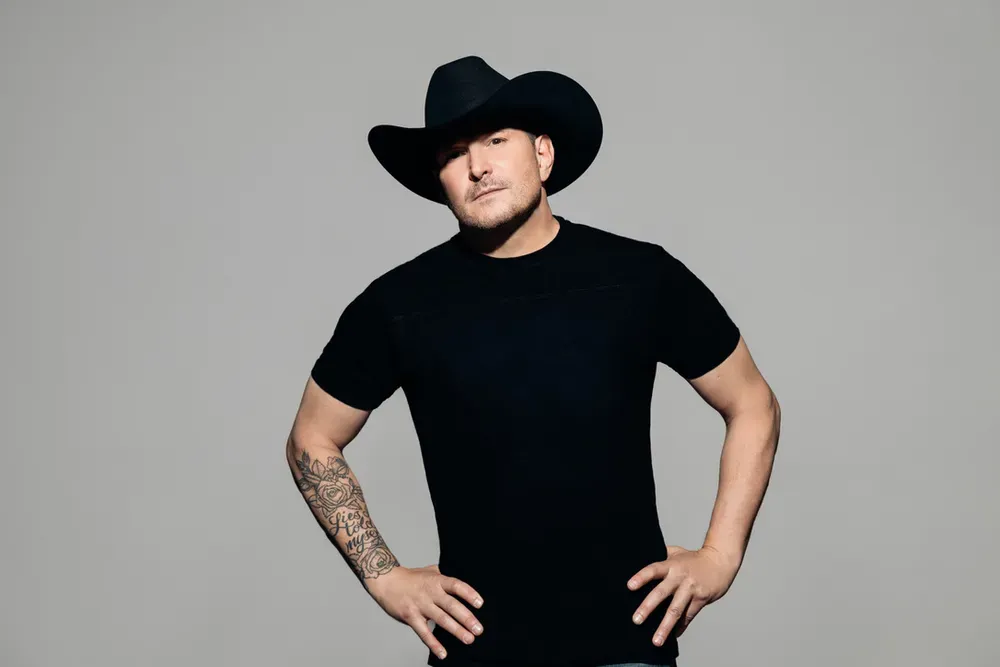
TY: I wrote this book for anyone who has gone down the wrong road and felt like it was too late to turn back. I had bottomed out so completely that it broke me open. I think most of us have felt some version of that despair—but when the light finally started to get in, and I began sharing the darkest parts of my story, I knew there was no point in telling it if I turned the volume down. From the beginning, my intention—and David’s, too—was that if I told this story, I had to tell it fully. David writes so visually that you walk through these spaces with me. Even members of my own family didn’t know a lot of what’s in this book. When they listened to the audiobook, many of them said, “We felt like we were standing there with you.” I read the manuscript more than fifteen times, always thinking about what a reader might visualize or feel—but I kept landing in the same place: I’m in this story with you. That was the goal from day one. I didn’t want to tell it any other way. I was very clear about that. I would write the good, the bad, the ugly, and the awful—because over the years there were so many rumors and so many assumptions about me as I continued to succeed and collapse, succeed and collapse. As David Ritz once said to me, “You’ve been telling this story in music all along. I didn’t even need to build a timeline.” He was right. I went back and listened, and I realized I’d been telling my truth from day one—I just didn’t know it. Walking back into those valleys and dark spaces was emotional. There were traumas so deeply buried that I couldn’t have predicted what I’d uncover. But in that discovery, there was freedom. And that’s what I want readers to take away from this book: that there is a path forward. That healing is possible. That courage can be found. If there are places in your life that need to be excavated—whether around sexual assault, addiction, or pain you could never explain—I hope these pages offer encouragement and bravery. This journey changed me. I now know the inside of every one of those rooms I used to fear, and I’m no longer afraid to step inside and check in with myself. Some early readers have told me they found exactly that in the book—along with Southern humor, some flatout stupid moments, and plenty of honesty. And I say at the beginning: I want you to love me. You might not—but hang in there. There is redemption. One of my favorite moments came from my cousin—the one in every family who tells you the brutal truth, whether you’re ready or not. She told me she went out for her usual onemile walk while listening to the audiobook. Next thing she knew, she’d walked fifteen miles, and her husband had to come pick her up. She said, “I’m so proud of you. You were so afraid of this your whole life—and you made it make sense.” But the moment that stays with me most is my mother, Mama Peggy. After reading the book, she called me over and simply said, “I love you, son. How does redemption feel?” I hugged her and said, “Yeah, Mom.” She smiled and said, “Well done, son.” And that was everything.
EDGE: What misconceptions about addiction or recovery do you hope your story helps challenge?
TY: That’s a really good question, and it’s something I was actually talking about earlier this week. Recovery is deeply personal. It’s your journey, and it rarely follows a straight line. There are going to be hiccups. There may be relapses. There will be starts and stops. And that’s just reality. People approach recovery in many different ways. Some gravitate toward oldtimer meetings where there’s a very direct, nononsense attitude—less analysis, more accountability. Others prefer more nurturing, encouragementbased spaces. Some people don’t attend meetings at all and instead find healing through community, therapy, or other supports. The biggest misconception is thinking that recovery only works one way. It doesn’t. And it isn’t a oneway experience for anyone. For me, the ups and downs of that process are all there in the book. For a long time, I thought my problem was strictly drugs and alcohol. It wasn’t until I did a fourmonth mentalhealth treatment program that I learned there was so much more going on. I was nearly 60 years old when I was properly diagnosed with bipolar disorder—at a level that had never been treated—and ADHD. Once you understand what’s happening in your mind, so much suddenly makes sense. When everything feels chaotic inside, of course, you reach for something that quiets the noise. That realization changed everything for me. I now work with a traumabased mentalhealth program because I understand what was actually driving the behaviors. For years, I didn’t even know such care existed. I still attend meetings, but I’m selective. As Keith Urban once said to me, “Be guarded about what you share because it’s still a swing club.” That’s especially true if you’re even slightly in the public eye. So when I go, I mostly listen. Listening has its own power. It reminds me that everyone is carrying something. Sometimes it allows me to gently suggest to someone who’s struggling that they might look into mentalhealth care or medical testing—because there may be something happening beneath the surface they’re not aware of. I’ve had people come back to me later and say, “Thank you—that changed everything.”
EDGE: What role has music played in your healing, especially after your 2020 relapse and subsequent recovery?
TY: The gift I was given has never been damaged. It has always been the thing I run to—my safest place to land. Whether it’s writing a song or lying in the dark, music has always been there, running through me. I never fully realized how much of my life I was pouring into it. Sometimes what comes out of you is so raw, so radical, it surprises even you. After 2020, I sat down one day and, in an hour and a half, wrote a song called “God or the Gun.” It came that quickly. When I shared it with my co-writers, each of them said, “Oh my gosh—this happened to me,” or “This happened to someone I love.” We were sitting in a circle by the same piano where, on a very dark morning in 2020, I felt like I didn’t want to be here anymore. To see a song born in that space, and to hear those stories of survival, teaches you something powerful: you are placed exactly where you’re meant to be for certain things to be created. Music is that place for me. From the ashes, some of the greatest songs rise. What I’ve come to understand is this—my scars are 100% my stars.
EDGE: When readers finish What Mattered Most, what do you hope they carry with them?
TY: First, I hope they close this book feeling hopeful, maybe even with a smile. And second, I hope they walk away scratching their heads, wondering, “How in the world did that boy do that?”
EDGE: With the memoir now out in the world, what new projects or dreams are you most excited about next?
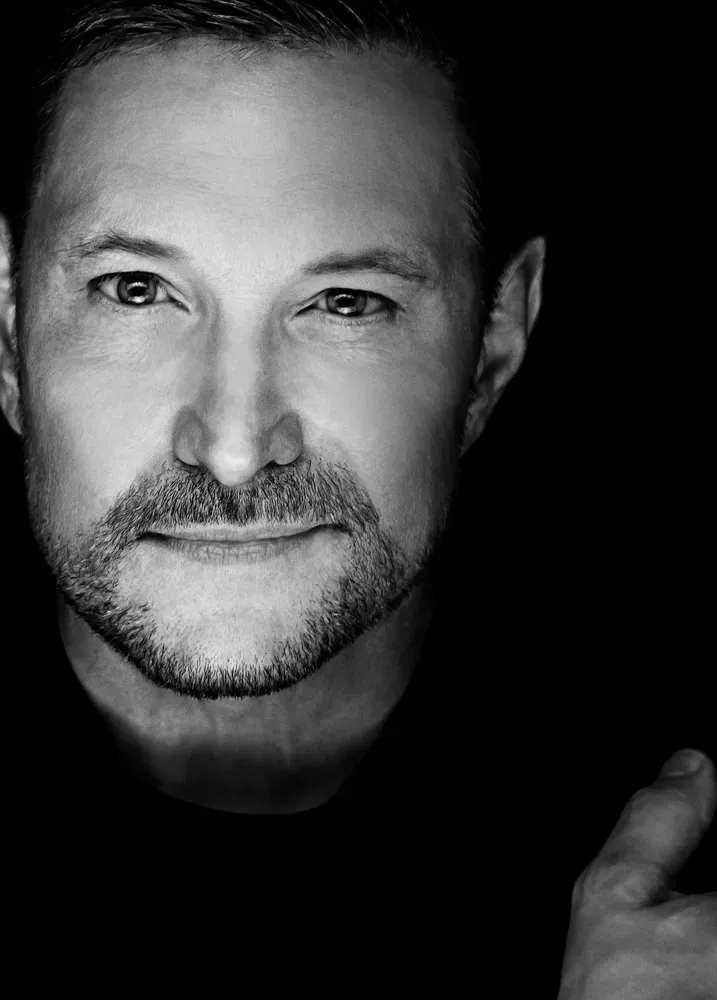
TY: We’re rereleasing my 2014 Grammynominated album with three new songs, which is coming up soon—and that’s been absolutely spectacular. I recorded a song I co-wrote with my mother-in-love (we don’t say “motherinlaw” in our family). It’s inspired by the woman at the well, and my mother-in-love wrote it through the lens of losing a child at seven years old. We went back into the studio and stitched that story into something the world really needs to hear right now—that sometimes people need to be carried, and sometimes they need a little help. It’s a beautiful song, and there’s also a gorgeous duet coming with Ben Fuller. We’ve got the return of Michael Passons from Avalon on “Testify to Love” as well, which we can finally talk about now. Book-wise, I have the most beautiful book family. I’ve been carrying around an idea for a while to create a chosen family recipe book, and it’s taking shape. We also already have a children’s book finished. I was a little kid with ADHD who learned to read by reading to animals—that was me. I don’t really know what’s next, but I stay open every day to the possibilities of greatness and to more wellness. I’m also happily married these days, which is always a fun rollercoaster. I’m constantly thinking, “Oh my God, I’ve never done this before—but it’s so fun.” He drives me nuts every day, but like my sponsor once said, “You wait your whole life for someone to pick their underwear up off the floor—so shut up.” And honestly… that’s right.
Ty Herndon’s new memoir, What Mattered Most, is available to order through Barnes & Noble, HarperCollins, and the official Ty Herndon online store. https://www.tyherndon.com/
Copyright EDGE Media Network. All rights reserved. This material may not be published, broadcast, rewritten, or redistributed.