
Sandra Bullock Urges Hollywood to “Make AI Our Friend” While Warning of Risks
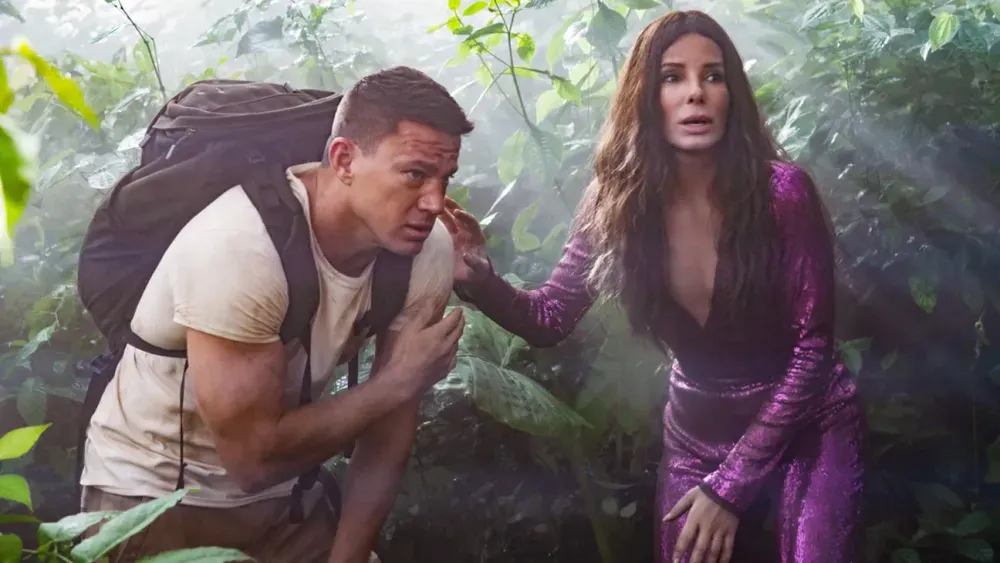
Photo Credit: Paramount
by Chris Tremblay Apr 20
5 MIN READ
Sandra Bullock has urged the film industry to be more open to artificial intelligence, telling an audience at the CNBC Changemakers Summit that Hollywood needs to “lean into” the technology and “make it our friend.” The Oscar-winning actor framed AI as a tool that can be used in “a really constructive and creative way,” while stressing that it must be approached with caution and awareness of potential harms.
Bullock’s remarks came as she reacted to AI-generated fan trailers for "Practical Magic 2", the upcoming sequel to the 1998 fantasy film, which have been circulating on social media ahead of the official release. She initially joked about the use of her likeness, saying “Well, there could be worse with my image, sorry,” before turning serious and emphasizing the need to both understand and responsibly integrate AI into creative work.
Bullock stated that AI is already present and cannot simply be ignored, saying “It’s here. We have to observe it. We have to understand it.” She continued: “We have to lean into it. We have to use it in a really constructive and creative way, make it our friend. We have to be incredibly cautious and aware of it because there are people who will use it for evil and not good. I do feel that there’s a place for it.”
The immediate context for Bullock’s comments is the wave of AI-assisted fan activity surrounding "Practical Magic 2", where supporters have used generative tools to cut their own trailers for the yet-to-be-released film. These unofficial clips, assembled from existing footage and digital effects, reflect how accessible AI video-editing and image-generation tools have become to everyday viewers, including LGBTQ+ fans who often remix mainstream media to create more inclusive stories and edits.
Warner Bros. Motion Pictures Co-Chair and CEO Pam Abdy acknowledged the fan-made AI trailers and described them as “not great” from a quality and control standpoint, but also “exciting” because they signal strong audience desire to “come and play with the movie.” This response reflects a cautious openness from the studio, which is balancing concerns about misrepresentation and brand control with recognition of emerging participatory fan culture powered by AI tools.
Bullock’s stance aligns with the idea that fan creativity, including projects by queer and gender-diverse fans, can coexist with professional filmmaking when clear boundaries and protections are in place. At the same time, her emphasis on the risk of people who “will use it for evil and not good” echoes broader concerns in Hollywood about deepfakes, non-consensual use of performers’ likenesses, and the impact of automation on writers, actors, and production workers, including LGBTQ+ creatives who may already face barriers in the industry.
Bullock’s comments arrive as "Practical Magic 2" is positioned as one of Warner Bros.’ major releases for 2026, nearly three decades after the original 1998 film became a cult favorite with a devoted queer and feminist fan base. The sequel reunites Bullock with Nicole Kidman, as they return as sisters Sally and Gillian Owens, with the storyline continuing the saga of a family of witches navigating love, loss, and inherited magic.
At CinemaCon 2026, Warner Bros. unveiled the first official trailer for "Practical Magic 2" and confirmed that the film is scheduled to reach theaters on 11 September 2026. The sequel is directed by Susanne Bier and brings back original cast members Stockard Channing and Dianne Wiest as the eccentric aunts, while adding new performers including Joey King, Maisie Williams, Lee Pace, Xolo Maridueña, and Solly McLeod.
The film’s return in 2026 situates Bullock’s AI advocacy within an industry that has recently seen high-profile labor actions over the use of AI in writing, acting, and visual effects, with unions calling for strict consent, compensation, and transparency rules. While Bullock did not directly reference specific union negotiations in the remarks reported from the CNBC Changemakers Summit, her insistence on both embracing AI’s creative potential and remaining “incredibly cautious” reflects an attempt to stake out a middle ground between outright rejection and uncritical adoption.
Bullock is not alone in articulating a cautiously optimistic view of AI in entertainment, and her comments were reported alongside perspectives from other high-profile figures. Actor Uma Thurman, speaking to InStyle in the United States, said she did not “see the point” in being “nervous” about AI, suggesting that most new technologies come with both “great positives” and “great cost,” and that people need to remain “fluid and dextrous and open-minded and positive.”
Director James Cameron, by contrast, has voiced skepticism about artificial super-intelligence while still exploring AI for practical uses such as reducing special effects costs. Cameron told The Times that artificial super-intelligence is “a really bad idea” because societies cannot agree on what is “good, virtuous, ethical and moral,” arguing that without such consensus, humanity cannot reliably teach a machine to “run things for us.”
These contrasting perspectives underscore how divided Hollywood remains over AI’s role, even as the technology becomes more embedded in both production workflows and fan practices. For LGBTQ+ and other marginalized creatives, the debate carries particular resonance, given longstanding concerns about whose stories are told, who controls representation, and whether AI tools will widen or narrow opportunities for underrepresented communities.
Bullock’s framing of AI as something to “make our friend” points toward a vision where technology supports, rather than replaces, human creativity, including the work of actors, writers, and directors from diverse backgrounds. Her emphasis on understanding and observing AI suggests that she sees informed engagement—not withdrawal—as the best route to protecting performers’ rights and identities in an era of rapidly advancing tools.
At the same time, her warning that some people will use AI “for evil and not good” aligns with calls from advocacy groups for stronger rules against non-consensual deepfakes, unauthorized digital doubles, and manipulated images that can target women, LGBTQ+ people, and other marginalized communities. For studios and unions, this raises questions about how to codify consent, credit, and compensation into contracts and technical standards, so that AI remains a tool under human control rather than a mechanism that undermines workers’ agency.
As "Practical Magic 2" moves toward its September 2026 release, the conversation around AI that has formed around the film illustrates how a single franchise can become a focal point for broader discussions about technology and power in Hollywood. Bullock’s call to “lean into” AI—while staying “incredibly cautious and aware”—captures the tension many in the industry are trying to navigate: adapting to a new technological reality without losing sight of consent, fairness, and the human voices that give stories their depth.
Bullock stated that AI is already present and cannot simply be ignored, saying “It’s here. We have to observe it. We have to understand it.” She continued: “We have to lean into it. We have to use it in a really constructive and creative way, make it our friend. We have to be incredibly cautious and aware of it because there are people who will use it for evil and not good. I do feel that there’s a place for it.”
Fan-made AI trailers and studio reaction
The immediate context for Bullock’s comments is the wave of AI-assisted fan activity surrounding "Practical Magic 2", where supporters have used generative tools to cut their own trailers for the yet-to-be-released film. These unofficial clips, assembled from existing footage and digital effects, reflect how accessible AI video-editing and image-generation tools have become to everyday viewers, including LGBTQ+ fans who often remix mainstream media to create more inclusive stories and edits.
Warner Bros. Motion Pictures Co-Chair and CEO Pam Abdy acknowledged the fan-made AI trailers and described them as “not great” from a quality and control standpoint, but also “exciting” because they signal strong audience desire to “come and play with the movie.” This response reflects a cautious openness from the studio, which is balancing concerns about misrepresentation and brand control with recognition of emerging participatory fan culture powered by AI tools.
Bullock’s stance aligns with the idea that fan creativity, including projects by queer and gender-diverse fans, can coexist with professional filmmaking when clear boundaries and protections are in place. At the same time, her emphasis on the risk of people who “will use it for evil and not good” echoes broader concerns in Hollywood about deepfakes, non-consensual use of performers’ likenesses, and the impact of automation on writers, actors, and production workers, including LGBTQ+ creatives who may already face barriers in the industry.
Practical Magic 2 and a changing industry
Bullock’s comments arrive as "Practical Magic 2" is positioned as one of Warner Bros.’ major releases for 2026, nearly three decades after the original 1998 film became a cult favorite with a devoted queer and feminist fan base. The sequel reunites Bullock with Nicole Kidman, as they return as sisters Sally and Gillian Owens, with the storyline continuing the saga of a family of witches navigating love, loss, and inherited magic.
At CinemaCon 2026, Warner Bros. unveiled the first official trailer for "Practical Magic 2" and confirmed that the film is scheduled to reach theaters on 11 September 2026. The sequel is directed by Susanne Bier and brings back original cast members Stockard Channing and Dianne Wiest as the eccentric aunts, while adding new performers including Joey King, Maisie Williams, Lee Pace, Xolo Maridueña, and Solly McLeod.
The film’s return in 2026 situates Bullock’s AI advocacy within an industry that has recently seen high-profile labor actions over the use of AI in writing, acting, and visual effects, with unions calling for strict consent, compensation, and transparency rules. While Bullock did not directly reference specific union negotiations in the remarks reported from the CNBC Changemakers Summit, her insistence on both embracing AI’s creative potential and remaining “incredibly cautious” reflects an attempt to stake out a middle ground between outright rejection and uncritical adoption.
Other Hollywood voices on AI
Bullock is not alone in articulating a cautiously optimistic view of AI in entertainment, and her comments were reported alongside perspectives from other high-profile figures. Actor Uma Thurman, speaking to InStyle in the United States, said she did not “see the point” in being “nervous” about AI, suggesting that most new technologies come with both “great positives” and “great cost,” and that people need to remain “fluid and dextrous and open-minded and positive.”
Director James Cameron, by contrast, has voiced skepticism about artificial super-intelligence while still exploring AI for practical uses such as reducing special effects costs. Cameron told The Times that artificial super-intelligence is “a really bad idea” because societies cannot agree on what is “good, virtuous, ethical and moral,” arguing that without such consensus, humanity cannot reliably teach a machine to “run things for us.”
These contrasting perspectives underscore how divided Hollywood remains over AI’s role, even as the technology becomes more embedded in both production workflows and fan practices. For LGBTQ+ and other marginalized creatives, the debate carries particular resonance, given longstanding concerns about whose stories are told, who controls representation, and whether AI tools will widen or narrow opportunities for underrepresented communities.
Balancing creativity, consent, and safeguards
Bullock’s framing of AI as something to “make our friend” points toward a vision where technology supports, rather than replaces, human creativity, including the work of actors, writers, and directors from diverse backgrounds. Her emphasis on understanding and observing AI suggests that she sees informed engagement—not withdrawal—as the best route to protecting performers’ rights and identities in an era of rapidly advancing tools.
At the same time, her warning that some people will use AI “for evil and not good” aligns with calls from advocacy groups for stronger rules against non-consensual deepfakes, unauthorized digital doubles, and manipulated images that can target women, LGBTQ+ people, and other marginalized communities. For studios and unions, this raises questions about how to codify consent, credit, and compensation into contracts and technical standards, so that AI remains a tool under human control rather than a mechanism that undermines workers’ agency.
As "Practical Magic 2" moves toward its September 2026 release, the conversation around AI that has formed around the film illustrates how a single franchise can become a focal point for broader discussions about technology and power in Hollywood. Bullock’s call to “lean into” AI—while staying “incredibly cautious and aware”—captures the tension many in the industry are trying to navigate: adapting to a new technological reality without losing sight of consent, fairness, and the human voices that give stories their depth.
Copyright EDGE Media Network. All rights reserved. This material may not be published, broadcast, rewritten, or redistributed.
