Laurie Metcalf Says She Hasn’t Spoken to Roseanne Barr Since Reboot’s Abrupt End
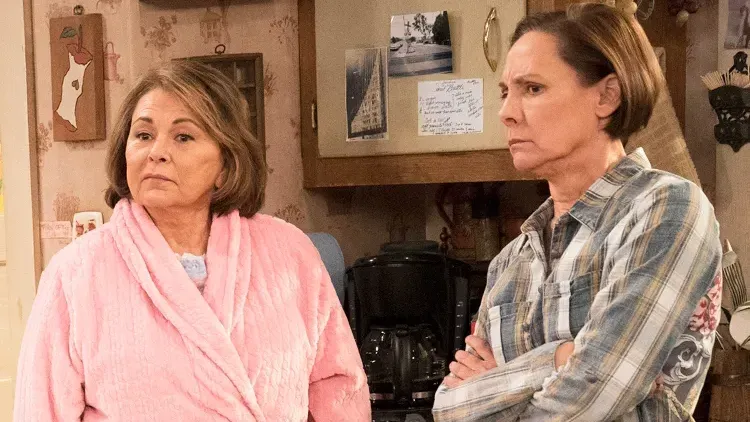
Photo Credit: Disney
by Chris Tremblay Apr 30
5 MIN READ
Laurie Metcalf has confirmed that she has not spoken to Roseanne Barr since the “Roseanne” reboot was cancelled in 2018 following Barr’s firing, saying there is “nothing controversial” about their lack of contact but that the two simply “haven’t spoken” since they said goodbye at the end of the revival. The Emmy‑winning actor, who played Jackie Harris, the younger sister of Barr’s Roseanne Conner, discussed the estrangement in a recent interview with The New Yorker that has since been highlighted by multiple entertainment outlets.
In recounting the last time they spoke, Metcalf explained that their final conversation occurred as the cast wrapped the 2018 reboot, before Barr’s tweet about former Obama adviser Valerie Jarrett led ABC to cancel the show and sever ties with its namesake star. Metcalf emphasized that there was no dramatic falling‑out between them on a personal level, stating simply, “We just haven’t spoken since we said goodbye at the end of the reboot.”
“Roseanne” originally debuted on ABC in 1988 and quickly became one of the network’s highest‑rated series, centering a working‑class Midwestern family at a time when such depictions were relatively rare on broadcast television. The sitcom ran for nine seasons from 1988 to 1997, with Barr as the outspoken matriarch Roseanne Conner and Metcalf as her sister Jackie, a duo whose on‑screen relationship became central to the show’s identity.
In 2018, ABC revived the series for a 10th season with most of the original cast, including Metcalf, Barr, John Goodman, Sara Gilbert, and others, bringing the Conner family into a contemporary political and cultural landscape. The revival’s premiere in March 2018 delivered strong ratings, and ABC swiftly renewed it for an additional season before the controversy that would end Barr’s involvement.
The reboot came to a halt in May 2018 after Barr posted a racist tweet comparing former Obama adviser Valerie Jarrett to an ape, drawing widespread condemnation and forcing the network to respond within hours. ABC Entertainment president Channing Dungey announced the show’s cancellation in a public statement calling Barr’s tweet “abhorrent, repugnant and inconsistent with our values,” formally ending the reboot in its existing form.
Metcalf’s new remarks shed light on how she saw Barr’s role behind the scenes over the decades, describing a complex dynamic in which the star clashed with producers while also fighting for creative control of a show that drew heavily on her own life and comedic voice. In her interview, Metcalf said she “saw somebody refusing to settle for anything, and it had her godd— name on it, and she knew what she wanted,” adding that she believed Barr was “right by far the majority of the time” in those creative disputes.
The article notes that from early in the show’s run, Barr pushed to be recognized as a creator and to ensure the series reflected her vision, leading to tension with original producer Matt Williams and other writers that culminated in staff changes and a shift in creative credits. Metcalf is reported as siding with Barr in those struggles, underscoring how strongly she felt about the comedian’s ownership of the material, even as the working environment could be contentious.
Metcalf also reflected on her first impressions of Barr, recalling that she felt intimidated by someone she described as “self‑made,” a stand‑up comic whose life experience formed the backbone of the series. She said that the strong sister relationship written on the page, which mirrored Barr’s real‑life connections with her own sisters, provided a starting point for their on‑screen bond, allowing the actors to deepen that dynamic while playing to the show’s humor.
After ABC cut ties with Barr, the network retooled the series as “The Conners,” centering the remaining family members and explaining Barr’s absence by writing Roseanne Conner’s death as the result of an off‑screen opioid overdose. The rebranded series premiered in October 2018 with Metcalf, Goodman, Gilbert, and other returning cast members, and it ultimately ran for seven seasons, concluding its final episode in April 2025.
Metcalf described the atmosphere on set in the wake of Barr’s departure as marked by “a general sadness around the whole place,” capturing how abruptly the cast’s reunion had transformed into a different show. While the Conner family continued on television, the actor’s comments suggest that the emotional adjustment to working without the original series’ central figure was significant for those who stayed.
Asked whether she felt angry at Barr for “blowing up her own show,” Metcalf responded, “I don’t even know how to answer that,” a reply that offered no direct judgment but underscored the difficulty of distilling years of history and a highly public controversy into a simple reaction. Her comments focused more on creative respect and shared professional experience than on revisiting the details of Barr’s conduct or its impact on audiences, including viewers from marginalized communities targeted by racist and other harmful rhetoric.
The new focus on Metcalf and Barr’s silence follows earlier remarks from other cast members, including John Goodman, who said in a 2025 interview that he had not spoken to Barr for about “seven or eight years,” indicating a broader pattern of distance among the former ensemble. Goodman, who portrayed Dan Conner, suggested that he doubted Barr would want to talk to him, underscoring how the fallout from the cancellation extended beyond the headlines to reshape longtime working relationships.
Barr, for her part, told Fox News Digital in a June 2025 interview that she is not in contact with any of her former “Roseanne” co‑stars, saying, “No, I’m not friends with none of them,” while adding that she has “pleasant memories” of the show and wishes them well even as she harshly criticized how the series ended. She characterized the show’s conclusion and the surrounding decisions as “horrendous” and said she has moved on from that chapter of her life, while using strong language to express anger at how the situation unfolded.
Metcalf’s recent comments do not directly engage with Barr’s later statements or political positions, but they do offer a new window into how one of the series’ most prominent performers has processed the end of a professional and personal connection that once defined a major era of network television. Her emphasis on creative respect, coupled with a refusal to simplify complex feelings into a single word like anger, highlights the nuanced ways performers can view colleagues whose public conduct has had serious consequences for both their careers and the communities affected by their words.
For viewers, including LGBTQ+ people and other marginalized communities who followed “Roseanne” and “The Conners” as depictions of a working‑class family navigating cultural change, the revelations underscore how on‑screen bonds can diverge sharply from off‑screen relationships once a controversy erupts. While Metcalf’s account confirms that she and Barr have not spoken in years, it also portrays a working environment in which respect for craft, disagreement, and silence have all existed side by side, long after the cameras stopped rolling.
From ratings juggernaut to sudden cancellation
“Roseanne” originally debuted on ABC in 1988 and quickly became one of the network’s highest‑rated series, centering a working‑class Midwestern family at a time when such depictions were relatively rare on broadcast television. The sitcom ran for nine seasons from 1988 to 1997, with Barr as the outspoken matriarch Roseanne Conner and Metcalf as her sister Jackie, a duo whose on‑screen relationship became central to the show’s identity.
In 2018, ABC revived the series for a 10th season with most of the original cast, including Metcalf, Barr, John Goodman, Sara Gilbert, and others, bringing the Conner family into a contemporary political and cultural landscape. The revival’s premiere in March 2018 delivered strong ratings, and ABC swiftly renewed it for an additional season before the controversy that would end Barr’s involvement.
The reboot came to a halt in May 2018 after Barr posted a racist tweet comparing former Obama adviser Valerie Jarrett to an ape, drawing widespread condemnation and forcing the network to respond within hours. ABC Entertainment president Channing Dungey announced the show’s cancellation in a public statement calling Barr’s tweet “abhorrent, repugnant and inconsistent with our values,” formally ending the reboot in its existing form.
Metcalf’s view of Barr and the show’s legacy
Metcalf’s new remarks shed light on how she saw Barr’s role behind the scenes over the decades, describing a complex dynamic in which the star clashed with producers while also fighting for creative control of a show that drew heavily on her own life and comedic voice. In her interview, Metcalf said she “saw somebody refusing to settle for anything, and it had her godd— name on it, and she knew what she wanted,” adding that she believed Barr was “right by far the majority of the time” in those creative disputes.
The article notes that from early in the show’s run, Barr pushed to be recognized as a creator and to ensure the series reflected her vision, leading to tension with original producer Matt Williams and other writers that culminated in staff changes and a shift in creative credits. Metcalf is reported as siding with Barr in those struggles, underscoring how strongly she felt about the comedian’s ownership of the material, even as the working environment could be contentious.
Metcalf also reflected on her first impressions of Barr, recalling that she felt intimidated by someone she described as “self‑made,” a stand‑up comic whose life experience formed the backbone of the series. She said that the strong sister relationship written on the page, which mirrored Barr’s real‑life connections with her own sisters, provided a starting point for their on‑screen bond, allowing the actors to deepen that dynamic while playing to the show’s humor.
Life after “Roseanne”: ‘The Conners’ and lingering sadness
After ABC cut ties with Barr, the network retooled the series as “The Conners,” centering the remaining family members and explaining Barr’s absence by writing Roseanne Conner’s death as the result of an off‑screen opioid overdose. The rebranded series premiered in October 2018 with Metcalf, Goodman, Gilbert, and other returning cast members, and it ultimately ran for seven seasons, concluding its final episode in April 2025.
Metcalf described the atmosphere on set in the wake of Barr’s departure as marked by “a general sadness around the whole place,” capturing how abruptly the cast’s reunion had transformed into a different show. While the Conner family continued on television, the actor’s comments suggest that the emotional adjustment to working without the original series’ central figure was significant for those who stayed.
Asked whether she felt angry at Barr for “blowing up her own show,” Metcalf responded, “I don’t even know how to answer that,” a reply that offered no direct judgment but underscored the difficulty of distilling years of history and a highly public controversy into a simple reaction. Her comments focused more on creative respect and shared professional experience than on revisiting the details of Barr’s conduct or its impact on audiences, including viewers from marginalized communities targeted by racist and other harmful rhetoric.
Barr’s perspective and wider cast estrangement
The new focus on Metcalf and Barr’s silence follows earlier remarks from other cast members, including John Goodman, who said in a 2025 interview that he had not spoken to Barr for about “seven or eight years,” indicating a broader pattern of distance among the former ensemble. Goodman, who portrayed Dan Conner, suggested that he doubted Barr would want to talk to him, underscoring how the fallout from the cancellation extended beyond the headlines to reshape longtime working relationships.
Barr, for her part, told Fox News Digital in a June 2025 interview that she is not in contact with any of her former “Roseanne” co‑stars, saying, “No, I’m not friends with none of them,” while adding that she has “pleasant memories” of the show and wishes them well even as she harshly criticized how the series ended. She characterized the show’s conclusion and the surrounding decisions as “horrendous” and said she has moved on from that chapter of her life, while using strong language to express anger at how the situation unfolded.
Metcalf’s recent comments do not directly engage with Barr’s later statements or political positions, but they do offer a new window into how one of the series’ most prominent performers has processed the end of a professional and personal connection that once defined a major era of network television. Her emphasis on creative respect, coupled with a refusal to simplify complex feelings into a single word like anger, highlights the nuanced ways performers can view colleagues whose public conduct has had serious consequences for both their careers and the communities affected by their words.
For viewers, including LGBTQ+ people and other marginalized communities who followed “Roseanne” and “The Conners” as depictions of a working‑class family navigating cultural change, the revelations underscore how on‑screen bonds can diverge sharply from off‑screen relationships once a controversy erupts. While Metcalf’s account confirms that she and Barr have not spoken in years, it also portrays a working environment in which respect for craft, disagreement, and silence have all existed side by side, long after the cameras stopped rolling.
Copyright EDGE Media Network. All rights reserved. This material may not be published, broadcast, rewritten, or redistributed.