
Meryl Streep Explains The Lighthearted “Beef” She Once Had With Goldie Hawn on the 'Death Becomes Her' Set
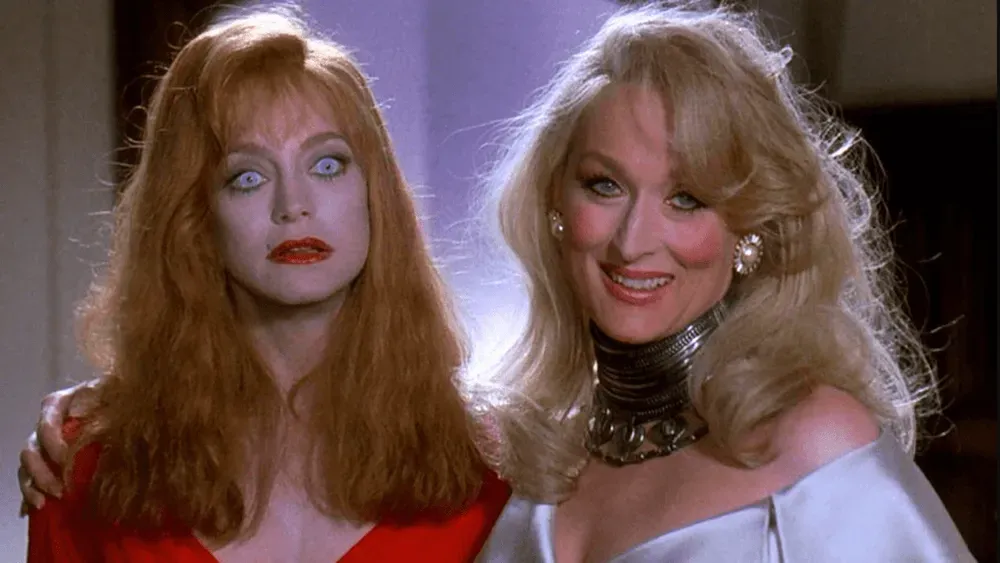
Photo Credit: Universal
by Chris Tremblay May 3
4 MIN READ
In a recent conversation reflecting on her long career, Meryl Streep shared that she once had what she jokingly called a “beef” with her *Death Becomes Her* co-star Goldie Hawn, stemming not from creative clashes but from a simple, persistent difference in work habits. Streep, who described herself as consistently punctual, admitted she grew frustrated in the early 1990s with Hawn’s tendency to arrive late to set, even as she underlined that the memory is now a source of humor rather than resentment.
Speaking about their time filming the 1992 dark comedy, Streep recalled that Hawn was “always late to set,” framing the issue as a long-ago pet peeve rather than a lasting conflict. She contrasted this with her own reputation for precise timing, calling herself “always on time” and even “annoying” about it, suggesting the friction arose from two very different professional rhythms meeting on a technically demanding set.
Streep recounted that Hawn would often drive herself to work in a red convertible, arriving with a breezy apology that others on set found charming. She remembered Hawn coming in with her hair done, saying “Oh gosh, sorry!” while colleagues reacted to her entrance with amusement and affection, something Streep summed up with, “And everybody thought, ‘Oh, she’s so cute.’ Yeah. So I had a beef with her.”
Despite that irritation, Streep has made clear that her feelings toward Hawn were, and remain, deeply affectionate. She has described Hawn as “one of my buddies,” saying “I loved her. I love her,” and noting that the two have since laughed together about their on-set dynamic and about how strongly audiences still respond to *Death Becomes Her* decades later.
Streep has praised Hawn’s warmth and sense of humor, recalling that they had “a lot of fun” on set despite the demanding nature of the shoot. She affectionately referred to Hawn as “the best laugher in America,” describing how Hawn’s loud, infectious laugh would sometimes force the crew to halt filming because everyone was laughing too hard to continue.
Their working relationship, as Streep presents it now, seems to mirror the film’s blend of competition and camaraderie: two powerful performers with distinct styles and habits, navigating both the pressures of a major production and the development of a lasting friendship. Streep has also suggested that their shared experience of making such a technically intensive movie helped forge that bond, even if they approached the workday differently.
Released in 1992, *Death Becomes Her* is a supernatural black comedy that follows Madeline Ashton, played by Streep, and Helen Sharp, played by Hawn, as they battle over a shared romantic interest and wrestle with aging, mortality, and the pursuit of eternal youth. The story centers on both women drinking a magical potion that grants them a form of immortality, only to discover that eternal life arrives with grotesque physical consequences and emotional costs.
The film also features Bruce Willis as Dr. Ernest Menville, the plastic surgeon caught between Madeline and Helen, whom Streep has more recently described as “amazing” and fun to work with. Streep has joked that, in some ways, she saw the film as “like a documentary on Beverly Hills,” a wry comment on Hollywood’s fixation with youth and physical appearance that underscores why the film has remained culturally resonant.
Over time, *Death Becomes Her* has become a cult favorite, frequently revisited by audiences for its camp sensibility, elaborate visual effects, and its sharp critique of ageism and beauty standards. Viewers, including many LGBTQ+ people who have embraced the film’s heightened performances and morbid humor, continue to share and celebrate its most iconic scenes, especially around Halloween.
Behind the film’s stylish surface and comedic rivalry lay a difficult technical production, a point Streep has emphasized in recent reflections. She described working with early computer-generated imagery and complex makeup effects as “excruciating,” saying that calling the process “tedious” was an understatement in light of the many hours required to create the movie’s surreal visual gags.
One of the film’s most memorable sequences involves Madeline tumbling down a flight of stairs, having her neck grotesquely twisted, yet continuing to move and speak, as her undead body defies normal anatomy. To achieve shots like this, Streep recalled wearing an oversized green spandex suit covered in pins to help the visual effects team track her movements and later manipulate her appearance digitally, a process she said demanded immense patience from both cast and crew.
The film also required elaborate prosthetics and digitally enhanced sequences involving gunshot wounds and bodily distortions, all of which were ambitious for the early 1990s. Streep’s comments highlight how performers — including women in midlife playing complex, flawed characters — shouldered not only emotional storytelling but also physically demanding technical setups that were still relatively new to mainstream cinema at the time.
Streep’s revelation about her old “beef” with Hawn comes as she also finds herself jokingly linked to another lighthearted “feud” — this time with NFL player Travis Kelce. While promoting a new project, Streep quipped that the hardest part of shooting in Milan was walking in stilettos on cobblestones and said she would like to see Kelce attempt the same, a comment that was later played on the “New Heights” podcast hosted by Travis and Jason Kelce.
On the show, Jason Kelce jokingly asked his brother if they now had “beef” with Streep, to which Travis responded with admiration, calling her “a powerful woman” and insisting he had no issue with her. Kelce even joked that Streep had “no idea” how good he was at walking in heels, playing along with the gag and reinforcing that the exchange, like Streep’s story about Hawn, existed in a register of playful banter rather than genuine hostility.
The recurring language of “beef” in these stories underscores how Streep is revisiting aspects of her past work and public persona with a tone of humor and self-awareness. Her comments invite audiences to see the human dynamics behind an enduring cult film — including the minor frictions, laughter-filled breaks, and collaborative effort that brought its heightened world of vanity and rivalry to life.
Streep recounted that Hawn would often drive herself to work in a red convertible, arriving with a breezy apology that others on set found charming. She remembered Hawn coming in with her hair done, saying “Oh gosh, sorry!” while colleagues reacted to her entrance with amusement and affection, something Streep summed up with, “And everybody thought, ‘Oh, she’s so cute.’ Yeah. So I had a beef with her.”
Friendship beneath the tension
Despite that irritation, Streep has made clear that her feelings toward Hawn were, and remain, deeply affectionate. She has described Hawn as “one of my buddies,” saying “I loved her. I love her,” and noting that the two have since laughed together about their on-set dynamic and about how strongly audiences still respond to *Death Becomes Her* decades later.
Streep has praised Hawn’s warmth and sense of humor, recalling that they had “a lot of fun” on set despite the demanding nature of the shoot. She affectionately referred to Hawn as “the best laugher in America,” describing how Hawn’s loud, infectious laugh would sometimes force the crew to halt filming because everyone was laughing too hard to continue.
Their working relationship, as Streep presents it now, seems to mirror the film’s blend of competition and camaraderie: two powerful performers with distinct styles and habits, navigating both the pressures of a major production and the development of a lasting friendship. Streep has also suggested that their shared experience of making such a technically intensive movie helped forge that bond, even if they approached the workday differently.
The film and its themes
Released in 1992, *Death Becomes Her* is a supernatural black comedy that follows Madeline Ashton, played by Streep, and Helen Sharp, played by Hawn, as they battle over a shared romantic interest and wrestle with aging, mortality, and the pursuit of eternal youth. The story centers on both women drinking a magical potion that grants them a form of immortality, only to discover that eternal life arrives with grotesque physical consequences and emotional costs.
The film also features Bruce Willis as Dr. Ernest Menville, the plastic surgeon caught between Madeline and Helen, whom Streep has more recently described as “amazing” and fun to work with. Streep has joked that, in some ways, she saw the film as “like a documentary on Beverly Hills,” a wry comment on Hollywood’s fixation with youth and physical appearance that underscores why the film has remained culturally resonant.
Over time, *Death Becomes Her* has become a cult favorite, frequently revisited by audiences for its camp sensibility, elaborate visual effects, and its sharp critique of ageism and beauty standards. Viewers, including many LGBTQ+ people who have embraced the film’s heightened performances and morbid humor, continue to share and celebrate its most iconic scenes, especially around Halloween.
Technical challenges behind the comedy
Behind the film’s stylish surface and comedic rivalry lay a difficult technical production, a point Streep has emphasized in recent reflections. She described working with early computer-generated imagery and complex makeup effects as “excruciating,” saying that calling the process “tedious” was an understatement in light of the many hours required to create the movie’s surreal visual gags.
One of the film’s most memorable sequences involves Madeline tumbling down a flight of stairs, having her neck grotesquely twisted, yet continuing to move and speak, as her undead body defies normal anatomy. To achieve shots like this, Streep recalled wearing an oversized green spandex suit covered in pins to help the visual effects team track her movements and later manipulate her appearance digitally, a process she said demanded immense patience from both cast and crew.
The film also required elaborate prosthetics and digitally enhanced sequences involving gunshot wounds and bodily distortions, all of which were ambitious for the early 1990s. Streep’s comments highlight how performers — including women in midlife playing complex, flawed characters — shouldered not only emotional storytelling but also physically demanding technical setups that were still relatively new to mainstream cinema at the time.
A playful echo in the present
Streep’s revelation about her old “beef” with Hawn comes as she also finds herself jokingly linked to another lighthearted “feud” — this time with NFL player Travis Kelce. While promoting a new project, Streep quipped that the hardest part of shooting in Milan was walking in stilettos on cobblestones and said she would like to see Kelce attempt the same, a comment that was later played on the “New Heights” podcast hosted by Travis and Jason Kelce.
On the show, Jason Kelce jokingly asked his brother if they now had “beef” with Streep, to which Travis responded with admiration, calling her “a powerful woman” and insisting he had no issue with her. Kelce even joked that Streep had “no idea” how good he was at walking in heels, playing along with the gag and reinforcing that the exchange, like Streep’s story about Hawn, existed in a register of playful banter rather than genuine hostility.
The recurring language of “beef” in these stories underscores how Streep is revisiting aspects of her past work and public persona with a tone of humor and self-awareness. Her comments invite audiences to see the human dynamics behind an enduring cult film — including the minor frictions, laughter-filled breaks, and collaborative effort that brought its heightened world of vanity and rivalry to life.
Copyright EDGE Media Network. All rights reserved. This material may not be published, broadcast, rewritten, or redistributed.


