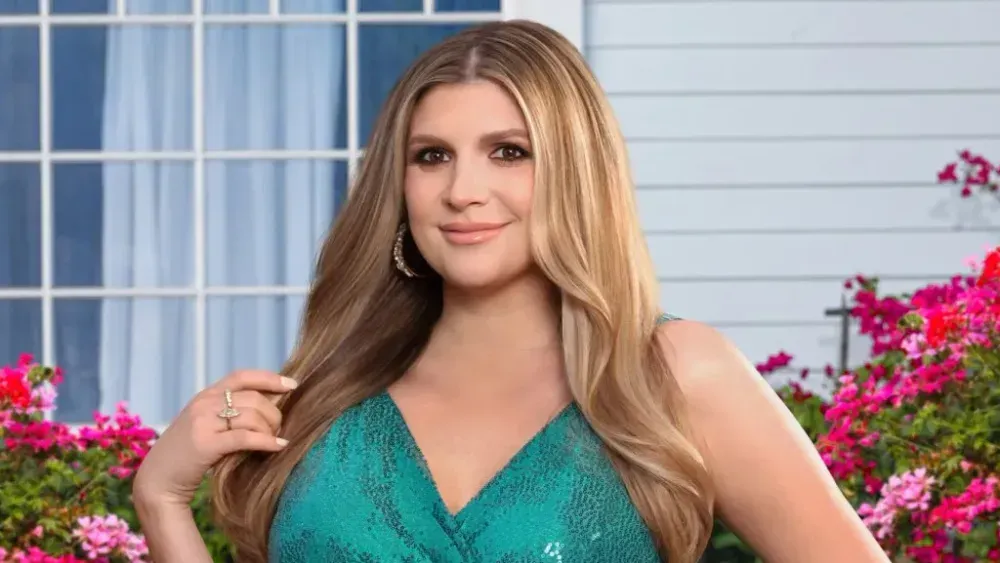
Jake Shears Boards ‘Tinderbox’ Film Adaptation as Producer to Resurrect Forgotten History of the Up Stairs Lounge Tragedy
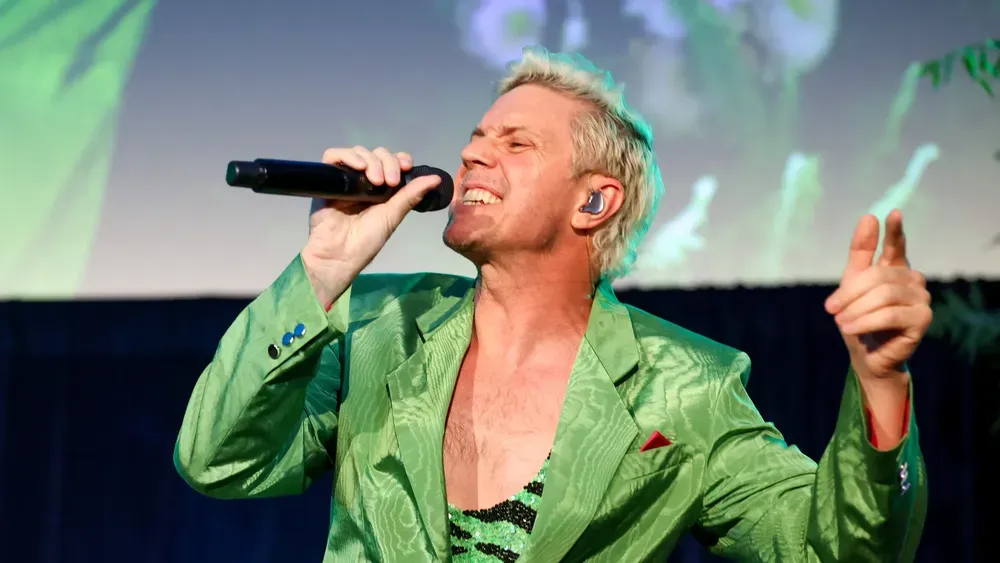
SEATTLE, WASHINGTON - JUNE 13: Jake Shears performs onstage during the Lifelong Pride Gala at The Sanctuary on June 13, 2026 in Seattle, Washington. Photo Credit: Mat Hayward
In a significant move for LGBTQ+ representation in cinema, Scissor Sisters frontman Jake Shears has officially joined the production team for the feature film adaptation of Tinderbox, a project dedicated to chronicling one of the most devastating yet frequently overlooked tragedies in American queer history . The film is based on the critically acclaimed 2018 non-fiction book Tinderbox: The Untold Story of the Up Stairs Lounge Fire and the Rise of Gay Liberation by author Robert Fieseler . Shears, a long-time advocate for LGBTQ+ visibility and history, will serve as a producer on the project and contribute a selection of music from his solo career to the film's soundtrack .
A Forgotten Chapter of Queer History
The film centers on the horrific events of June 24, 1973, when an arsonist set fire to the Up Stairs Lounge, a popular gay bar located in the French Quarter of New Orleans . The attack occurred on the final night of Pride weekend, during a period when the burgeoning gay liberation movement was just beginning to find its voice across the United States . The fire claimed the lives of 32 people, making it the deadliest mass killing of LGBTQ+ individuals in the United States for over four decades, until the Pulse nightclub shooting in 2016 .
Despite the magnitude of the loss, the tragedy remained largely absent from mainstream historical narratives for decades . The lack of public mourning and the silence from city officials and religious institutions at the time highlighted the intense marginalization of the queer community in the 1970s . Robert Fieseler’s book, which serves as the source material for the film, was instrumental in bringing this "forgotten" tragedy back into the public consciousness, winning the Edgar Award for Best Fact Crime and the Louisiana Literary Award .
Creative Vision and Soundtrack
The film adaptation is being spearheaded by the filmmaking duo Colby Holt and Sam Probst, known for their work under the Ganymede banner . Holt and Probst, who will both write and direct the feature, reportedly discovered a creative synergy between Fieseler’s writing and Shears’ music while developing the project . According to production sources, the directors were listening to Shears’ self-titled solo album Jake Shears and his B-Sides collection as they read the book, finding that the emotional resonance of the music complemented the narrative of resilience and community found in the text .
Shears’ involvement extends beyond his role as a producer. He will lend tracks from his solo discography to the film, helping to set the tonal backdrop for the 1970s setting and the emotional journey of the characters . Shears has expressed a deep personal connection to the material, noting that Fieseler’s work provides an "extraordinary" look at a pivotal moment in history that deserves to be told with care and authenticity .
Production and Industry Support
The film is being produced through Rewind Artists, led by Cory Thompson, who recently produced the thriller Barron’s Cove . Thompson stated that Shears’ addition to the team "strengthens an already incredible creative team" and that the production is eager to continue building the project to bring this essential piece of history to the screen .
The project has reportedly been in development for several years, navigating the complexities of adapting such a sensitive and historically significant event . With the current momentum and the backing of established industry figures, Tinderbox is poised to become a landmark film for LGBTQ+ storytelling. The creative team includes representation from major agencies, with Shears represented by WME and Fascination Management, and Fieseler represented by UTA .
Contextualizing the Tragedy in Modern Times
The Up Stairs Lounge fire occurred in an era where transgender people and gay men often lived in the "closet," a shared survival strategy in response to systemic persecution . The fire was set on a Sunday evening after a meeting of the Metropolitan Community Church , the first gay-affirming Christian denomination in New Orleans . The victims included the MCC pastor, Rev. Bill Larson, and many members of the congregation .
In the aftermath of the fire, the city’s response was characterized by indifference. No local officials made public statements of sympathy, and many churches refused to hold funeral services for the victims . Some families even refused to claim the remains of their loved ones out of shame or fear of being associated with the LGBTQ+ community . This historical context makes the film adaptation particularly significant, as it seeks to restore dignity to the victims and acknowledge the tragedy as a foundational moment for the gay liberation movement in the South .
Future Outlook
As production continues, the team behind Tinderbox aims to ensure the film honors the legacy of those lost while educating a new generation about the struggles and triumphs of the LGBTQ+ community . The inclusion of Jake Shears—a contemporary icon of queer joy and artistry—provides a bridge between the painful history of the 1970s and the vibrant, out-and-proud culture of today. Casting news and further production timelines are expected to be announced in the coming months as the project moves into its next phase of development .
For many in the community, the realization of this film represents more than just a cinematic endeavor; it is an act of historical reclamation. By documenting the Up Stairs Lounge fire, Tinderbox will ensure that the 32 lives lost in the French Quarter are no longer a "forgotten" tragedy, but a permanent part of the American civil rights narrative .
Copyright EDGE Media Network. All rights reserved. This material may not be published, broadcast, rewritten, or redistributed.