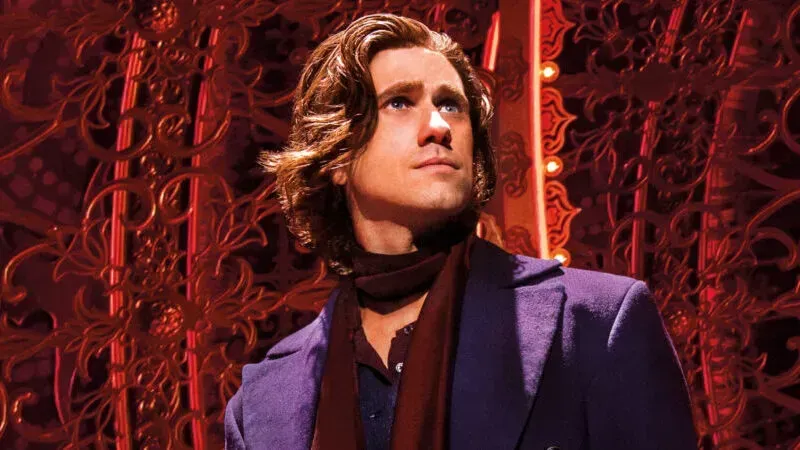
Dylan Mulvaney Responds to Mockery from President Donald Trump
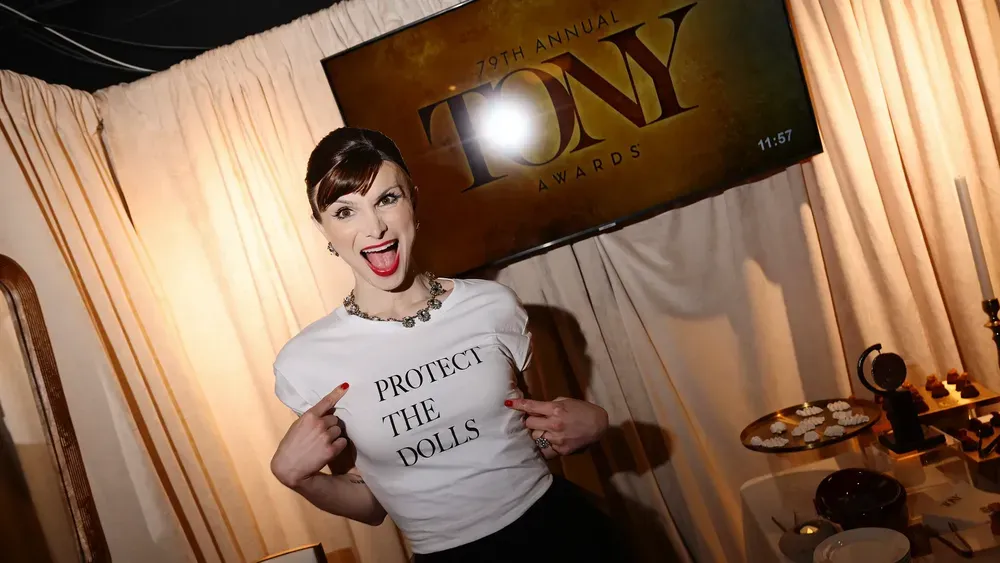
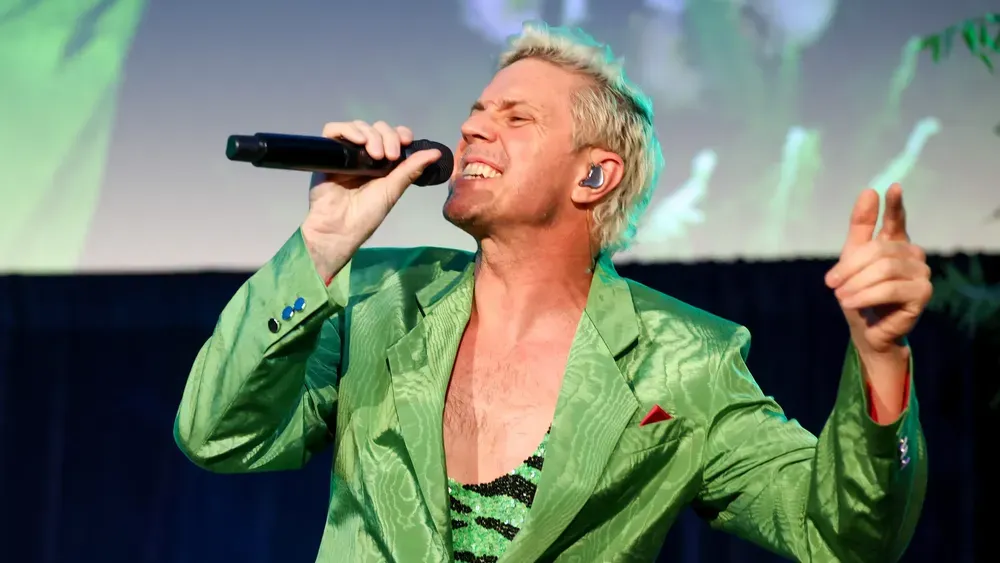
NEW YORK, NEW YORK - JUNE 07: Dylan Mulvaney attends The 79th Annual Tony Awards Green Room Presented By Cunard at Radio City Music Hall on June 07, 2026 in New York City. Photo Credit: Valerie Terranova
On Friday evening, July 24, 2026, President Donald Trump delivered a sprawling, rally-style speech at a rescheduled White House Correspondents’ Association dinner that targeted several media figures and recurring cultural themes. During the address, which was attended by hundreds of members of the press, the president turned his attention to CNN anchor Kaitlan Collins, mocking her professionalism and physical appearance shortly after she was recognized with a prestigious journalism award from the association. After remarking that Collins "never smiles" while looking toward her table, the president attempted a roast-style joke that drew significant silence from the room.
President Trump continued his critique by claiming that the collaboration had catastrophic financial consequences for the brand, asserting that Mulvaney cost the company "$35 billion in market cap" . He further characterized the three-year-old campaign as "the worst commercial ever made" and added that he "wouldn’t want to hire Dylan anytime soon" . Observers noted that the comparison was bewildering, as Collins and Mulvaney do not share a close physical resemblance .
Dylan Mulvaney’s Video Response
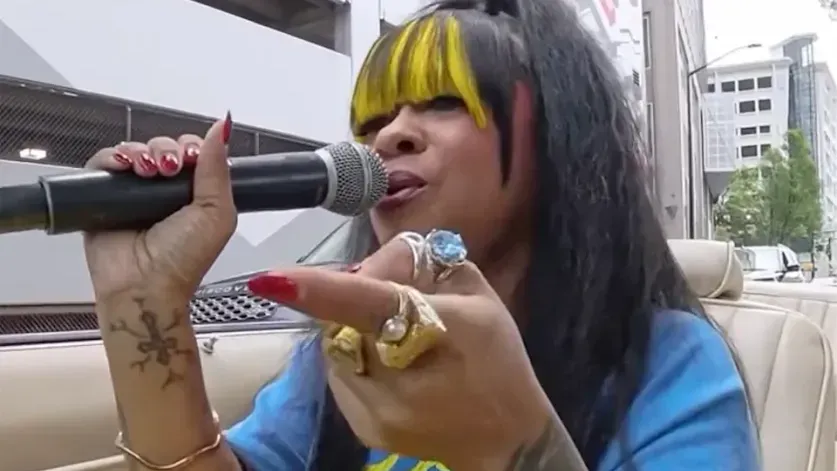
Dylan Mulvaney, who recently wrapped a high-profile theatrical run starring as Sally Bowles in a West End production of Cabaret, responded directly to the president’s comments in a video that quickly dominated digital discourse by Monday, July 27, 2026. In the video, Mulvaney noted that the president mentioned her name four times during his Friday night speech. She began by congratulating Kaitlan Collins on her professional achievements, stating she was "incredibly honored to be compared to her in any way" and expressing hope that Collins would continue her work.
Mulvaney remarked on the persistence of the political focus on her past work, observing that she had been "flying under the radar" recently but remained a "topic of conversation" for the president years after the original controversy . "It seems to me that I might be the one that got away for these men," Mulvaney said in the video, suggesting that she is "microchipped into their minds" . She framed the public criticism from the current administration as a "compliment," questioning why it remained a priority for the president to oppose her success .
A central theme of Mulvaney’s response was the concept of personal freedom . She argued that her detractors seek to use their power to infringe upon her freedom, yet failed to understand that her sense of self is not contingent on their approval . Mulvaney described her freedom as being "fully dependent on the moment that I acknowledged my real, authentic self," and concluded her message to the president by saying, "Thank you for reminding me that I am more powerful than I even knew" . She ended the clip by quoting artist Shea Diamond: "I am America" .
Escalation and Digital Discourse
The tension between the White House and the media escalated further on Sunday morning, July 26, when President Trump shared an A.I.-generated image on Truth Social depicting Kaitlan Collins as Dylan Mulvaney. The image edited Collins’ face onto imagery resembling Mulvaney’s original Bud Light social media post, setting off a wave of national news coverage heading into Monday. This digital escalation followed Collins’ own indirect response to the Friday night jokes.
On Saturday, Collins posted a quote from Eleanor Roosevelt on social media: "No one can make you feel inferior without your consent" . She also emphasized the importance of the First Amendment and the necessity of journalists asking powerful people uncomfortable questions . Despite the president’s continued focus on the comparison through Sunday, Collins has not directly addressed the A.I.-generated image .
Political Context and Transgender Advocacy
The decision to invoke Dylan Mulvaney’s name at the White House Correspondents’ Dinner highlights the ongoing use of transgender identities as a rhetorical device in modern political discourse . Mulvaney utilized her response to provide "action items" for her followers, urging them to support transgender and nonbinary people, particularly youth . She encouraged women to view comparisons to transgender women as a "medal" and told men that their attraction to transgender women should not be used as a tool for shame .
The event has reignited debates over the 2023 Bud Light partnership, which President Trump described at the dinner as causing a $35 billion loss in market capitalization—a figure that has been a frequent point of contention in political analysis of the brand’s performance . While the room’s reaction to the jokes was reported as largely silent or lukewarm, the subsequent viral spread of the exchange on social media platforms like Instagram and Facebook indicates the high level of public interest in the ongoing conflict between the administration and high-profile transgender advocates .
Mulvaney’s measured response has been praised by supporters for focusing on resilience and individual agency rather than escalating personal attacks . As the 2026 political cycle continues, the intersection of celebrity culture, digital media, and civil rights remains a potent element of the national conversation .
Copyright EDGE Media Network. All rights reserved. This material may not be published, broadcast, rewritten, or redistributed.