Gillian Anderson Discusses Secret Same-Sex Relationship During High School
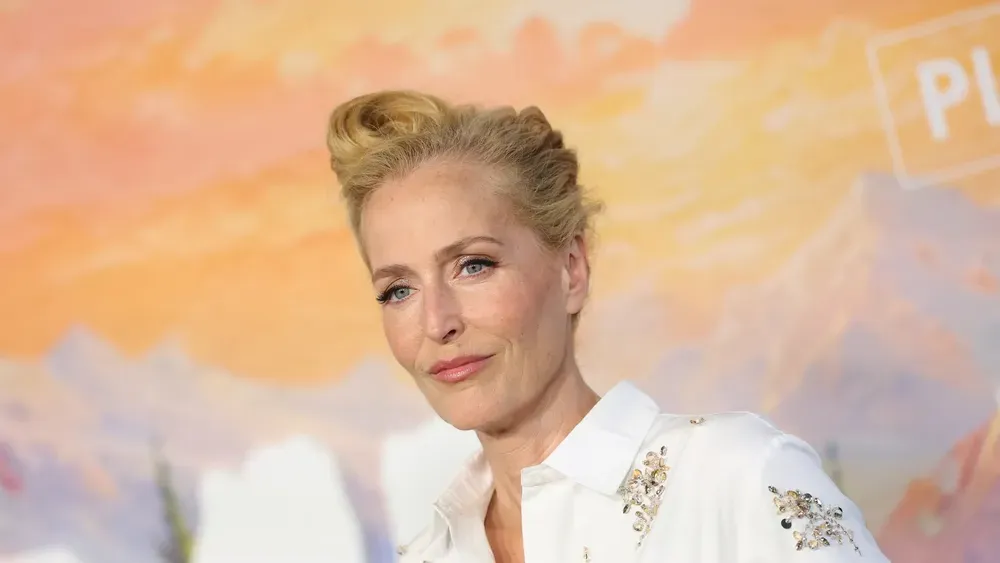
LOS ANGELES, CALIFORNIA - JULY 29: Gillian Anderson attends the premiere of "Teenage Sex And Death At Camp Miasma" at DGA Theater Complex on July 29, 2026 in Los Angeles, California. Photo Credit: Amy Sussman
by Chris Tremblay Aug 18
3 MIN READ
Gillian Anderson has revealed that one of her first relationships was with an older girl during high school, describing the romance as “secretive and illicit and wrong” because the couple believed they had to keep it hidden.
The actor said the relationship was later discovered by a boyfriend, who ended their relationship after learning about it.
The comments appeared in an interview with The Sunday Times published in August, as Anderson promoted *Teenage Sex and Death at Camp Miasma*, a horror film directed by Jane Schoenbrun.
Anderson’s account was reported by multiple outlets after the interview’s publication, including Page Six, PinkNews and Yahoo News.
According to the reports, Anderson said she did not think of herself as LGBTQ+ or gay during that period because she had also had relationships with boys.
Her comments describe a personal experience without assigning a label to her current identity. The reports likewise do not state that Anderson has publicly adopted a specific sexual-orientation label in connection with the latest interview.
The language Anderson used places the emphasis on secrecy and the reaction of people around her rather than on a claim that a same-sex relationship determined her identity. PinkNews reported that she said she had not possessed the language as a younger person to understand or describe her sexuality in the way people might today.
That distinction is important when reporting on a public figure’s earlier relationships: a person’s relationships, self-description and sexual orientation are related but not interchangeable facts. Anderson’s own account, as reported, does not provide grounds for assigning her an identity she has not claimed.
The recent comments echo Anderson’s earlier public discussion of relationships with women. In a 2012 interview with *Out*, she said she had been in a relationship with a girl for a long time during high school.
At the time, Anderson also said that most of her relationships had been with men and that she had not identified as “100 per cent” gay.
The 2012 coverage described Anderson’s comments as a discussion of sexual fluidity and personal choice, rather than an announcement that she was adopting a particular label.
The newer interview adds details about the atmosphere surrounding the high-school relationship, including Anderson’s description of it as something she and the other girl felt compelled to conceal.
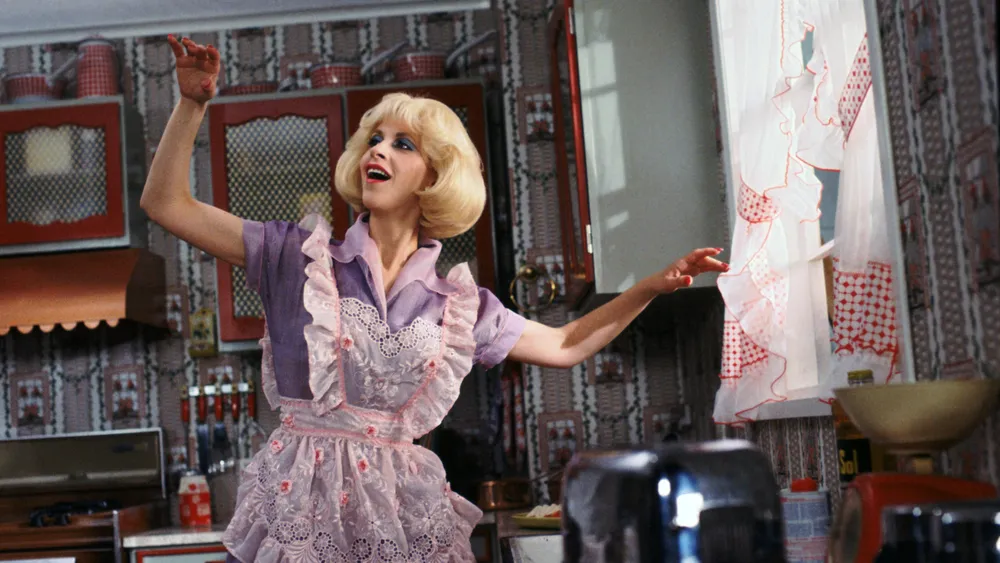
The disclosure came during a period in which Anderson has been discussing queer desire and teenage sexual exploration in connection with *Teenage Sex and Death at Camp Miasma*. The film stars Hannah Einbinder as Kris, a filmmaker involved in reviving a horror franchise, and Anderson as Billy Presley, a former star of the original film.
The Los Angeles Times reported that Anderson connected the film’s themes with her own experiences as a teenager, saying she had been with women during “a couple of moments” in her teen years.
In that interview, Anderson said she had not previously spoken much about those experiences and recalled feeling alone and different from other students at her high school.
The Los Angeles Times account did not identify the partner or provide the details later reported from The Sunday Times interview.
The film opened in limited release in the United States on Aug. 7, according to the Los Angeles Times.
The New York Times described Anderson’s casting as connected to her standing as a queer cultural figure, while its review characterized the film as engaging with LGBTQ+ representation in horror.
Anderson’s description of the relationship reflects the social environment she experienced as a teenager, when she believed the relationship would not be accepted and therefore kept it private.
The available reports do not establish that Anderson is describing a universally representative experience for LGBTQ+ young people, nor do they provide evidence about the private circumstances of the other person involved.
For that reason, the relationship is best reported as Anderson described it: a significant teenage same-sex relationship that she and her partner kept hidden, followed by a boyfriend’s decision to end their relationship after discovering it.
The disclosure also illustrates how Anderson’s public comments have developed over time: she first acknowledged a long relationship with a girl in high school in 2012, and has now spoken more directly about the secrecy and isolation surrounding that period.
The comments appeared in an interview with The Sunday Times published in August, as Anderson promoted *Teenage Sex and Death at Camp Miasma*, a horror film directed by Jane Schoenbrun.
Anderson’s account was reported by multiple outlets after the interview’s publication, including Page Six, PinkNews and Yahoo News.
What Anderson said about identity
According to the reports, Anderson said she did not think of herself as LGBTQ+ or gay during that period because she had also had relationships with boys.
Her comments describe a personal experience without assigning a label to her current identity. The reports likewise do not state that Anderson has publicly adopted a specific sexual-orientation label in connection with the latest interview.
The language Anderson used places the emphasis on secrecy and the reaction of people around her rather than on a claim that a same-sex relationship determined her identity. PinkNews reported that she said she had not possessed the language as a younger person to understand or describe her sexuality in the way people might today.
That distinction is important when reporting on a public figure’s earlier relationships: a person’s relationships, self-description and sexual orientation are related but not interchangeable facts. Anderson’s own account, as reported, does not provide grounds for assigning her an identity she has not claimed.
A disclosure with earlier precedent
The recent comments echo Anderson’s earlier public discussion of relationships with women. In a 2012 interview with *Out*, she said she had been in a relationship with a girl for a long time during high school.
At the time, Anderson also said that most of her relationships had been with men and that she had not identified as “100 per cent” gay.
The 2012 coverage described Anderson’s comments as a discussion of sexual fluidity and personal choice, rather than an announcement that she was adopting a particular label.
The newer interview adds details about the atmosphere surrounding the high-school relationship, including Anderson’s description of it as something she and the other girl felt compelled to conceal.
Connection to *Camp Miasma*
The disclosure came during a period in which Anderson has been discussing queer desire and teenage sexual exploration in connection with *Teenage Sex and Death at Camp Miasma*. The film stars Hannah Einbinder as Kris, a filmmaker involved in reviving a horror franchise, and Anderson as Billy Presley, a former star of the original film.
The Los Angeles Times reported that Anderson connected the film’s themes with her own experiences as a teenager, saying she had been with women during “a couple of moments” in her teen years.
In that interview, Anderson said she had not previously spoken much about those experiences and recalled feeling alone and different from other students at her high school.
The Los Angeles Times account did not identify the partner or provide the details later reported from The Sunday Times interview.
The film opened in limited release in the United States on Aug. 7, according to the Los Angeles Times.
The New York Times described Anderson’s casting as connected to her standing as a queer cultural figure, while its review characterized the film as engaging with LGBTQ+ representation in horror.
Why the wording matters
Anderson’s description of the relationship reflects the social environment she experienced as a teenager, when she believed the relationship would not be accepted and therefore kept it private.
The available reports do not establish that Anderson is describing a universally representative experience for LGBTQ+ young people, nor do they provide evidence about the private circumstances of the other person involved.
For that reason, the relationship is best reported as Anderson described it: a significant teenage same-sex relationship that she and her partner kept hidden, followed by a boyfriend’s decision to end their relationship after discovering it.
The disclosure also illustrates how Anderson’s public comments have developed over time: she first acknowledged a long relationship with a girl in high school in 2012, and has now spoken more directly about the secrecy and isolation surrounding that period.
Copyright EDGE Media Network. All rights reserved. This material may not be published, broadcast, rewritten, or redistributed.