Clay Aiken Says Rosie O’Donnell’s Defense On "The View" Left Him Feeling He “Died Inside”
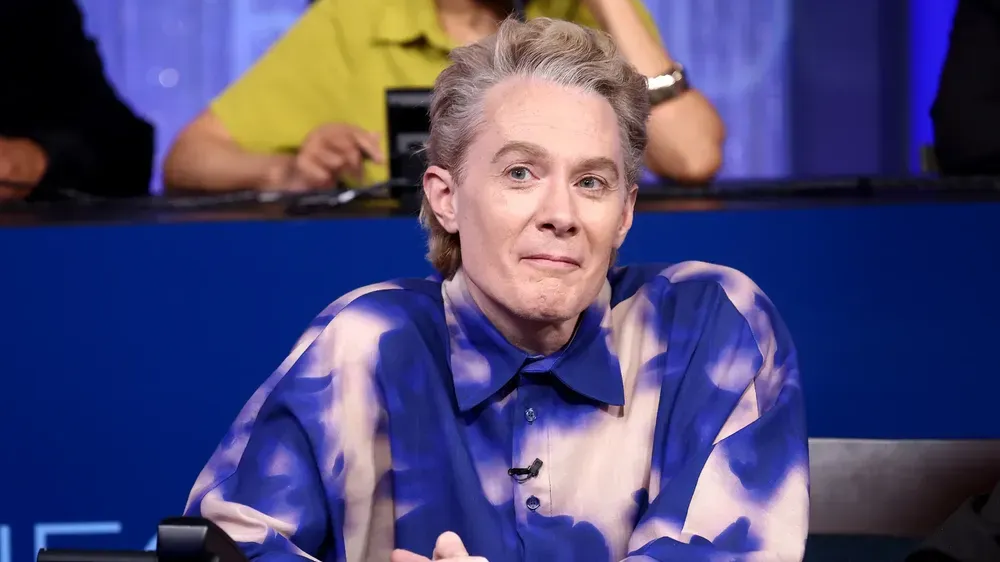
LOS ANGELES, CALIFORNIA - JUNE 27: Clay Aiken is seen onstage during Project Angel Food's Lead With Love 7 - A Fundraising Special On KTLA at KTLA 5 on June 27, 2026 in Los Angeles, California. Photo Credit: Tommaso Boddi
by Chris Tremblay Sep 18
3 MIN READ
Clay Aiken says he “died inside” after Rosie O’Donnell discussed his sexuality on The View in 2006, when he had not publicly come out.
Aiken, 47, described the incident during a Sept. 17 interview with Page Six Radio, revisiting a controversy that began with an appearance on Live with Regis and Kelly and escalated during a live discussion on The View.
“I died inside a lot that week,” Aiken told Page Six Radio host Evan Real. He also recalled being asleep in Los Angeles when the segment aired and being awakened by Jaymes Foster, the mother of his son.
“I got woken up by my son’s mother who said, ‘You need to wake up because Rosie just outed you on The View,’” Aiken said. “I woke up. I was freaked out,” he added.
The controversy stemmed from Aiken’s Nov. 17, 2006, appearance as a substitute for Regis Philbin on Live with Regis and Kelly. During the program, Aiken playfully placed his hand over Kelly Ripa’s mouth while attempting to speak to the guests.
Ripa objected to the gesture, calling it “a no-no.” Entertainment Weekly reported that Ripa also said, “I don’t know where that hand’s been, honey.”
Ripa addressed the incident again after Philbin returned to the program on Nov. 20, 2006. The following day, she called into *The View*, where O’Donnell defended Aiken and characterized Ripa’s response as homophobic.
“Now listen, to me that was a homophobic remark,” O’Donnell said on the program. She argued that Ripa might have reacted differently if the person involved had been a straight man or a man whose sexuality was not questioned.
Ripa called into the broadcast and described O’Donnell’s characterization as “outrageous.” Ripa said her objection concerned Aiken placing his hand over her mouth after he had been shaking hands with people in the audience, according to USA TODAY’s account.
During the new interview, Real referred to O’Donnell as having defended Aiken. Aiken corrected him: “You say defended, I say outed.”
Aiken had not publicly disclosed that he was gay at the time of the 2006 broadcast. He publicly came out in a September 2008 People magazine cover story, two years after the televised incident.
Aiken said he does not blame O’Donnell for what happened. “I don’t have any ill feelings against Rosie,” he said. “She did mean well.”
Aiken said O’Donnell’s words were chosen in the heat of the exchange and that she was caught off guard. O’Donnell’s representatives and Ripa’s representatives were contacted for comment by the outlets reporting on Aiken’s remarks.
The dispute unfolded on the same day that Aiken and actor Tori Spelling presented an award at the 2006 American Music Awards in Los Angeles.
Aiken said Spelling helped him respond publicly by suggesting that they make light of the situation during the ceremony. During their presentation, Spelling placed her hand over Aiken’s mouth and joked, “And I’ll tell you where that hand’s been later.”
USA TODAY reported that Aiken and Spelling used the awards appearance to spoof the controversy while presenting an award.
Aiken later described the period as “probably the most catastrophic week of my life” in a June interview on the Hollywood Raw podcast. In that account, he said he had felt unable to explain himself during the original television appearance and worried that he had upset Ripa.
Aiken said he sent Ripa flowers after the incident. He said Ripa later apologized for the controversy becoming overblown and told him she would welcome him back on the program.
Aiken said he attempted to return to the show but was not permitted to do so, adding that he had not pursued another appearance since.
Aiken told Page Six Radio that the 2006 episode rarely comes to mind, but that he had thought about it more during the three months before the interview because people had been asking him about it.
The renewed attention follows Aiken’s recent reflections on the controversy and does not represent a new public dispute between him, O’Donnell and Ripa, based on the reports available for this article.
Aiken’s account distinguishes between O’Donnell’s stated intention to defend him and the personal impact of discussing his sexuality publicly before he had chosen to do so himself. His comments also underscore that a person’s sexual orientation is theirs to disclose, regardless of whether another person believes a public reference is supportive or protective.
“I died inside a lot that week,” Aiken told Page Six Radio host Evan Real. He also recalled being asleep in Los Angeles when the segment aired and being awakened by Jaymes Foster, the mother of his son.
“I got woken up by my son’s mother who said, ‘You need to wake up because Rosie just outed you on The View,’” Aiken said. “I woke up. I was freaked out,” he added.
How the dispute began
The controversy stemmed from Aiken’s Nov. 17, 2006, appearance as a substitute for Regis Philbin on Live with Regis and Kelly. During the program, Aiken playfully placed his hand over Kelly Ripa’s mouth while attempting to speak to the guests.
Ripa objected to the gesture, calling it “a no-no.” Entertainment Weekly reported that Ripa also said, “I don’t know where that hand’s been, honey.”
Ripa addressed the incident again after Philbin returned to the program on Nov. 20, 2006. The following day, she called into *The View*, where O’Donnell defended Aiken and characterized Ripa’s response as homophobic.
“Now listen, to me that was a homophobic remark,” O’Donnell said on the program. She argued that Ripa might have reacted differently if the person involved had been a straight man or a man whose sexuality was not questioned.
Ripa called into the broadcast and described O’Donnell’s characterization as “outrageous.” Ripa said her objection concerned Aiken placing his hand over her mouth after he had been shaking hands with people in the audience, according to USA TODAY’s account.
“You say defended, I say outed”
During the new interview, Real referred to O’Donnell as having defended Aiken. Aiken corrected him: “You say defended, I say outed.”
Aiken had not publicly disclosed that he was gay at the time of the 2006 broadcast. He publicly came out in a September 2008 People magazine cover story, two years after the televised incident.
Aiken said he does not blame O’Donnell for what happened. “I don’t have any ill feelings against Rosie,” he said. “She did mean well.”
Aiken said O’Donnell’s words were chosen in the heat of the exchange and that she was caught off guard. O’Donnell’s representatives and Ripa’s representatives were contacted for comment by the outlets reporting on Aiken’s remarks.
Using humor to manage the fallout
The dispute unfolded on the same day that Aiken and actor Tori Spelling presented an award at the 2006 American Music Awards in Los Angeles.
Aiken said Spelling helped him respond publicly by suggesting that they make light of the situation during the ceremony. During their presentation, Spelling placed her hand over Aiken’s mouth and joked, “And I’ll tell you where that hand’s been later.”
USA TODAY reported that Aiken and Spelling used the awards appearance to spoof the controversy while presenting an award.
Aiken later described the period as “probably the most catastrophic week of my life” in a June interview on the Hollywood Raw podcast. In that account, he said he had felt unable to explain himself during the original television appearance and worried that he had upset Ripa.
Aiken said he sent Ripa flowers after the incident. He said Ripa later apologized for the controversy becoming overblown and told him she would welcome him back on the program.
Aiken said he attempted to return to the show but was not permitted to do so, adding that he had not pursued another appearance since.
Why he is discussing it now
Aiken told Page Six Radio that the 2006 episode rarely comes to mind, but that he had thought about it more during the three months before the interview because people had been asking him about it.
The renewed attention follows Aiken’s recent reflections on the controversy and does not represent a new public dispute between him, O’Donnell and Ripa, based on the reports available for this article.
Aiken’s account distinguishes between O’Donnell’s stated intention to defend him and the personal impact of discussing his sexuality publicly before he had chosen to do so himself. His comments also underscore that a person’s sexual orientation is theirs to disclose, regardless of whether another person believes a public reference is supportive or protective.
Copyright EDGE Media Network. All rights reserved. This material may not be published, broadcast, rewritten, or redistributed.