Nathan Lane Recounts Mother’s Devastating Response to His Coming Out: “I Would Rather You Were Dead”
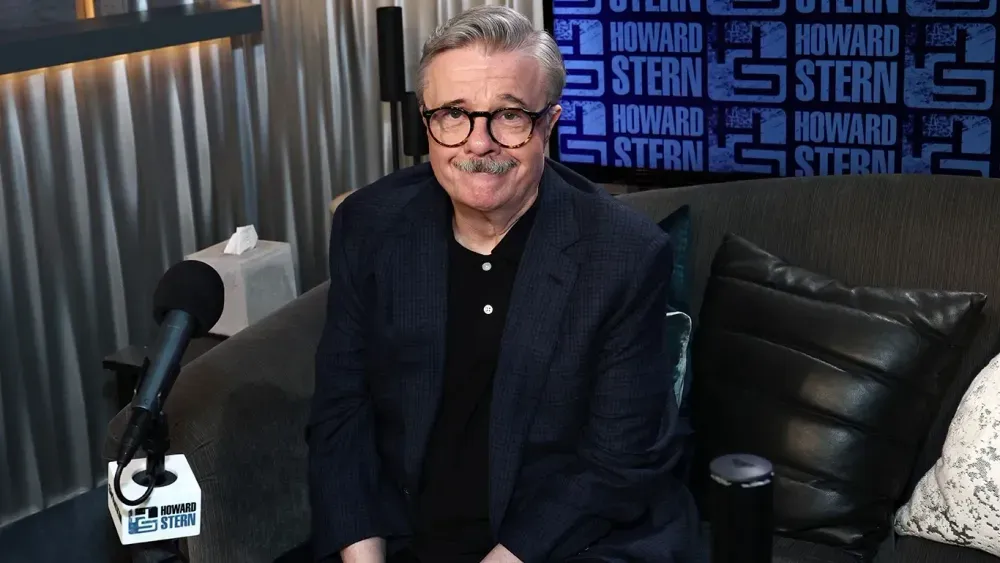
Photo Credit: Howard Stern
by Chris Tremblay Apr 23
5 MIN READ
Nathan Lane has revealed that when he came out as gay to his mother as a young man, she responded by telling him she would “rather were dead,” a memory he says remains one of the most difficult of his life. The Emmy- and Tony-winning actor shared the story in a recent appearance on SiriusXM’s The Howard Stern Show, describing both the courage it took to speak his truth and the generational attitudes that shaped his mother’s reaction.
Lane, now 70, told host Howard Stern that the conversation took place in the early 1980s, shortly before he left home to pursue an acting career in New York. He recalled that he had always valued honesty with his mother and did not want to leave for a new life in another city while continuing to hide that he was in a relationship with a man, even though she believed he was seeing a woman.
During the interview, Lane described sitting his mother down and telling her, “Look, I know you think I’ve been seeing a girl, but actually, I’ve been seeing a guy,” an admission that marked the first time he had directly discussed his sexual orientation with her. He said his mother responded by asking, “You mean you’re a homosexual?” a word he recalled never having heard used about himself in that way before, emphasizing how stark the term sounded in that moment.
Lane told Stern that he confirmed his mother’s question, replying, “Yeah, I guess so,” before she delivered the remark that has since resonated with many LGBTQ+ listeners: “I would rather you were dead.” According to Lane, her words were not shouted in anger but spoken with a kind of sadness, reflecting deep-seated stigma rather than overt hostility, even though the impact on him was profound.
He noted that he tried to defuse the pain of the moment with dark humor, quipping in response, “I knew you’d understand,” a line that elicited laughter from Stern and the studio audience when he recounted it decades later. Lane framed that joke as a way of coping with a deeply painful exchange, suggesting that humor has long been one of his tools for navigating difficult experiences as a gay man.
In the interview, Lane urged listeners to consider his mother’s reaction within the context of her upbringing and era, describing her as “not a sophisticated person in that way” and emphasizing that she belonged to “another generation.” He did not excuse the pain of her words but described them as reflecting the pervasive misinformation and prejudice about gay people that shaped many families’ responses to coming out in the late 20th century.
Lane also said the conversation was, at that time, the hardest thing he had ever done, underscoring how much emotional risk he felt in choosing to be open about his sexual orientation with his mother. He explained that he had hoped, at least on some level, that she might understand or accept him, and that this hope contributed to his decision to disclose the truth before moving away.
Reflecting on the experience, Lane indicated that he does not carry ongoing resentment toward his mother, reiterating that her response was rooted in the culture and information of her time rather than in a lack of love. At the same time, his account highlights the enduring emotional impact that family rejection or conditional acceptance can have on LGBTQ+ people, even when they go on to find affirmation in other parts of their lives.
Lane said that after he came out to his mother, he explicitly asked her not to tell his brothers, explaining that he wanted to choose the right time and circumstances to share the news himself. However, he recounted that she phoned them almost immediately, forcing him to confront their reactions sooner than he had planned and adding another layer of stress to an already fraught situation.
Lane described a long walk and conversation with his brother Dan, a teacher, who was largely understanding but still asked if Lane thought it might be “just a phase,” reflecting lingering misconceptions about sexual orientation. He recalled telling his brother that it was not a phase, affirming his identity as a gay man and reinforcing that his coming out was a considered, deeply personal truth rather than a temporary experiment.
Lane added that his other brother reacted more simply, telling him that he loved him regardless and appearing relatively unfazed by the news, an attitude Lane characterized as straightforward support. These contrasting responses within the same family illustrate the range of reactions that LGBTQ+ people may encounter when coming out, from confusion and concern to immediate affirmation.
Although Lane came out to his family decades earlier, he did not publicly come out as gay until 1999, three years after starring opposite Robin Williams in the 1996 film The Birdcage, which centered on a gay couple running a Miami nightclub. Reports note that during the promotional period for The Birdcage, Lane often fielded questions about his sexuality and the film’s themes, but he chose not to make a definitive public statement about his own identity at that time.
In recent years, Lane has spoken about feeling pressure during that era to keep his personal life separate from his professional image, a dynamic that many LGBTQ+ entertainers have described when reflecting on Hollywood in the 1990s. His eventual public coming out in 1999 coincided with a slowly changing entertainment landscape in which more gay actors and other LGBTQ+ public figures began to speak openly about their identities, though representation remained limited.
Lane’s career has since encompassed acclaimed roles on stage and screen, including his work in Only Murders in the Building and his earlier voice role as Timon in Disney’s The Lion King, underscoring that his visibility as a gay actor has unfolded alongside mainstream success. His recent decision to revisit his family’s reaction to his coming out on Stern’s show adds another layer to his public story, shifting focus from professional milestones to the private emotional realities behind them.
The details of Lane’s story—his mother’s words, his use of humor to cope, and his brothers’ mixed but ultimately supportive responses—have drawn significant attention on social media and in LGBTQ+ media outlets since the interview aired. Coverage has highlighted how closely his experience mirrors what many gay people and other LGBTQ+ individuals have faced when coming out to family members who were raised with limited or stigmatizing information about sexual orientation and gender diversity.
By choosing to describe the exchange in detail on a widely syndicated show, Lane has added his voice to a broader conversation about how family reactions can shape the lives of LGBTQ+ people, both in moments of rejection and in eventual acceptance. His account underscores the importance of affirming, person-first language and genuine support for gay, lesbian, bisexual, transgender, and queer people, especially within families, while acknowledging that some relatives may need time and education to move beyond ingrained prejudices.
“You mean you’re a homosexual?”
During the interview, Lane described sitting his mother down and telling her, “Look, I know you think I’ve been seeing a girl, but actually, I’ve been seeing a guy,” an admission that marked the first time he had directly discussed his sexual orientation with her. He said his mother responded by asking, “You mean you’re a homosexual?” a word he recalled never having heard used about himself in that way before, emphasizing how stark the term sounded in that moment.
Lane told Stern that he confirmed his mother’s question, replying, “Yeah, I guess so,” before she delivered the remark that has since resonated with many LGBTQ+ listeners: “I would rather you were dead.” According to Lane, her words were not shouted in anger but spoken with a kind of sadness, reflecting deep-seated stigma rather than overt hostility, even though the impact on him was profound.
He noted that he tried to defuse the pain of the moment with dark humor, quipping in response, “I knew you’d understand,” a line that elicited laughter from Stern and the studio audience when he recounted it decades later. Lane framed that joke as a way of coping with a deeply painful exchange, suggesting that humor has long been one of his tools for navigating difficult experiences as a gay man.
Generational attitudes and shifting understanding
In the interview, Lane urged listeners to consider his mother’s reaction within the context of her upbringing and era, describing her as “not a sophisticated person in that way” and emphasizing that she belonged to “another generation.” He did not excuse the pain of her words but described them as reflecting the pervasive misinformation and prejudice about gay people that shaped many families’ responses to coming out in the late 20th century.
Lane also said the conversation was, at that time, the hardest thing he had ever done, underscoring how much emotional risk he felt in choosing to be open about his sexual orientation with his mother. He explained that he had hoped, at least on some level, that she might understand or accept him, and that this hope contributed to his decision to disclose the truth before moving away.
Reflecting on the experience, Lane indicated that he does not carry ongoing resentment toward his mother, reiterating that her response was rooted in the culture and information of her time rather than in a lack of love. At the same time, his account highlights the enduring emotional impact that family rejection or conditional acceptance can have on LGBTQ+ people, even when they go on to find affirmation in other parts of their lives.
Brothers’ reactions and family dynamics
Lane said that after he came out to his mother, he explicitly asked her not to tell his brothers, explaining that he wanted to choose the right time and circumstances to share the news himself. However, he recounted that she phoned them almost immediately, forcing him to confront their reactions sooner than he had planned and adding another layer of stress to an already fraught situation.
Lane described a long walk and conversation with his brother Dan, a teacher, who was largely understanding but still asked if Lane thought it might be “just a phase,” reflecting lingering misconceptions about sexual orientation. He recalled telling his brother that it was not a phase, affirming his identity as a gay man and reinforcing that his coming out was a considered, deeply personal truth rather than a temporary experiment.
Lane added that his other brother reacted more simply, telling him that he loved him regardless and appearing relatively unfazed by the news, an attitude Lane characterized as straightforward support. These contrasting responses within the same family illustrate the range of reactions that LGBTQ+ people may encounter when coming out, from confusion and concern to immediate affirmation.
Public life, The Birdcage, and delayed public coming out
Although Lane came out to his family decades earlier, he did not publicly come out as gay until 1999, three years after starring opposite Robin Williams in the 1996 film The Birdcage, which centered on a gay couple running a Miami nightclub. Reports note that during the promotional period for The Birdcage, Lane often fielded questions about his sexuality and the film’s themes, but he chose not to make a definitive public statement about his own identity at that time.
In recent years, Lane has spoken about feeling pressure during that era to keep his personal life separate from his professional image, a dynamic that many LGBTQ+ entertainers have described when reflecting on Hollywood in the 1990s. His eventual public coming out in 1999 coincided with a slowly changing entertainment landscape in which more gay actors and other LGBTQ+ public figures began to speak openly about their identities, though representation remained limited.
Lane’s career has since encompassed acclaimed roles on stage and screen, including his work in Only Murders in the Building and his earlier voice role as Timon in Disney’s The Lion King, underscoring that his visibility as a gay actor has unfolded alongside mainstream success. His recent decision to revisit his family’s reaction to his coming out on Stern’s show adds another layer to his public story, shifting focus from professional milestones to the private emotional realities behind them.
Resonance for LGBTQ+ audiences
The details of Lane’s story—his mother’s words, his use of humor to cope, and his brothers’ mixed but ultimately supportive responses—have drawn significant attention on social media and in LGBTQ+ media outlets since the interview aired. Coverage has highlighted how closely his experience mirrors what many gay people and other LGBTQ+ individuals have faced when coming out to family members who were raised with limited or stigmatizing information about sexual orientation and gender diversity.
By choosing to describe the exchange in detail on a widely syndicated show, Lane has added his voice to a broader conversation about how family reactions can shape the lives of LGBTQ+ people, both in moments of rejection and in eventual acceptance. His account underscores the importance of affirming, person-first language and genuine support for gay, lesbian, bisexual, transgender, and queer people, especially within families, while acknowledging that some relatives may need time and education to move beyond ingrained prejudices.
Copyright EDGE Media Network. All rights reserved. This material may not be published, broadcast, rewritten, or redistributed.