‘Yellowstone’ Actor Q’orianka Kilcher Sues James Cameron and Disney, Alleging ‘Avatar’ Stole Her Face
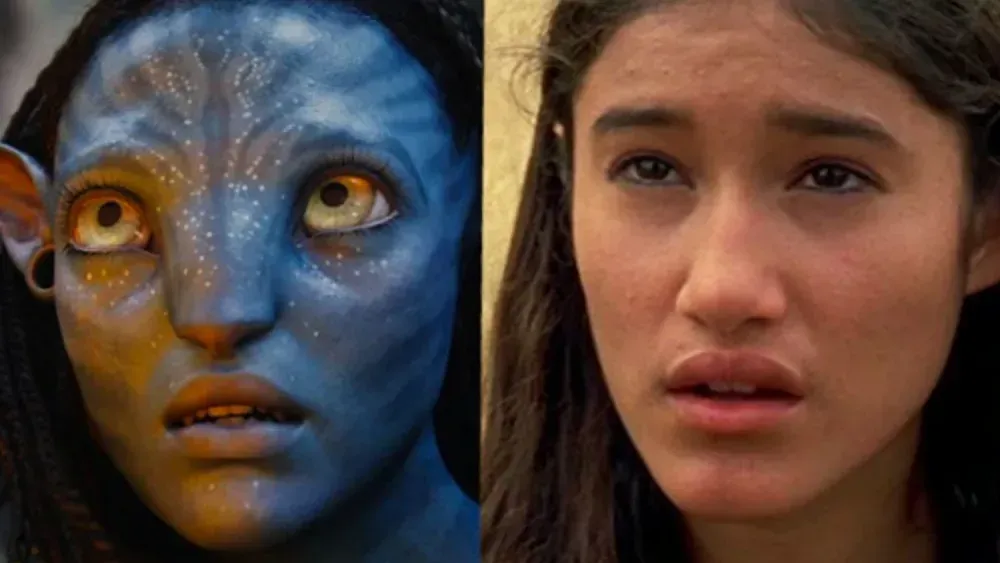
Photo Credit: US District Court
Actor Q’orianka Kilcher has filed a lawsuit in the U.S. District Court for the Central District of California alleging that filmmaker James Cameron and corporate defendants including The Walt Disney Company and related studios misappropriated her likeness to create the character Neytiri in the 2009 film “Avatar.” The Indigenous performer, who plays Angela Blue Thunder in the neo‑Western series “Yellowstone,” asserts that the design of Neytiri’s face was built from a photograph of her taken when she was about 14 years old and used without her knowledge or consent.
Allegations of “extraction,” not inspiration
Kilcher’s legal team frames the issue as one of exploitative appropriation, alleging that a powerful director and global studios took the unique facial geometry of a young Indigenous girl and transformed it into a multibillion‑dollar franchise element. In public statements cited in coverage of the suit, attorney Arnold P. Peter characterizes this process as “extraction” rather than mere artistic inspiration, arguing that Kilcher’s “unique biometric facial features” were processed through industrial pipelines to generate immense profits “without ever once asking her permission.”
Court filings reportedly claim that Cameron first rendered an early facial sketch of Neytiri directly from a specific photograph of Kilcher, then circulated that sketch in the art department with instructions to carry her features forward into subsequent sculptures and high‑definition digital models. The lawsuit asserts that these steps effectively embedded her adolescent face into the character’s design at every stage, while leaving the performer herself outside the project and its economic benefits.
The note, the sketch, and the “Avatar” meeting
According to the complaint, Kilcher did not fully realize the extent of the alleged use of her likeness until after “Avatar” became a global hit. She says that during a 2010 encounter with Cameron, he presented her with a signed sketch of Neytiri that he had drawn, accompanied by a note reading, “Your beauty was my early inspiration for Neytiri. Too bad you were shooting another movie. Next time.”
The lawsuit disputes the suggestion that she was unavailable due to other work, claiming that Kilcher’s agent had sought an audition for “Avatar” but that she was never given a chance to read for the role. Kilcher states that she initially viewed the sketch and note as a personal compliment and “loose inspiration” connected to her activism and prior work, but now believes they evidence a systematic incorporation of her face into a commercial design process that occurred without her informed consent.
Claims under likeness, publicity, and “deepfake” laws
The suit reportedly advances multiple causes of action, including common‑law misappropriation of likeness, violation of California’s statutory right of publicity, false light invasion of privacy, intrusion upon seclusion, public disclosure of private facts, defamation, negligence, unauthorized digital replica in explicit context, intentional interference with prospective economic advantage, and negligent misrepresentation. Legal analysis notes that Kilcher is also seeking relief under California’s “deepfake” statutes by arguing that the romantic and implied sexual scenes involving Neytiri amount to non‑consensual sexual depictions built from her digitized likeness.
Kilcher’s attorneys are asking the court for compensatory, statutory, punitive, and exemplary damages, as well as disgorgement of profits they say are attributable to the alleged unauthorized use of her identity. They also seek injunctive relief to halt any further distribution, display, or commercial utilization of what they describe as her likeness in “Avatar”‑related media, and a corrective public disclosure acknowledging that her facial features were used as a source model for Neytiri.
Cameron’s past comments and the studios’ silence
Reports note that Cameron has previously discussed Kilcher’s influence on Neytiri in media interviews, referencing a photograph of the young actor in an LA Times feature on “The New World” as a creative source. One cited video interview, which resurfaced on social media in late 2025, reportedly shows Cameron holding a sketch of Neytiri and naming Kilcher as the “actual source” for the image, a clip that Kilcher’s counsel says helped clarify the scope of the alleged use.
As of early May 2026, news outlets report that neither Cameron nor the corporate defendants, including Disney, 20th Century Studios, Industrial Light & Magic, and Weta Digital, have publicly responded to the specific allegations in the lawsuit. Coverage consistently emphasizes that the claims remain allegations and that no court has yet determined liability or issued findings of fact.
Indigenous identity, representation, and power
The complaint presents the dispute not only as a personal rights case but also as a matter of Indigenous identity and cultural representation in global media. Kilcher, who is of Native Peruvian and Indigenous descent and who has been vocal about Indigenous and environmental issues, argues in her statement that “Avatar” framed itself as sympathetic to Indigenous struggles while secretly leveraging the uncredited features of an Indigenous teenager behind the scenes.
Commentary within the filings and surrounding coverage suggests that the case may resonate with broader debates about how Hollywood tells stories about marginalized communities—including Indigenous, Black, and LGBTQ+ people—while historically concentrating economic and creative power in non‑marginalized hands. Advocates for more inclusive media have long argued that person‑first, consent‑centered practices are essential when drawing on the lived experiences and identities of communities that have been subject to historical erasure or stereotyping.
A test case for likeness and AI‑era image rights
Legal observers note that Kilcher’s claims intersect with emerging concerns about digital replicas, biometric identifiers, and the use of images of real people—often from their youth—in high‑budget visual effects workflows. The complaint describes what it calls a “production pipeline” in which a teenager’s facial structure was scanned, sculpted, and refined into a commercially valuable design, language that mirrors current debates over AI‑generated likenesses and “deepfake” technologies used in film, advertising, and social media.
The case also lands in the wake of recent Hollywood labor negotiations where performers, including many LGBTQ+ and other marginalized artists, raised alarms about long‑term control of their digitized bodies and faces. While this complaint focuses on an alleged appropriation that predates the most public AI debates, its framing around biometric “extraction” and non‑consensual sexualized depictions could influence how courts interpret consent and compensation when a person’s face or body is transformed into a fictional character.
What happens next
The lawsuit was filed on May 5, 2026, and will now proceed through the early stages of federal civil litigation, including potential motions to dismiss, discovery disputes, and any settlement discussions or public hearings. No trial date has been set, and there is currently no judicial ruling on the merits of Kilcher’s allegations or the defenses that Cameron and the studios may raise.
As the proceedings unfold, the case is likely to draw attention from performers’ unions, digital rights advocates, and communities concerned with fair representation, including Indigenous and LGBTQ+ people whose stories increasingly appear on screen while questions about control and consent remain unresolved. Until a court rules or the parties reach an agreement, all allegations in the complaint are unproven, and each side’s account of what happened will be tested against legal standards for likeness, publicity rights, and emerging norms around digital replicas.
Copyright EDGE Media Network. All rights reserved. This material may not be published, broadcast, rewritten, or redistributed.