Anderson Cooper Chokes Up as He Films His Final ‘60 Minutes’ Episode After 20 Years: ‘The Honor of a Life’

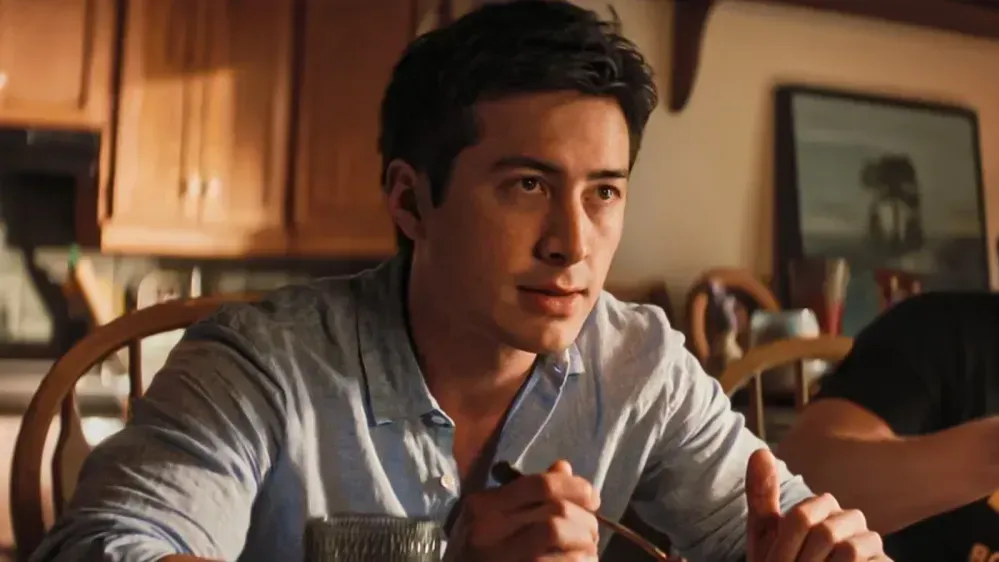
Photo Credit: CBS News
by Chris Tremblay May 19
4 MIN READ
Anderson Cooper has filmed his final segment for “60 Minutes,” marking the end of a two‑decade run on the long‑running CBS News magazine with a farewell that left him visibly emotional on camera. In a behind‑the‑scenes “60 Minutes Overtime” video released by CBS News, Cooper acknowledges to the crew, “This is my last shoot for ‘60 Minutes,’” and later reflects on his two decades with the program as “the honor of a life,” his voice catching as he speaks about leaving.
The farewell video, published on May 17 and tied to the show’s season finale, intercuts Cooper’s contemporary reflections with clips from some of his most memorable stories, underscoring how embedded he has become in the fabric of the broadcast since joining as a correspondent nearly 20 years ago. As he looks back on war zones, human‑rights investigations, and cultural profiles, he emphasizes that the work never felt like “a job” so much as a chance to step into other people’s lives and earn their trust.
Cooper’s emotional final shoot follows a February announcement that he would depart “60 Minutes” at the end of the 2025‑26 season to prioritize time with his young family while continuing his nightly duties at CNN. In a statement at the time, he said that being a correspondent on “60 Minutes” had been “one of the great honors” of his career, but that “I have little kids now and I want to spend as much time with them as possible, while they still want to spend time with me.”
Cooper, a single gay father to sons Wyatt and Sebastian born via surrogate, has spoken repeatedly in recent years about organizing his professional life around parenthood, including co‑parenting arrangements with his former partner Benjamin Maisani. In the new farewell video, he connects that decision directly to time away on “60 Minutes” shoots, recalling a cameraman’s story about the last time his child held his hand on the walk to school and admitting that he nearly cried thinking of his own four‑ and six‑year‑old sons back home.
Over the course of 20 seasons, Cooper built a reputation on “60 Minutes” for high‑risk reporting and deeply personal interviews that ranged from global conflict zones to intimate celebrity profiles. In the farewell montage, he recalls diving with Nile crocodiles, running out of oxygen underwater, riding jet skis through dangerous surf with big‑wave surfers, and suffering temporary blindness when UV light on a story burned his corneas, describing some of these choices as “among the stupidest things” he has done.
The video also revisits stories centered on human rights and accountability: a report from the Democratic Republic of Congo about sexual violence against women, a profile of Justice Defenders, a legal‑education program in African prisons, and a powerful interview with Holocaust survivor Irene Weiss, who told Cooper she still feels “stuck” as the 13‑year‑old girl who survived Auschwitz. Cooper describes these moments as instances when cameras “dissolve away” and a genuine one‑on‑one connection takes over, emphasizing that being invited into people’s homes and trauma is a profound responsibility.
In lighter segments, he interviewed artists and entertainers such as Lady Gaga and the late actor Donald Sutherland, whose recollection of a painful childhood comment about his looks stayed with Cooper as an example of how seemingly small moments can shape a life. He also highlighted stories of creativity and resilience, including musicians from Malawi and other parts of the Global South whose work might not otherwise have reached a global audience, framing them as “compelling characters” whose experiences deserved a platform.
In his farewell reflections, Cooper explains that “60 Minutes” was not just a job but a childhood fixation: he grew up watching the program with his family and memorizing the names of legendary correspondents like Mike Wallace, Morley Safer, Ed Bradley, and Bob Simon. He says he could barely believe it when he first walked the same hallways as those journalists, and later was given Bob Simon’s former office, where Simon’s daughter left a nearly empty bottle of scotch on the shelf as a keepsake he has never removed.
Cooper’s sign‑off also touches on the famously exacting standards of the broadcast, which he portrays as a place where every producer, camera operator, editor, and sound engineer is at the top of their profession and the bar to get a story on air is extremely high. For him, that rigor, along with the show’s independence and longstanding trust with viewers, is central to what “60 Minutes” represents in the media landscape, and he expresses hope that the program’s culture of meticulous reporting and storytelling will continue long after his departure.
Cooper’s last on‑air appearance as a “60 Minutes” correspondent coincided with the May 17 season finale, where he fronted a segment on London’s taxi industry and the rise of autonomous vehicle technology before the program and CBS shared the extended farewell package online. In that broadcast, he again closed with the show’s signature “I’m Anderson Cooper” line, repeating it as tradition dictates and, according to some accounts, appearing close to tears as he did so.
CBS News executives publicly praised Cooper when his departure plans were first announced, thanking him “for dedicating so much of his life to this broadcast” and affirming that they understood his desire to focus on family. While his regular work on “60 Minutes” is ending, reports in February indicated that he would complete pieces already in production before the season wrapped, and he will continue anchoring CNN’s “Anderson Cooper 360°,” where he has been a central on‑air presence for more than two decades.
For viewers who have followed Cooper across CNN and CBS, the farewell underscores how journalists who are also LGBTQ+ parents often balance highly visible careers with responsibilities at home, navigating decisions that weigh public roles against private caregiving. Cooper does not frame his choice through the lens of identity in the farewell video, but his comments about wanting to be present while his sons still “want to spend time” with him highlight a broader, widely shared priority among many working parents: protecting irreplaceable time with children even at the cost of a beloved, prestigious role.
Why Cooper is leaving now
Cooper’s emotional final shoot follows a February announcement that he would depart “60 Minutes” at the end of the 2025‑26 season to prioritize time with his young family while continuing his nightly duties at CNN. In a statement at the time, he said that being a correspondent on “60 Minutes” had been “one of the great honors” of his career, but that “I have little kids now and I want to spend as much time with them as possible, while they still want to spend time with me.”
Cooper, a single gay father to sons Wyatt and Sebastian born via surrogate, has spoken repeatedly in recent years about organizing his professional life around parenthood, including co‑parenting arrangements with his former partner Benjamin Maisani. In the new farewell video, he connects that decision directly to time away on “60 Minutes” shoots, recalling a cameraman’s story about the last time his child held his hand on the walk to school and admitting that he nearly cried thinking of his own four‑ and six‑year‑old sons back home.
Two decades of high‑risk, human‑centered reporting
Over the course of 20 seasons, Cooper built a reputation on “60 Minutes” for high‑risk reporting and deeply personal interviews that ranged from global conflict zones to intimate celebrity profiles. In the farewell montage, he recalls diving with Nile crocodiles, running out of oxygen underwater, riding jet skis through dangerous surf with big‑wave surfers, and suffering temporary blindness when UV light on a story burned his corneas, describing some of these choices as “among the stupidest things” he has done.
The video also revisits stories centered on human rights and accountability: a report from the Democratic Republic of Congo about sexual violence against women, a profile of Justice Defenders, a legal‑education program in African prisons, and a powerful interview with Holocaust survivor Irene Weiss, who told Cooper she still feels “stuck” as the 13‑year‑old girl who survived Auschwitz. Cooper describes these moments as instances when cameras “dissolve away” and a genuine one‑on‑one connection takes over, emphasizing that being invited into people’s homes and trauma is a profound responsibility.
In lighter segments, he interviewed artists and entertainers such as Lady Gaga and the late actor Donald Sutherland, whose recollection of a painful childhood comment about his looks stayed with Cooper as an example of how seemingly small moments can shape a life. He also highlighted stories of creativity and resilience, including musicians from Malawi and other parts of the Global South whose work might not otherwise have reached a global audience, framing them as “compelling characters” whose experiences deserved a platform.
A childhood dream realized — and let go
In his farewell reflections, Cooper explains that “60 Minutes” was not just a job but a childhood fixation: he grew up watching the program with his family and memorizing the names of legendary correspondents like Mike Wallace, Morley Safer, Ed Bradley, and Bob Simon. He says he could barely believe it when he first walked the same hallways as those journalists, and later was given Bob Simon’s former office, where Simon’s daughter left a nearly empty bottle of scotch on the shelf as a keepsake he has never removed.
Cooper’s sign‑off also touches on the famously exacting standards of the broadcast, which he portrays as a place where every producer, camera operator, editor, and sound engineer is at the top of their profession and the bar to get a story on air is extremely high. For him, that rigor, along with the show’s independence and longstanding trust with viewers, is central to what “60 Minutes” represents in the media landscape, and he expresses hope that the program’s culture of meticulous reporting and storytelling will continue long after his departure.
The final broadcast and what comes next
Cooper’s last on‑air appearance as a “60 Minutes” correspondent coincided with the May 17 season finale, where he fronted a segment on London’s taxi industry and the rise of autonomous vehicle technology before the program and CBS shared the extended farewell package online. In that broadcast, he again closed with the show’s signature “I’m Anderson Cooper” line, repeating it as tradition dictates and, according to some accounts, appearing close to tears as he did so.
CBS News executives publicly praised Cooper when his departure plans were first announced, thanking him “for dedicating so much of his life to this broadcast” and affirming that they understood his desire to focus on family. While his regular work on “60 Minutes” is ending, reports in February indicated that he would complete pieces already in production before the season wrapped, and he will continue anchoring CNN’s “Anderson Cooper 360°,” where he has been a central on‑air presence for more than two decades.
For viewers who have followed Cooper across CNN and CBS, the farewell underscores how journalists who are also LGBTQ+ parents often balance highly visible careers with responsibilities at home, navigating decisions that weigh public roles against private caregiving. Cooper does not frame his choice through the lens of identity in the farewell video, but his comments about wanting to be present while his sons still “want to spend time” with him highlight a broader, widely shared priority among many working parents: protecting irreplaceable time with children even at the cost of a beloved, prestigious role.
Copyright EDGE Media Network. All rights reserved. This material may not be published, broadcast, rewritten, or redistributed.