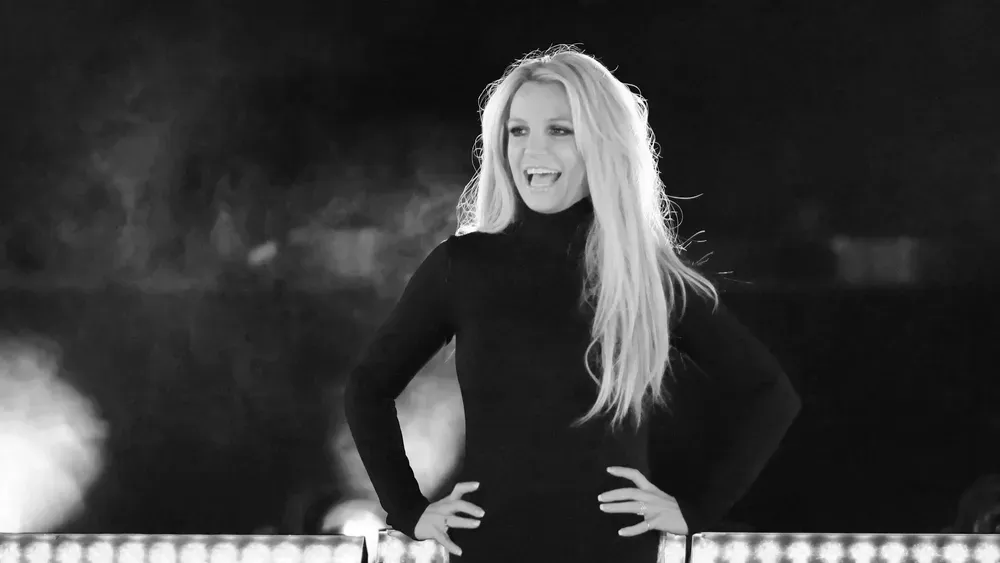
'Heated Rivalry' Star Hudson Williams Pulls Back from Social Media as Fans Rally Around His Boundaries
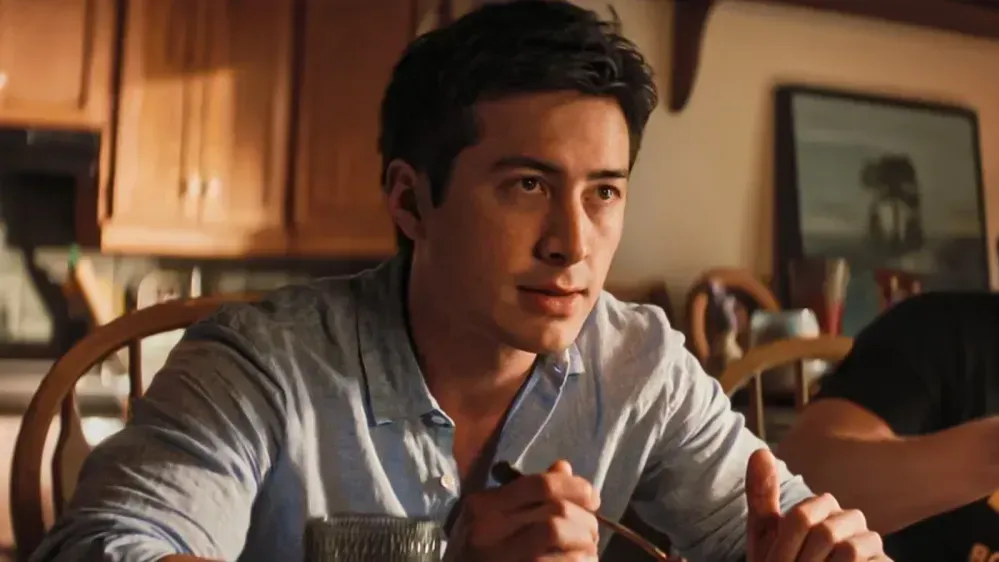
Photo Credit: HBO
by Chris Tremblay May 14
5 MIN READ
Hudson Williams, who plays Shane Hollander in the queer hockey drama Heated Rivalry, has unfollowed everyone on Instagram in what appears to be a deliberate step toward greater privacy. The move comes after a rapid rise from relative obscurity to international recognition for his work in the gay romance series, which has become a viral streaming hit and thrust the young actor into the center of online fandom culture.
Williams’ performance as a closeted hockey prodigy navigating a secret relationship with rival Ilya Rozanov has made him a prominent figure in contemporary LGBTQ-inclusive television. The series, adapted from Rachel Reid’s Game Changers novels, quickly found an audience on platforms such as HBO Max and Crave, helping elevate Williams to A‑list status within a matter of weeks.
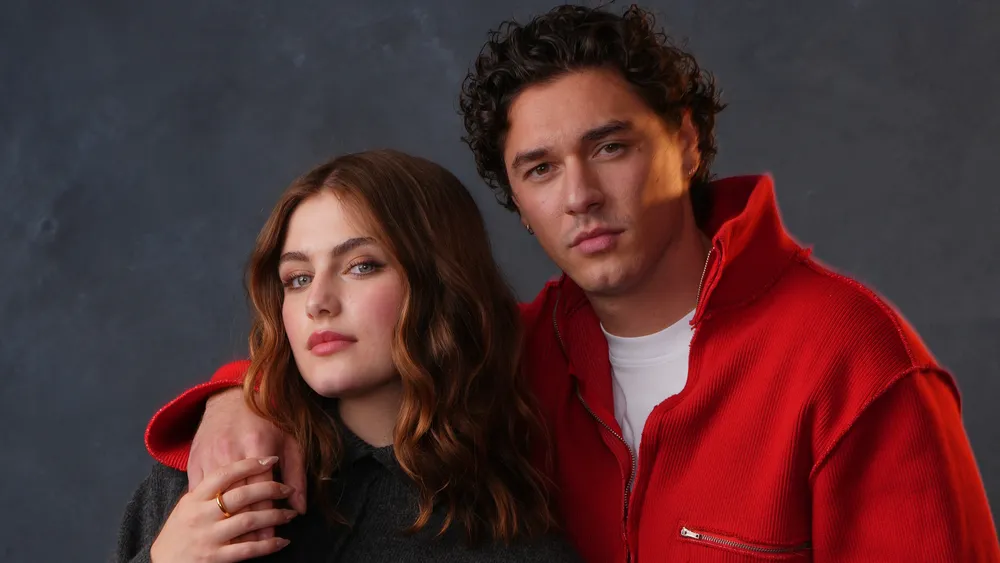
PinkNews reports that Williams has “taken a big step in his personal life,” describing his decision to unfollow every account on Instagram as a choice to be more private online. The outlet notes that co‑star Connor Storrie has made a similar change to his social media use, suggesting both leads are reassessing how they engage with fans in digital spaces.
The timing of Williams’ decision follows months of highly visible public appearances, including a debut at the Met Gala earlier in May, where he attended alongside Storrie. At the same time, his growing profile has coincided with intensifying online scrutiny, making a clean break from the constant feedback loop of social media a particularly **notable** personal boundary.
According to PinkNews, Heated Rivalry showrunner Jacob Tierney previously pushed back against racist abuse directed at Williams, publicly condemning the hostility some viewers were directing toward the actor. Members of the show’s cast also shared a statement criticizing personal attacks from a subset of so‑called fans, aligning themselves with Williams and calling for more respectful behavior in the fandom.
One widely circulated post on X, cited by PinkNews, described a “racist hate account with 10k followers,” alleged stalking of Williams in hotels and airports, and people “forcing him to state his sexuality,” while also referencing shippers ignoring his requests to stop certain behavior. Another fan comment highlighted by the outlet lamented that Williams “really did try for months” to be “down to earth and real,” but suggested that some people “can’t respect boundaries and put decency over their selfishness,” leading to a sense of loss within parts of the fandom.
While some fans have expressed sadness that Williams appears to be withdrawing from online spaces, PinkNews notes that many responses celebrate his decision as necessary for his wellbeing. One supporter wrote that they “support whatever Hudson needs to do to protect himself,” emphasizing that his “mental and emotional well-being is the utmost important” and urging others to “respect his decision.”
Another fan comment cited by the outlet captured a protective tone, urging Williams to “protect your peace and the boundaries you set” and assuring him that “your real fans will be supporting you and your art no matter what.” In balancing grief for a more open fan–artist relationship with understanding of why a boundary is needed, these reactions reflect a broader shift toward centering the safety and autonomy of public figures, including those involved in LGBTQ-themed storytelling.
PinkNews reports that Williams is in a relationship with Katelyn Rose Larson and that he has recently asked fans to stop shipping him with co‑star Connor Storrie, who plays his on‑screen love interest Ilya Rozanov. The coverage suggests that some fan behavior has blurred the line between fictional romance and Williams’ real life, amplifying the pressure he faces off‑screen.
This dynamic mirrors longstanding concerns in queer and queer-inclusive fandoms about how shipping, speculation over sexuality, and invasive commentary can undermine the agency of actors, regardless of how closely they may or may not identify with the roles they portray. In Williams’ case, the gap between the intimacy of his on‑screen relationship and his request for respect for his real‑life boundaries has become a flashpoint for debates about what responsible fan engagement should look like.
Separate reporting by International Business Times underscores how Williams has been voicing concerns about the psychological impact of sudden fame since at least January, offering additional context for his recent social media shift. In an interview on the Shut Up Evan podcast, he described feeling the “psychological toll” of meteoric success and said he and Storrie “had to learn in 30 days what many actors learn in five years,” referring to the intense professional demands and public scrutiny that followed the show’s breakout.
He recounted an incident at a Vancouver SkyTrain station where, while simply trying to buy lighter fluid, he experienced social anxiety for the first time since ninth grade and found himself mentally mapping escape routes. Williams described his new reality as “a different existence” in which he feels “very always on defence,” suggesting that the pressure extends beyond work into day‑to‑day tasks and public interactions.
In the International Business Times interview, Williams also criticized unsolicited paparazzi photos, noting that even when such images are not overtly “nefarious,” they often do not reflect the consent of the person being photographed. He suggested that this constant visibility can make it difficult for public figures to “disarm” or feel safe, framing the issue as one of human dignity rather than celebrity entitlement.
Set against the backdrop of Heated Rivalry’s success as a gay romance series, Williams’ decision to limit his Instagram interactions highlights the intersection between LGBTQ-inclusive media visibility and the vulnerability that can come with it. The show’s global reach, including audiences reportedly accessing it through unofficial channels in countries like Russia, underscores how queer storytelling can find viewers far beyond its original market, even as the people bringing those stories to life navigate complex public expectations.
Fan reactions collected by PinkNews suggest that Williams’ choice has become a moment of reflection for the Heated Rivalry community, which includes many LGBTQ+ people and allies who see themselves in the series’ characters and themes. Some fans have argued that the loss of a more personal connection with Williams on social media is a consequence of a minority who crossed boundaries, while others are using the moment to urge fellow viewers to prioritize empathy over entitlement.
Amid that debate, Williams’ step back from Instagram is being framed by supporters not as a rejection of the fandom, but as a necessary recalibration to protect his mental health and sense of safety. The conversation now taking shape around his decision touches on racism, harassment, parasocial attachment, and respect for the personal lives of actors who work on LGBTQ-inclusive projects, suggesting ongoing questions about how to celebrate such stories without harming the people who tell them.
The “huge personal step” on Instagram
PinkNews reports that Williams has “taken a big step in his personal life,” describing his decision to unfollow every account on Instagram as a choice to be more private online. The outlet notes that co‑star Connor Storrie has made a similar change to his social media use, suggesting both leads are reassessing how they engage with fans in digital spaces.
The timing of Williams’ decision follows months of highly visible public appearances, including a debut at the Met Gala earlier in May, where he attended alongside Storrie. At the same time, his growing profile has coincided with intensifying online scrutiny, making a clean break from the constant feedback loop of social media a particularly **notable** personal boundary.
Racism, harassment and the limits of fandom
According to PinkNews, Heated Rivalry showrunner Jacob Tierney previously pushed back against racist abuse directed at Williams, publicly condemning the hostility some viewers were directing toward the actor. Members of the show’s cast also shared a statement criticizing personal attacks from a subset of so‑called fans, aligning themselves with Williams and calling for more respectful behavior in the fandom.
One widely circulated post on X, cited by PinkNews, described a “racist hate account with 10k followers,” alleged stalking of Williams in hotels and airports, and people “forcing him to state his sexuality,” while also referencing shippers ignoring his requests to stop certain behavior. Another fan comment highlighted by the outlet lamented that Williams “really did try for months” to be “down to earth and real,” but suggested that some people “can’t respect boundaries and put decency over their selfishness,” leading to a sense of loss within parts of the fandom.
Fans respond with support and concern
While some fans have expressed sadness that Williams appears to be withdrawing from online spaces, PinkNews notes that many responses celebrate his decision as necessary for his wellbeing. One supporter wrote that they “support whatever Hudson needs to do to protect himself,” emphasizing that his “mental and emotional well-being is the utmost important” and urging others to “respect his decision.”
Another fan comment cited by the outlet captured a protective tone, urging Williams to “protect your peace and the boundaries you set” and assuring him that “your real fans will be supporting you and your art no matter what.” In balancing grief for a more open fan–artist relationship with understanding of why a boundary is needed, these reactions reflect a broader shift toward centering the safety and autonomy of public figures, including those involved in LGBTQ-themed storytelling.
A relationship pushed into the spotlight
PinkNews reports that Williams is in a relationship with Katelyn Rose Larson and that he has recently asked fans to stop shipping him with co‑star Connor Storrie, who plays his on‑screen love interest Ilya Rozanov. The coverage suggests that some fan behavior has blurred the line between fictional romance and Williams’ real life, amplifying the pressure he faces off‑screen.
This dynamic mirrors longstanding concerns in queer and queer-inclusive fandoms about how shipping, speculation over sexuality, and invasive commentary can undermine the agency of actors, regardless of how closely they may or may not identify with the roles they portray. In Williams’ case, the gap between the intimacy of his on‑screen relationship and his request for respect for his real‑life boundaries has become a flashpoint for debates about what responsible fan engagement should look like.
“Always on defence”: speaking openly about fame
Separate reporting by International Business Times underscores how Williams has been voicing concerns about the psychological impact of sudden fame since at least January, offering additional context for his recent social media shift. In an interview on the Shut Up Evan podcast, he described feeling the “psychological toll” of meteoric success and said he and Storrie “had to learn in 30 days what many actors learn in five years,” referring to the intense professional demands and public scrutiny that followed the show’s breakout.
He recounted an incident at a Vancouver SkyTrain station where, while simply trying to buy lighter fluid, he experienced social anxiety for the first time since ninth grade and found himself mentally mapping escape routes. Williams described his new reality as “a different existence” in which he feels “very always on defence,” suggesting that the pressure extends beyond work into day‑to‑day tasks and public interactions.
Privacy, consent and LGBTQ-inclusive storytelling
In the International Business Times interview, Williams also criticized unsolicited paparazzi photos, noting that even when such images are not overtly “nefarious,” they often do not reflect the consent of the person being photographed. He suggested that this constant visibility can make it difficult for public figures to “disarm” or feel safe, framing the issue as one of human dignity rather than celebrity entitlement.
Set against the backdrop of Heated Rivalry’s success as a gay romance series, Williams’ decision to limit his Instagram interactions highlights the intersection between LGBTQ-inclusive media visibility and the vulnerability that can come with it. The show’s global reach, including audiences reportedly accessing it through unofficial channels in countries like Russia, underscores how queer storytelling can find viewers far beyond its original market, even as the people bringing those stories to life navigate complex public expectations.
A fandom at a crossroads
Fan reactions collected by PinkNews suggest that Williams’ choice has become a moment of reflection for the Heated Rivalry community, which includes many LGBTQ+ people and allies who see themselves in the series’ characters and themes. Some fans have argued that the loss of a more personal connection with Williams on social media is a consequence of a minority who crossed boundaries, while others are using the moment to urge fellow viewers to prioritize empathy over entitlement.
Amid that debate, Williams’ step back from Instagram is being framed by supporters not as a rejection of the fandom, but as a necessary recalibration to protect his mental health and sense of safety. The conversation now taking shape around his decision touches on racism, harassment, parasocial attachment, and respect for the personal lives of actors who work on LGBTQ-inclusive projects, suggesting ongoing questions about how to celebrate such stories without harming the people who tell them.
Copyright EDGE Media Network. All rights reserved. This material may not be published, broadcast, rewritten, or redistributed.