Tim Bagley Says James Burrows’ “Empathy for LGBTQ People” Helped Transform Queer Visibility on Television
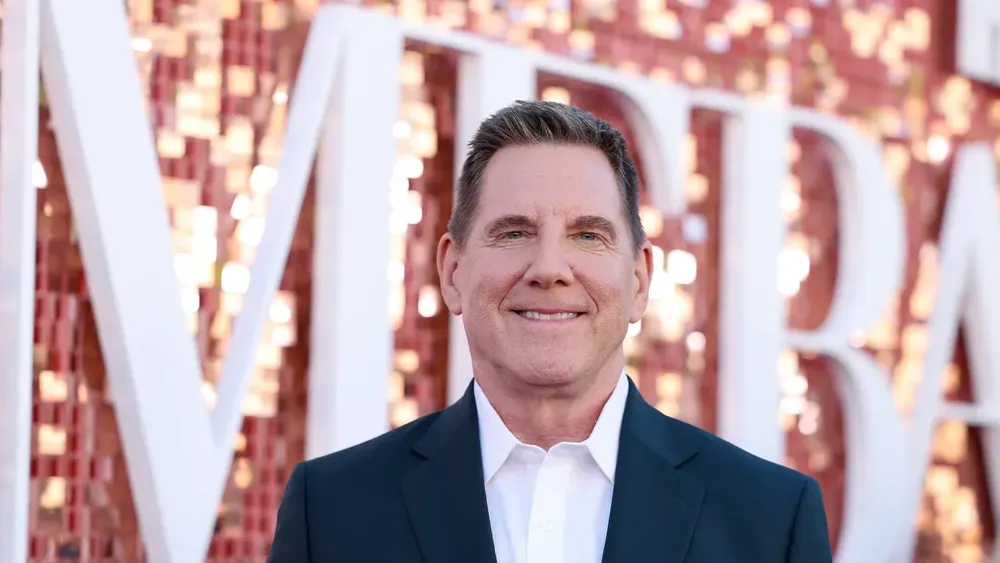
BEVERLY HILLS, CALIFORNIA - MARCH 19: Tim Bagley attends the Los Angeles Red Carpet Premiere of HBO Original Comedy Series "The Comeback" at the Wallis Annenberg Center for the Performing Arts on March 19, 2026 in Beverly Hills, California.Photo Credit: Araya Doheny
James Burrows, widely regarded as one of the most influential sitcom directors in U.S. television history, died on Friday at age 85, prompting an outpouring of tributes from actors, writers, and crews who worked with him over five decades. His directing résumé spans some of the most recognizable ensemble comedies on television, including Taxi, Cheers, Frasier, Friends, and Will & Grace, shows that collectively helped define what network comedy looked and sounded like for generations of viewers.
From “The Boys in the Bar” to “Will & Grace”
Bagley and Out magazine trace Burrows’ commitment to queer inclusion back to the early 1980s, when the director co‑created and directed Cheers and pushed for storylines that humanized gay characters in an era of intense cultural anxiety about LGBTQ visibility. In January 1983, Cheers aired “The Boys in the Bar,” an episode in which former Red Sox star Sam Malone stands by an old teammate who comes out as gay, a story that won a GLAAD Media Award and signaled that queer lives could be addressed with compassion and humor on a hit network show.
According to Out’s reporting, Burrows kept integrating gay, fluid, or queer‑coded characters into many of the biggest comedies he directed, insisting that they be treated as full human beings rather than one‑note punchlines. This included shaping one of network television’s early same‑sex weddings on Friends and bringing emotional warmth to queer‑adjacent storylines on Frasier, both of which introduced wider audiences to LGBTQ themes within familiar, mainstream formats.
Burrows’ most consequential work for LGBTQ representation, Bagley and other commentators suggest, came with Will & Grace, the NBC sitcom focused on a gay lawyer and his straight best friend that debuted in 1998, when a show built around an openly gay lead still represented a risk for network television. Burrows directed every episode—more than 240 in total—giving him extraordinary influence over how its gay and queer‑coded characters were depicted week after week.
“He really wanted to get it right”
Bagley tells Out that he believes Burrows took on the unusual workload of directing every Will & Grace episode in part because he understood the political and cultural stakes after Ellen DeGeneres’ earlier sitcom was canceled soon after its landmark coming‑out episode. “He really wanted to get it right,” Bagley recalls, describing Burrows as someone with “a real understanding and empathy for LGBTQ people” and “definitely an ally,” language that underscores how the director saw queer inclusion as a responsibility rather than a trend.
Bagley played Larry, one half of a gay couple raising an adopted child with his onscreen partner Joe, and he frames that storyline as a deliberate attempt to normalize an everyday queer family on a major network comedy. “We were hired to show the normalcy of a gay couple,” he says in the piece, emphasizing that Larry and Joe were written as people who play games and have arguments like any other couple, a choice he believes was designed to show there was “nothing to fear in seeing gay people together.”
That emphasis on ordinary intimacy echoes broader assessments of Will & Grace’s impact on public opinion about LGBTQ people, including earlier commentary by U.S. leaders and advocacy groups who have credited the series with humanizing gay characters for mainstream audiences. While Bagley’s latest comments center on his personal experience, they align with a longer‑running narrative that Burrows’ direction helped ensure those characters were funny, vulnerable, and relatable rather than reduced to stereotypes.
A relationship forged in the bleachers
Bagley’s connection to Burrows stretches back to the early years of Cheers, long before he joined Will & Grace, and began with a job that placed him in the studio bleachers rather than under the lights. As an NBC page fresh out of college, Bagley spent his shifts seating audience members and watching Burrows direct live tapings, an experience he describes as an informal apprenticeship that taught him how a multi‑camera sitcom works at a granular level.
He recalls Burrows stopping rehearsals mid‑scene to move a wastebasket by a few inches or using his foot to shift a camera, gestures that illustrated how sensitive the director was to composition, timing, and audience response. That eye for detail extended to performers, Bagley says, explaining that Burrows preferred actors who came prepared and only intervened when he needed something specific, a working style that encouraged trust and autonomy on set.
When Bagley eventually joined Will & Grace as a recurring cast member, he had already internalized Burrows’ rhythms well enough to know when to seek feedback and when to rely on his own instincts. He says that when Burrows did offer a note—such as giving a precise instruction to “slam your hand on the table to emphasize your last word, then run out”—it often resulted in a bigger laugh from the audience, even if the logic behind the direction was not immediately obvious.
Kindness, mentorship, and a rare compliment
Bagley’s recollections also highlight how Burrows used his position to open doors for colleagues behind the camera, including fellow NBC page Pete Chakos, whom he quietly mentored into a long‑term role as his editor. Chakos went on to win multiple Emmy Awards for his editing work, a career path that Bagley describes as a “small, well‑known kindness” that reflected Burrows’ broader commitment to nurturing talent.
In a separate tribute, Entertainment Weekly notes that Bagley remembered how Burrows’ guidance extended to his craft and confidence as an actor, recalling specific directions and speeches that made him feel “exceptionally valued and talented.” Bagley tells Out that one of his most vivid memories is from his first Will & Grace table read, when Burrows turned to him and said, “You do what you do, and nobody else can do what you do, Tim,” a rare compliment from a director who “didn’t hand out praise like that very often.”
The encouragement hit so hard that Bagley froze, looked down at the table, and needed a discreet kick from castmate Sean Hayes to recover and say thank you, a reaction he later explained as genuine overwhelm rather than modesty. For Bagley, the moment encapsulated how meaningful it was to receive affirmation from someone he had quietly studied since his days as a page watching Cheers from the bleachers.
Final years and “Mid-Century Modern”
Burrows continued to work well into his later years, bringing his sensibility to new projects that again centered queer lives, including the Hulu comedy Mid‑Century Modern, about three gay friends navigating life and relationships in their later years. Bagley, who appeared in that series, says Burrows believed the show was canceled because “the world just didn’t want to hear about it,” a conclusion that left the director saddened about the limits of current appetite for stories about older gay characters.
In one of his last onscreen appearances, Burrows played a fictionalized version of himself—a director called “Jimmy”—on HBO’s The Comeback, starring Lisa Kudrow, where he delivered a monologue about walking away from an AI‑written sitcom pilot because a machine could not replace the specific lived experiences of diverse writers. Bagley recalls Burrows describing archetypal writers in that speech—“the gay writer, the chubby overweight guy, the angry girl”—to underline that artificial intelligence could not replicate the nuance and perspective those individuals brought to their work, a sentiment that observers say now reads as a summation of Burrows’ respect for creative labor.
Bagley notes that by this period Burrows appeared more physically fragile and mentioned ongoing health issues, though he remained determined to show up and do the work. When Bagley offered to help him run lines for The Comeback, Burrows declined with a light assurance that his wife typically rehearsed with him, signaling both his continued professionalism and the private support system around him in his final years.
Rewriting what “safe” looks like on TV
Through Bagley’s account, a broader portrait of Burrows emerges: a director who used one of the most risk‑averse forms in U.S. entertainment—the multi‑camera sitcom—to make gay characters visible, sympathetic, and funny long before such portrayals were standard in Hollywood. Bagley stresses that Burrows achieved this not through after‑school‑special speeches, but by insisting that queer characters be written as complex people whose relationships, jokes, and conflicts occupied the same emotional terrain as their straight counterparts.
Colleagues quoted by Entertainment Weekly describe Burrows as “precise,” “generous,” and deeply invested in getting the performances right, characteristics that align with Bagley’s portrayal of a director who adjusted props and camera angles with the same care he applied to character arcs and comedic beats. Bagley concludes that Burrows “loved writers” and “loved actors,” and that this affection translated into sets where LGBTQ performers could bring their full selves to roles that reached millions of homes, even when broader industry structures still treated queer visibility as a gamble.
In an era when debates over who gets seen and how remain central to conversations about representation, Bagley’s tribute repositions Burrows’ body of work as not just a string of hit shows, but as an extended experiment in using laughter and warmth to shift attitudes toward LGBTQ people. “He was a very sweet, generous, kind man,” Bagley says of the director he first watched from the bleachers and later worked alongside as a colleague, adding that Burrows was “definitely an ally who really walked the walk” when it came to portraying queer lives on screen.
Copyright EDGE Media Network. All rights reserved. This material may not be published, broadcast, rewritten, or redistributed.