Jennifer Coolidge Jokes She ‘Stupidly Thought’ She Was Auditioning to Play Elle Woods in 'Legally Blonde'
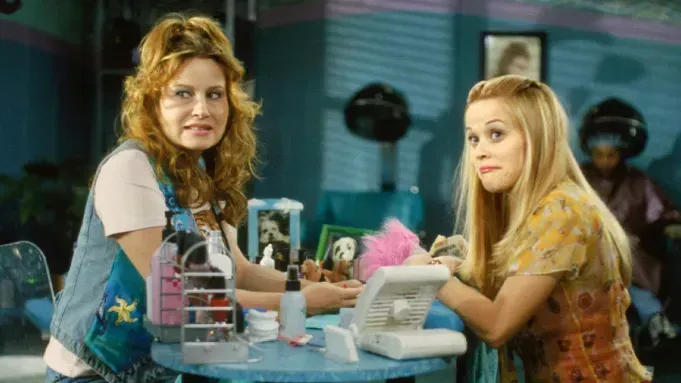
Photo Credit: Amazon MGM
by Chris Tremblay Jun 23
4 MIN READ
Jennifer Coolidge has shared a new anecdote about her early days with Legally Blonde, admitting that she once “stupidly” thought she was auditioning to play Elle Woods instead of the beloved manicurist Paulette Bonafonté. The story emerged during a recent anniversary panel, where Coolidge revisited her path into the 2001 comedy that helped cement her status as a scene‑stealing character actor.
Speaking to an audience gathered to celebrate 25 years of Legally Blonde, Coolidge said she felt “incredibly fortunate” to be cast in the film, which she described as one of her favorite jobs, before gently poking fun at herself. She then confessed, with a laugh, that she had originally believed her audition would put her in contention for Elle, the iconic sorority‑girl‑turned‑law‑student role ultimately played by Reese Witherspoon.
Coolidge’s anecdote centers on a misunderstanding—played for laughs—about which character she was reading for back when Legally Blonde was still being cast. During the panel, she recalled thinking during the audition process that she might be stepping into the lead role, even as the project was clearly tracking Witherspoon as its central star.
“I was incredibly fortunate to be cast in this film, and it remains one of my all‑time favorite jobs,” she told fans, before adding that she “foolishly believed” she was going to be Elle when she first auditioned. Coverage of the event from entertainment outlets described the remark as a humorous aside that fit squarely with Coolidge’s signature self‑deprecating comedy style, rather than a serious complaint about casting decisions.
Coolidge also joked that she “forgot” she was “only 17” when filming began, a line that drew additional laughter precisely because she was in her late 30s and early 40s during production. Commenters and reporters alike have framed those lines as part of a comic persona that leans into exaggerated timelines and improbable claims, rather than factual recollections of her age.
In the finished film, Coolidge plays Paulette Bonafonté, a shy yet warmhearted nail technician who becomes one of Elle Woods’ closest friends and confidantes as Elle navigates Harvard Law School and her own journey toward self‑respect. The role gave Coolidge some of the movie’s most quoted moments, including her participation in the “bend and snap” scene, which has since become a camp favorite in LGBTQ+ and pop‑culture circles.
Over time, Paulette’s arc—finding confidence, asserting boundaries, and embracing her own desires—has resonated with audiences who see echoes of their experiences in her shift from self‑doubt to self‑advocacy. While Legally Blonde is not primarily framed as an LGBTQ+ story, its themes of challenging stereotypes and reclaiming narratives have made it a touchstone across queer communities and among many transgender and nonbinary fans who identify with Elle’s insistence on being taken seriously on her own terms.
Coolidge’s career trajectory since Legally Blonde has also reinforced her status as a queer‑audience favorite, with later roles in projects like Best in Show, A Mighty Wind, and The White Lotus intersecting with viewers who appreciate character‑driven comedy and camp sensibility. Her willingness to revisit Paulette—in projects ranging from promotional reunions to pop‑culture homages—has kept the character in circulation for younger generations of viewers discovering the film on streaming platforms.
Coolidge’s recent comments came amid a broader wave of Legally Blonde nostalgia, as cast members reunited around the franchise’s 25th anniversary and new projects tied to the property moved forward. At a reunion event, Reese Witherspoon and other key players looked back on the film’s enduring impact and teased what is next for the pink‑saturated universe that started with Elle Woods’ Harvard application video.
The newest chapter is Elle, a Prime Video prequel series that will center on Elle Woods’ life before law school, with actor Lexi Minetree stepping into the lead role. In an interview, Minetree described how she recreated Elle’s famous homemade Harvard admissions tape—complete with a pink bikini and a multi‑interest montage—as part of her own audition tape for the prequel, underscoring just how deeply the original film’s imagery has permeated pop culture.
During an Elle‑related event hosted by Prime Video, Coolidge’s anecdote about thinking she might be playing Elle Woods served as an organic bridge between the original film and the new series. Reports indicate that she framed her remarks as part reflection and part comedy set, expressing gratitude for her role while joking about the mismatched expectations she had decades ago.
Coolidge’s blend of heartfelt appreciation and wry self‑mockery aligns with a long‑running public persona that has resonated especially strongly with LGBTQ+ audiences. In previous interviews, she has acknowledged how younger fans—many of them queer or questioning—discovered her work through projects like Ariana Grande’s “thank u, next” video, where she reprised Paulette and leaned into the heightened, campy tone of the homage.
For many LGBTQ+ viewers, the Legally Blonde universe functions as a kind of affirming fantasy space where characters are rewarded for authenticity, mutual support, and chosen‑family dynamics rather than conformity. Coolidge’s updated story about once believing she might play Elle, only to find her way to Paulette, adds another layer to that narrative: a reminder that sometimes a supporting role can become the emotional center of a story for audiences who see themselves in its quieter arcs.
While current coverage of her remarks has focused mainly on the humor of the misunderstanding, it also highlights how revisiting older projects can open space for re‑interpreting characters through more inclusive, person‑first lenses. For transgender, nonbinary, and gender‑expansive viewers who may have grown up with the film, the continuing visibility of characters like Elle and Paulette—now reframed in anniversary panels and prequel launches—offers an opportunity to claim Legally Blonde as part of a broader, evolving queer‑aligned canon, even if the original script did not explicitly center LGBTQ+ storylines.
‘I foolishly believed I was going to be Elle’
Coolidge’s anecdote centers on a misunderstanding—played for laughs—about which character she was reading for back when Legally Blonde was still being cast. During the panel, she recalled thinking during the audition process that she might be stepping into the lead role, even as the project was clearly tracking Witherspoon as its central star.
“I was incredibly fortunate to be cast in this film, and it remains one of my all‑time favorite jobs,” she told fans, before adding that she “foolishly believed” she was going to be Elle when she first auditioned. Coverage of the event from entertainment outlets described the remark as a humorous aside that fit squarely with Coolidge’s signature self‑deprecating comedy style, rather than a serious complaint about casting decisions.
Coolidge also joked that she “forgot” she was “only 17” when filming began, a line that drew additional laughter precisely because she was in her late 30s and early 40s during production. Commenters and reporters alike have framed those lines as part of a comic persona that leans into exaggerated timelines and improbable claims, rather than factual recollections of her age.
Paulette’s lasting legacy in Legally Blonde
In the finished film, Coolidge plays Paulette Bonafonté, a shy yet warmhearted nail technician who becomes one of Elle Woods’ closest friends and confidantes as Elle navigates Harvard Law School and her own journey toward self‑respect. The role gave Coolidge some of the movie’s most quoted moments, including her participation in the “bend and snap” scene, which has since become a camp favorite in LGBTQ+ and pop‑culture circles.
Over time, Paulette’s arc—finding confidence, asserting boundaries, and embracing her own desires—has resonated with audiences who see echoes of their experiences in her shift from self‑doubt to self‑advocacy. While Legally Blonde is not primarily framed as an LGBTQ+ story, its themes of challenging stereotypes and reclaiming narratives have made it a touchstone across queer communities and among many transgender and nonbinary fans who identify with Elle’s insistence on being taken seriously on her own terms.
Coolidge’s career trajectory since Legally Blonde has also reinforced her status as a queer‑audience favorite, with later roles in projects like Best in Show, A Mighty Wind, and The White Lotus intersecting with viewers who appreciate character‑driven comedy and camp sensibility. Her willingness to revisit Paulette—in projects ranging from promotional reunions to pop‑culture homages—has kept the character in circulation for younger generations of viewers discovering the film on streaming platforms.
Reunion energy and the Elle prequel
Coolidge’s recent comments came amid a broader wave of Legally Blonde nostalgia, as cast members reunited around the franchise’s 25th anniversary and new projects tied to the property moved forward. At a reunion event, Reese Witherspoon and other key players looked back on the film’s enduring impact and teased what is next for the pink‑saturated universe that started with Elle Woods’ Harvard application video.
The newest chapter is Elle, a Prime Video prequel series that will center on Elle Woods’ life before law school, with actor Lexi Minetree stepping into the lead role. In an interview, Minetree described how she recreated Elle’s famous homemade Harvard admissions tape—complete with a pink bikini and a multi‑interest montage—as part of her own audition tape for the prequel, underscoring just how deeply the original film’s imagery has permeated pop culture.
During an Elle‑related event hosted by Prime Video, Coolidge’s anecdote about thinking she might be playing Elle Woods served as an organic bridge between the original film and the new series. Reports indicate that she framed her remarks as part reflection and part comedy set, expressing gratitude for her role while joking about the mismatched expectations she had decades ago.
Humor, camp, and queer‑inclusive nostalgia
Coolidge’s blend of heartfelt appreciation and wry self‑mockery aligns with a long‑running public persona that has resonated especially strongly with LGBTQ+ audiences. In previous interviews, she has acknowledged how younger fans—many of them queer or questioning—discovered her work through projects like Ariana Grande’s “thank u, next” video, where she reprised Paulette and leaned into the heightened, campy tone of the homage.
For many LGBTQ+ viewers, the Legally Blonde universe functions as a kind of affirming fantasy space where characters are rewarded for authenticity, mutual support, and chosen‑family dynamics rather than conformity. Coolidge’s updated story about once believing she might play Elle, only to find her way to Paulette, adds another layer to that narrative: a reminder that sometimes a supporting role can become the emotional center of a story for audiences who see themselves in its quieter arcs.
While current coverage of her remarks has focused mainly on the humor of the misunderstanding, it also highlights how revisiting older projects can open space for re‑interpreting characters through more inclusive, person‑first lenses. For transgender, nonbinary, and gender‑expansive viewers who may have grown up with the film, the continuing visibility of characters like Elle and Paulette—now reframed in anniversary panels and prequel launches—offers an opportunity to claim Legally Blonde as part of a broader, evolving queer‑aligned canon, even if the original script did not explicitly center LGBTQ+ storylines.
Copyright EDGE Media Network. All rights reserved. This material may not be published, broadcast, rewritten, or redistributed.