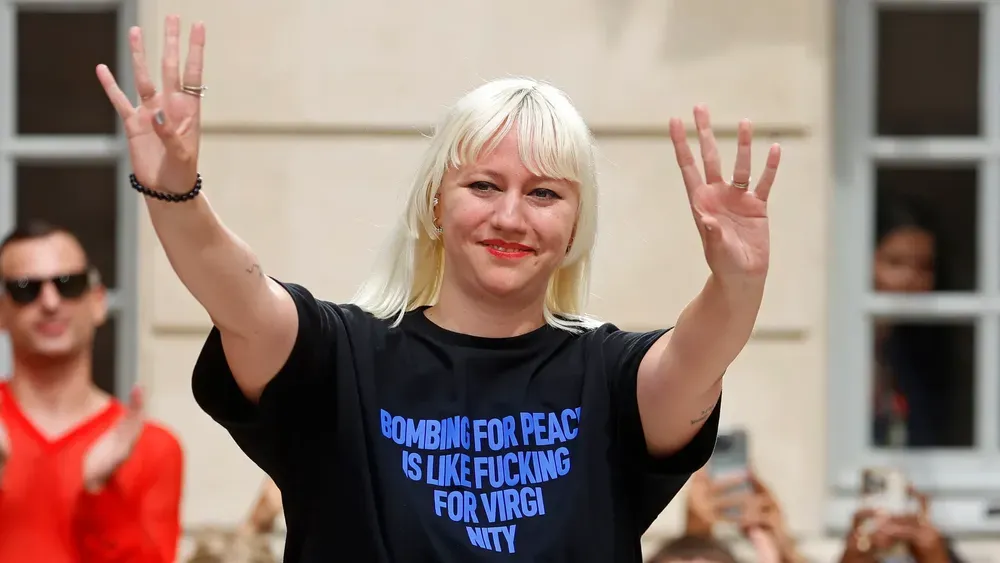
Wil Wheaton and Hollywood Peers Criticize Dwayne Johnson's 'Cowardly' Stance on Political Neutrality
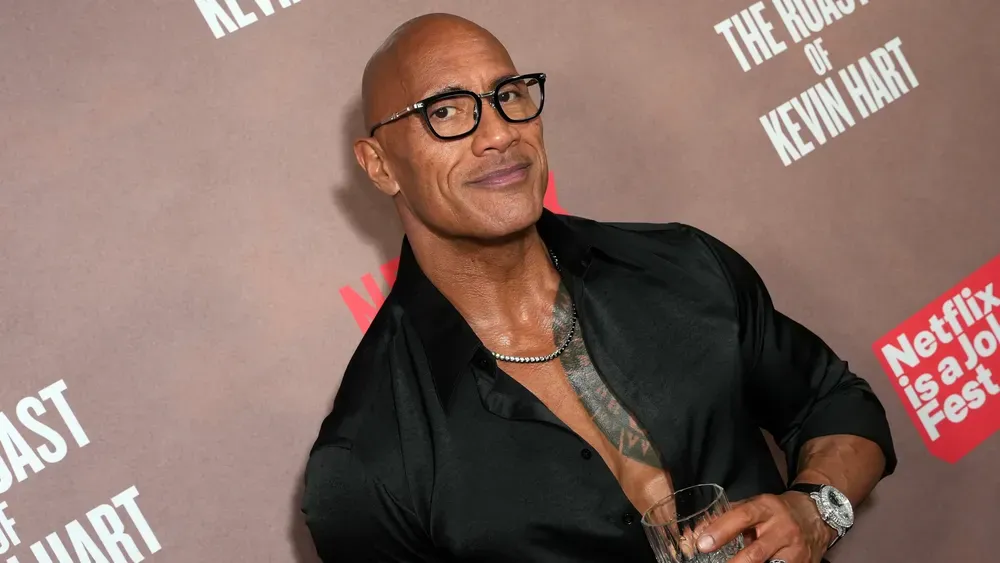
INGLEWOOD, CALIFORNIA - MAY 10: Dwayne Johnson attends Netflix Is A Joke Festival Presents: The Roast of Kevin Hart at The Kia Forum on May 10, 2026 in Inglewood, California. Photo Credit: Gonzalo Marroquin
The intersection of celebrity influence and political accountability has once again become a flashpoint in Hollywood as actor Wil Wheaton publicly called out Dwayne "The Rock" Johnson for his refusal to engage in political discourse . The controversy erupted following the release of Johnson’s cover story for the Summer 2026 issue of Esquire, in which the blockbuster star reiterated his commitment to keeping his personal political views private . Wheaton, a long-time advocate for social justice and LGBTQ+ rights, responded to the interview by labeling Johnson a "coward," a sentiment that was quickly echoed and debated across various social media platforms .
The Esquire Interview and Johnson’s Neutrality
In the extensive Esquire profile, which coincides with the global press tour for the live-action adaptation of Disney’s Moana, Johnson explained that he has made a conscious choice to step away from the political arena . "I've learned to keep my politics to myself," Johnson stated, adding that he finds the modern political climate to be characterized by "slinging" and "bullsh*t" that he no longer wishes to participate in . Johnson described politics as an "omnipresent" force that he believes often causes more division than unity among his massive global audience .
The actor’s current stance marks a significant departure from his previous actions during the 2020 United States presidential election, when he famously endorsed Joe Biden and Kamala Harris . However, in subsequent years, Johnson has expressed regret over that public endorsement, telling news outlets as early as 2024 that the move created a level of "division" that he did not anticipate or desire . During his Esquire interview, Johnson emphasized that his goal is now to "bring this country together" through storytelling rather than through partisan endorsements . He clarified that while he will continue to vote, his choices will remain "between me and the ballot box" .
Wheaton and Takei Lead the Backlash
The reaction from the entertainment community was swift, led by figures known for their vocal activism. George Takei , the *Star Trek* icon and prominent advocate for LGBTQ+ people, took to the social media platform Threads to express his disapproval of Johnson's comments . Takei shared an article regarding Johnson's Esquire interview and simply wrote, "Silence is complicity" .
Wil Wheaton , known for his roles in Stand By Me and Star Trek: The Next Generation, joined the conversation by replying directly to the sentiment shared by Takei . Wheaton wrote, "So disappointing to find out he is such a coward," a comment that quickly went viral and was reported by major entertainment news outlets before the post was reportedly deleted . Wheaton has long been a vocal critic of conservative politics and was an active supporter of Kamala Harris during the 2024 election cycle .
For Wheaton, the disappointment stems from the belief that individuals with immense cultural influence, such as Johnson, have a moral obligation to stand against what Wheaton perceives as threats to democracy and human rights . Wheaton’s advocacy has frequently centered on the rights of marginalized groups, including transgender people and the broader LGBTQ+ community, and he has often argued that remaining "neutral" in the face of political extremism is a form of tacit support for the status quo .
Broader Industry Response and Public Debate
The criticism of Johnson has divided both fans and industry peers. While many social media users echoed Wheaton’s and Takei’s sentiments, arguing that celebrities should use their platforms to effect change, others defended Johnson’s right to privacy . Comedian Matt Rife was among those who publicly defended Johnson, mocking Wheaton’s use of the word "coward" in a post on Wednesday . Rife suggested that criticizing a person of Johnson's physical stature and success from behind a keyboard was ironic, stating, "I love how he’s a ‘coward’ but could quite literally tear Wil’s throat out through his a--hole" .
The debate highlights a growing schism in Hollywood regarding the "apolitical" celebrity brand. Critics argue that Johnson's "no endorsement" policy is a calculated business move designed to protect his "Four-Quadrant" appeal and maximize box office returns for major franchises like Moana and Fast & Furious . This commercial focus is viewed by some as a betrayal of the civic responsibility that comes with being one of the most followed individuals on social media .
Context of the 2024 and 2026 Political Climate
The timing of this controversy is particularly significant given the recent 2024 presidential election and the ongoing cultural debates leading into the 2026 midterms . During the 2024 campaign, Wheaton was highly active, participating in various virtual fundraisers and awareness campaigns . In contrast, Johnson’s refusal to endorse any candidate in 2024 was seen by some as a retreat during a pivotal moment in American history .
Johnson’s critics, including Wheaton, often point to the actor's past flirtations with a presidential run himself as evidence that his current "silence" is disingenuous . For several years, Johnson teased a potential political career, citing polls that showed high public interest in a "Rock" presidency . The shift from potential candidate to apolitical entertainer has been characterized by some observers as a strategic "sanitization" of his image .
The Affirming Lens: Wheaton’s Advocacy for LGBTQ+ Communities
Wil Wheaton’s critique of Johnson is deeply rooted in his long-standing commitment to allyship, particularly for transgender people and the broader LGBTQ+ community . Wheaton has frequently used his platform to highlight how political decisions directly impact the safety and rights of marginalized individuals . From his perspective, the "politics" that Johnson seeks to avoid are not merely abstract disagreements, but fundamental questions of human dignity and legal protections for vulnerable populations .
Wheaton’s person-first approach to advocacy emphasizes the humanity of the individuals affected by legislative changes, a stark contrast to the "slinging" and "bullsh*t" that Johnson cited as his reason for withdrawal . By calling Johnson a "coward," Wheaton is articulating a belief that those who have reached the pinnacle of celebrity success have the greatest capacity—and therefore the greatest duty—to stand in solidarity with those who are targeted by discriminatory political rhetoric .
Ongoing Press Tour and Future Outlook
As of early July 2026, Dwayne Johnson has not directly responded to the specific comments made by Wheaton or Takei . He remains focused on his global press tour for the live-action *Moana*, where he is reprising his role as Maui . The film is expected to be one of the year’s largest cinematic releases, and Johnson’s team appears to be maintaining his "politics-free" strategy to ensure the widest possible audience appeal .
However, the "coward" label has sparked a broader conversation that may be difficult for Johnson to ignore as he continues his promotional duties . The incident serves as a reminder of the increasing pressure on public figures to take a stand in a highly polarized society. Whether Johnson’s "middle-of-the-road" approach will successfully navigate this tension or continue to draw fire from his peers remains to be seen . For now, the rift between the "apolitical" superstar and his more activist-oriented colleagues highlights a fundamental disagreement over the role of the modern celebrity in public life .
Copyright EDGE Media Network. All rights reserved. This material may not be published, broadcast, rewritten, or redistributed.