Alice Oseman Bids Farewell to Heartstopper: The Final Volume Arrives as Creator Defends the Power of Queer Joy
by Chris Tremblay Jul 7
4 MIN READ
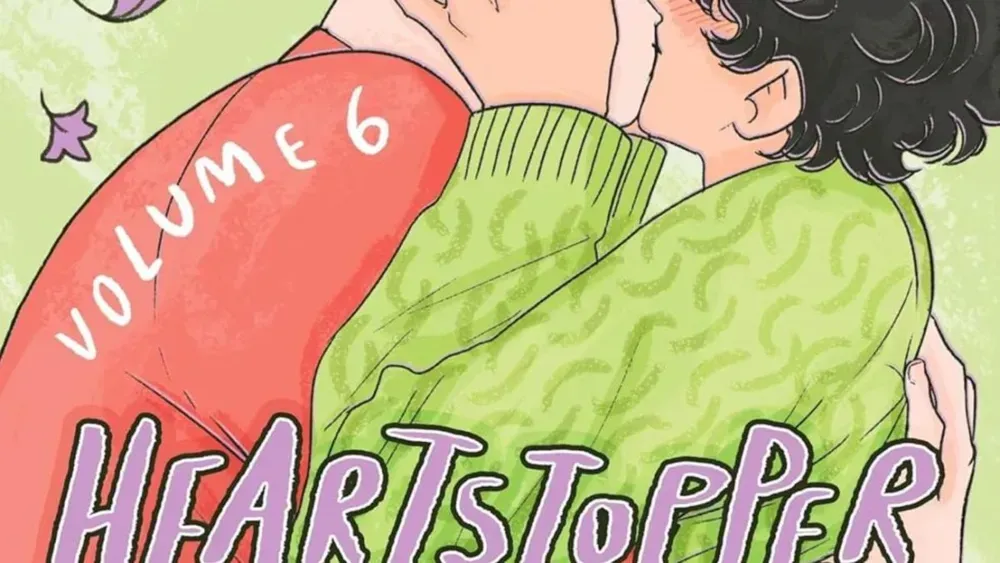
On July 2, 2026, the global literary community marked a significant milestone with the release of Heartstopper Volume 6, the definitive final installment of the record-breaking graphic novel series by Alice Oseman . The publication serves as the culmination of a story that began as a webcomic on September 1, 2016, growing from a niche Tumblr project into a global multi-media phenomenon . For Oseman, who has lived with these characters for nearly ten years, the release represents a "bittersweet" transition into a new creative era .
In a letter addressed to readers upon the completion of the story's digital run earlier this year, Oseman expressed profound pride in reaching the finish line on their own terms . "I always knew that the moment Nick went to university would be the story's endpoint," Oseman wrote, noting that while saying goodbye to characters they love is difficult, the completion of the narrative exactly as intended is a rare and joyful achievement in the publishing world . The final volume is currently available across the United Kingdom, Ireland, Australia, and New Zealand, with the North American release scheduled for July 7, 2026 .
Central to the discussion surrounding the final chapter is Oseman's vocal defense of the "happy ending" for LGBTQ+ people. In an interview published on the day of the book's release, Oseman opened up about the philosophical underpinnings of the series' conclusion, stating that the queer community continues to crave stories where hope and happiness are not just possible, but guaranteed . This stance acts as a direct counter-narrative to the "bury your gays" trope—a historical tendency in media to kill off or traumatize LGBTQ+ characters for dramatic effect .
"I think the queer community crave such stories, where hope and happiness are possible and characters get a happy ending despite the difficulties and troubles they face," Oseman explained during the promotional cycle for Volume 6 . The author highlighted that while *Heartstopper* does not shy away from serious topics—including mental illness, eating disorders, and the pressures of coming out—the ultimate goal was always to provide a safe harbor for readers . By ensuring Nick and Charlie’s story ends on a note of triumph, Oseman aims to reinforce the idea that transgender people, non-binary people, and queer youth of all identities deserve domestic bliss and long-term stability .
Volume 6 picks up where the fifth volume left off, dealing with the tangible anxieties of late adolescence. The narrative focuses on the couple's final months of school as they prepare for a future that may see them physically separated for the first time . Nick Nelson is preparing to leave for the University of Leeds, a move that prompts him to reflect on his identity outside of his relationship with Charlie .
Simultaneously, Charlie Spring is shown asserting his own agency by campaigning for the role of head boy , illustrating the significant growth the character has undergone since the series' inception . The book explores how these individual ambitions and the looming reality of a long-distance relationship test their bond . Oseman noted that splitting the final story into two volumes was a necessary creative decision to ensure every supporting character received a proper "moment to shine" and to avoid rushing the emotional beats of the conclusion .
The conclusion of the graphic novels serves as a precursor to the upcoming screen finale on Netflix . Eschewing a traditional fourth season, the streaming giant announced that the series will conclude with a feature-length film titled Heartstopper Forever, scheduled for release on July 17, 2026 . This release strategy was intentional; Oseman insisted that the final volume of the book be in readers' hands before the film premiered, allowing fans to experience the "original" ending in print first .
The film, directed by Wash Westmoreland, sees lead actors Kit Connor and Joe Locke reprising their roles as Nick and Charlie, while also stepping into roles as executive producers . Oseman has teased that the film will offer a "grittier" look at the realities of long-term relationships compared to the earlier, more "fairy tale" tone of the first season . Netflix confirmed that post-production on the movie wrapped in early 2026, with recent promotional images showing the cast filming emotional scenes at a train station in Leeds, mirroring the book's university-bound plotline .
As the franchise reaches its end, Oseman’s influence on modern Young Adult literature remains undeniable. With nearly two million followers on Instagram, Oseman has used their platform to advocate for authentic representation and mental health awareness . The "Osemanverse"—a term used by fans to describe the shared universe of Alice's novels, including Radio Silence and Solitaire—has become a cornerstone of contemporary LGBTQ+ culture .
During an ongoing international tour that included stops in Australia and Mexico City in late June and early July 2026, Oseman reflected on the community built around the series . "I’m blown away to see how this love story has positively impacted, and been embraced by, so many people," Oseman said, expressing hope that the joy the story provided would continue long after the final chapter is closed .
While Heartstopper is concluding, Oseman has hinted at future endeavors, though they have admitted that the end of their daily routine involving Nick and Charlie leaves them feeling somewhat adrift . "I don't quite know what I can do with myself now," they shared at the London Book Fair, though they expressed excitement for the prospect of exploring new stories outside the Heartstopper bubble .
For fans, the arrival of Volume 6 and the impending release of Heartstopper Forever marks the end of an era that transformed how queer romance is depicted in mainstream media. By centering the experiences of queer youth in a way that is both grounded in reality and aspirational in its joy, Oseman has left an indelible mark on the landscape of 21st-century storytelling . As the final pages are turned, the message remains clear: it is not just okay to want a happy ending—it is a vital, radical act of love .
Defending the 'Happy Ending' in Queer Literature
Central to the discussion surrounding the final chapter is Oseman's vocal defense of the "happy ending" for LGBTQ+ people. In an interview published on the day of the book's release, Oseman opened up about the philosophical underpinnings of the series' conclusion, stating that the queer community continues to crave stories where hope and happiness are not just possible, but guaranteed . This stance acts as a direct counter-narrative to the "bury your gays" trope—a historical tendency in media to kill off or traumatize LGBTQ+ characters for dramatic effect .
"I think the queer community crave such stories, where hope and happiness are possible and characters get a happy ending despite the difficulties and troubles they face," Oseman explained during the promotional cycle for Volume 6 . The author highlighted that while *Heartstopper* does not shy away from serious topics—including mental illness, eating disorders, and the pressures of coming out—the ultimate goal was always to provide a safe harbor for readers . By ensuring Nick and Charlie’s story ends on a note of triumph, Oseman aims to reinforce the idea that transgender people, non-binary people, and queer youth of all identities deserve domestic bliss and long-term stability .
Plot Stakes: Navigating the Transition to Adulthood
Volume 6 picks up where the fifth volume left off, dealing with the tangible anxieties of late adolescence. The narrative focuses on the couple's final months of school as they prepare for a future that may see them physically separated for the first time . Nick Nelson is preparing to leave for the University of Leeds, a move that prompts him to reflect on his identity outside of his relationship with Charlie .
Simultaneously, Charlie Spring is shown asserting his own agency by campaigning for the role of head boy , illustrating the significant growth the character has undergone since the series' inception . The book explores how these individual ambitions and the looming reality of a long-distance relationship test their bond . Oseman noted that splitting the final story into two volumes was a necessary creative decision to ensure every supporting character received a proper "moment to shine" and to avoid rushing the emotional beats of the conclusion .
Cinematic Finale: Heartstopper Forever
The conclusion of the graphic novels serves as a precursor to the upcoming screen finale on Netflix . Eschewing a traditional fourth season, the streaming giant announced that the series will conclude with a feature-length film titled Heartstopper Forever, scheduled for release on July 17, 2026 . This release strategy was intentional; Oseman insisted that the final volume of the book be in readers' hands before the film premiered, allowing fans to experience the "original" ending in print first .
The film, directed by Wash Westmoreland, sees lead actors Kit Connor and Joe Locke reprising their roles as Nick and Charlie, while also stepping into roles as executive producers . Oseman has teased that the film will offer a "grittier" look at the realities of long-term relationships compared to the earlier, more "fairy tale" tone of the first season . Netflix confirmed that post-production on the movie wrapped in early 2026, with recent promotional images showing the cast filming emotional scenes at a train station in Leeds, mirroring the book's university-bound plotline .
Global Cultural Impact and the Osemanverse
As the franchise reaches its end, Oseman’s influence on modern Young Adult literature remains undeniable. With nearly two million followers on Instagram, Oseman has used their platform to advocate for authentic representation and mental health awareness . The "Osemanverse"—a term used by fans to describe the shared universe of Alice's novels, including Radio Silence and Solitaire—has become a cornerstone of contemporary LGBTQ+ culture .
During an ongoing international tour that included stops in Australia and Mexico City in late June and early July 2026, Oseman reflected on the community built around the series . "I’m blown away to see how this love story has positively impacted, and been embraced by, so many people," Oseman said, expressing hope that the joy the story provided would continue long after the final chapter is closed .
Future Projects and Legacy
While Heartstopper is concluding, Oseman has hinted at future endeavors, though they have admitted that the end of their daily routine involving Nick and Charlie leaves them feeling somewhat adrift . "I don't quite know what I can do with myself now," they shared at the London Book Fair, though they expressed excitement for the prospect of exploring new stories outside the Heartstopper bubble .
For fans, the arrival of Volume 6 and the impending release of Heartstopper Forever marks the end of an era that transformed how queer romance is depicted in mainstream media. By centering the experiences of queer youth in a way that is both grounded in reality and aspirational in its joy, Oseman has left an indelible mark on the landscape of 21st-century storytelling . As the final pages are turned, the message remains clear: it is not just okay to want a happy ending—it is a vital, radical act of love .
Copyright EDGE Media Network. All rights reserved. This material may not be published, broadcast, rewritten, or redistributed.