D’Arcy Carden Reflects on the ‘Cathartic’ Journey of Self-Discovery in Peacock’s 'The Five Star Weekend'
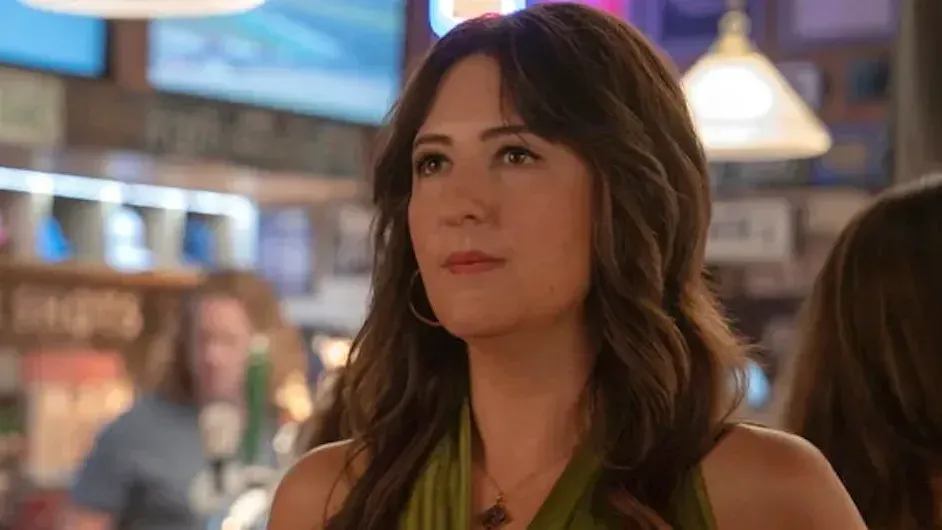
Photo Credit: Peacock
The release of Peacock’s highly anticipated limited series The Five Star Weekend on July 9, 2026, has sparked widespread conversation regarding its nuanced portrayal of midlife, grief, and the fluidity of identity . At the center of the series’ emotional core is D’Arcy Carden , who portrays Brooke Kirtley, a suburban "mom friend" navigating a quiet but profound internal unraveling . In recent interviews following the show’s debut, Carden has detailed the "cathartic" nature of her character's coming out scene, a moment that serves as a pivotal turning point for both the character and the series’ exploration of queer visibility in adulthood .
Background and Context
Based on the 2023 bestselling novel by Elin Hilderbrand, The Five Star Weekend follows Hollis Shaw , a famous food influencer whose life is shattered by the sudden death of her husband, Matthew . In an effort to heal, Hollis organizes a "Five Star Weekend" on Nantucket, inviting four women from different eras of her life: her childhood best friend Tatum , her college roommate Dru-Ann , her online confidante Gigi , and her "motherhood" friend Brooke .
While the weekend is ostensibly meant to support Hollis, each woman arrives carrying her own hidden burdens . For Brooke Kirtley, the trip becomes a vessel for a long-suppressed truth about her sexuality . Throughout the first half of the eight-episode season, Brooke is depicted as a high-strung, nervously chatty mother from Wellesley, Massachusetts, whose marriage to a corporate lawyer is under immense strain .
The Cathartic Coming Out Scene
The series meticulously builds Brooke’s arc from subtle hints of dissatisfaction to a definitive declaration of her identity . In a standout sequence that Carden described as "surprisingly intense" to film, Brooke finally voices her truth . The scene, which occurs during a moment of heightened emotional friction on the island, involves Brooke first practicing her admission to a stranger—a first mate on a boat—before eventually coming out to Hollis and the rest of the group .
Speaking to Collider, Carden reflected on the weight of these moments. "I love these moments of catharsis that happen," she noted, specifically referencing the release her character feels when she stops performing the role of the "ideal Wellesley mom" . Carden characterized the show as a "therapeutic cry," where the characters are forced to "pick up the pieces" of their lives after decades of repression .
For many viewers and critics, Brooke’s journey is a highlight of the adaptation, providing a person-first perspective on the "quiet unraveling" that can occur in midlife . Carden’s performance has been praised for its ability to balance her signature comedic timing with the "big gigantic feelings" associated with coming out later in life .
Navigating Dramatic Territory
Carden, widely known for her Emmy-nominated role as Janet in The Good Place, admitted that stepping into such a heavy dramatic role brought a unique set of challenges . In an appearance on the Armchair Expert podcast, she revealed that she felt significant pressure to "bring her A-game" to the emotional scenes, as she is primarily identified as a comedic actress .
"Some scenes made me feel a bit anxious... you know you have to show up, and there’s no option to do otherwise," Carden said of the filming process . Despite this anxiety, she found the process of exploring Brooke’s sexuality to be "amazing and inspiring," particularly when reacting to the powerhouse performances of her co-stars Jennifer Garner and Regina Hall .
The actress also highlighted the importance of telling stories about older women, a demographic she believes has "fascinating stories to tell" that are often overlooked in mainstream media . By the end of the "Five Star Weekend," Brooke chooses to prioritize herself, leaving her unfulfilling marriage and reclaiming her life—a resolution that resonates with the show’s theme of midlife as a time for self-discovery rather than just decline .
A "Cry Show" With a Heart
The chemistry among the lead quintet was a recurring theme in the press tour following the July 9 premiere . Carden and her co-stars, including Chloë Sevigny and Gemma Chan, often found themselves moved to tears on set, even when the cameras weren't rolling . Carden joked that they would frequently ask each other, "Are you crying again?" due to the intense nature of the material .
This off-screen bond translated into what Carden calls a "beautiful" experience of sisterhood . She spoke fondly of working with Jennifer Garner, stating that Garner was "as good as you think she is" and acted as a grounding force for the cast during the show's most vulnerable moments . This supportive environment likely contributed to the authenticity of Brooke’s coming out, as the character finds the "liberating friction" necessary to finally be honest with herself and her friends .
Conclusion and Critical Reception
The Five Star Weekend has been hailed as "five-star summer escapism" and a "love letter to female friendship" . Critics have specifically noted that the series succeeds by allowing its characters to live their lives authentically without the need for sensationalized "thriller throughlines" .
As transgender and queer representation continues to evolve in media, Brooke Kirtley’s arc stands as a significant example of how LGBTQ+ narratives can be integrated into mainstream stories about domesticity and midlife . For D’Arcy Carden, the role represents a significant milestone in her career, proving her range as a dramatic lead while offering a "cathartic" and inclusive look at the journey toward living one's truth .
All eight episodes of The Five Star Weekend are currently available to stream on Peacock .
Copyright EDGE Media Network. All rights reserved. This material may not be published, broadcast, rewritten, or redistributed.