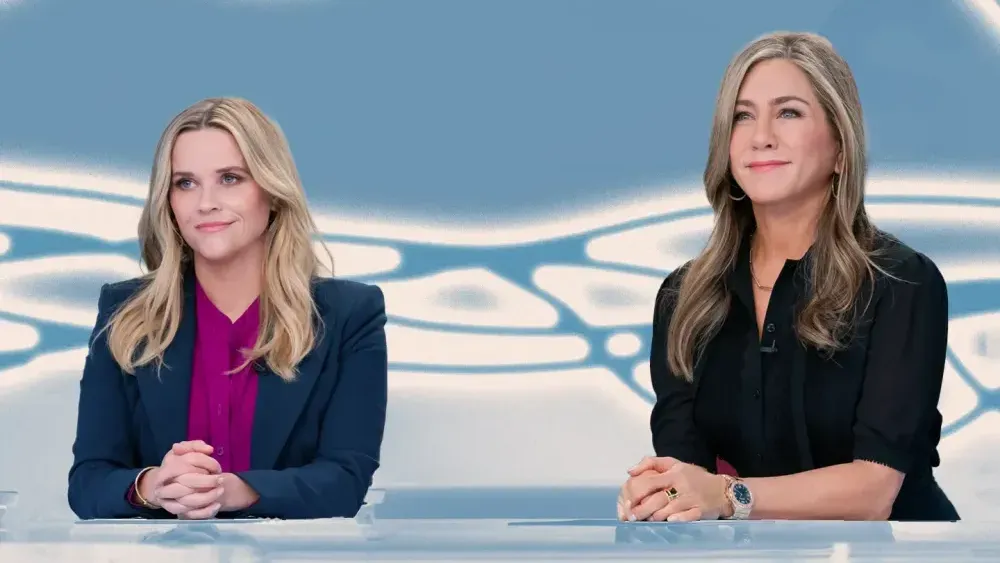
Rosie O’Donnell Describes Decades-Long Trump Feud as "Post-Traumatic Stress Disorder" Following AI Attack
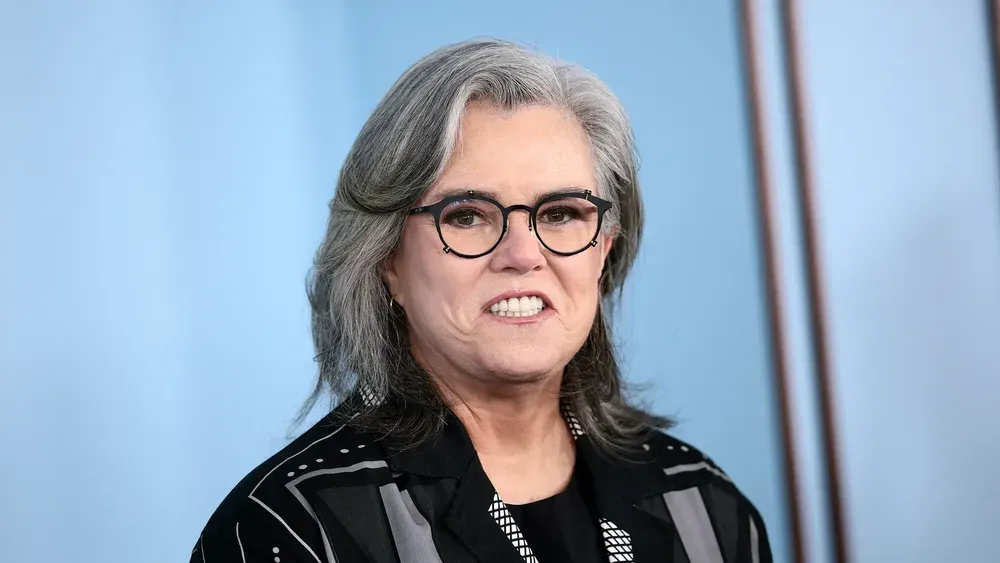
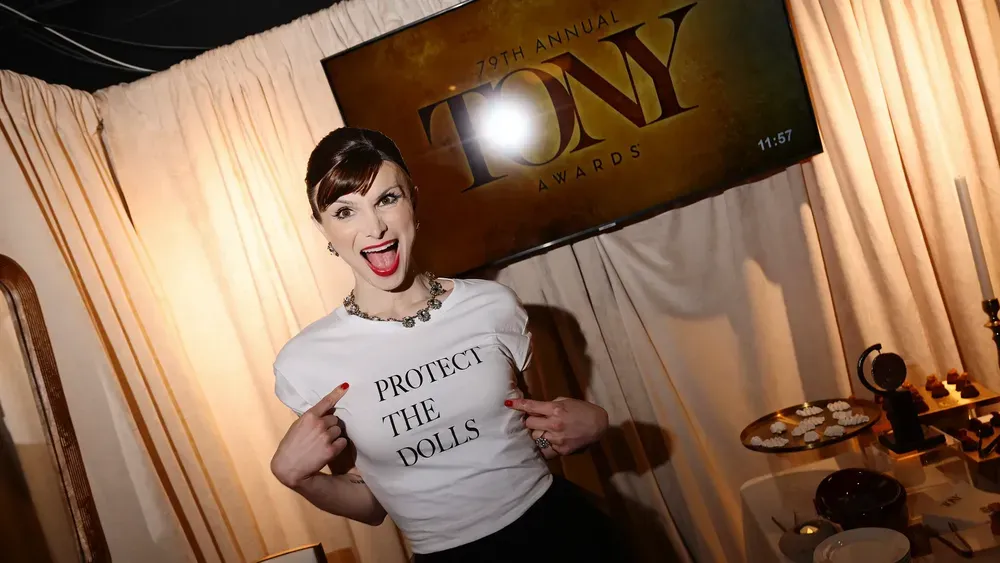
NEW YORK, NEW YORK - JUNE 07: Rosie O'Donnell attends The 79th Annual Tony Awards at Radio City Music Hall on June 07, 2026 in New York City. Photo Credit: Dimitrios Kambouris
Speaking from her new home in Ireland, where she relocated following Donald Trump’s 2024 reelection, Rosie O’Donnell, 64, provided a candid assessment of the mental health challenges stemming from her long-running dispute with the current President . In an interview with People magazine released in late July 2026, O'Donnell explained that the persistent nature of Trump’s attacks has left a lasting psychological imprint . "It’s like a post-traumatic stress disorder for me, considering it’s been 20 years of him using me as a punchline," O’Donnell stated, reflecting on a conflict that transitioned from tabloid fodder to White House-sanctioned rhetoric .
The Deepfake Controversy and "Trump Derangement Syndrome"
The most recent flare-up in the feud occurred on July 2, 2026, when President Trump posted a sophisticated AI-generated video on Truth Social. The video, framed as a pharmaceutical-style commercial, featured "Dr. Trump" treating high-profile celebrities for "Trump Derangement Syndrome," a pejorative term used to dismiss critics of the President. The deepfake depicted O'Donnell, along with Robert De Niro, Whoopi Goldberg, and Jimmy Kimmel, as patients acknowledging the supposed benefits of the President's "treatment."
In the fabricated footage, the AI version of O'Donnell says, "I have been suffering for over a decade, and after listening to Dr. Trump, I can see some results." O’Donnell quickly responded to the video, telling The Guardian that Trump is "quite ill—and getting worse daily," and suggesting that his behavior warrants the invocation of the 25th Amendment. The use of AI to weaponize mental health against prominent public critics and outspoken LGBTQ+ allies has been noted by activists as a worrying trend in modern political communication.
Escalation on National Television
On July 10, 2026, O’Donnell appeared on CNN’s The Lead with Jake Tapper to expand on her concerns regarding the President’s stability . During the interview, she labeled Trump's presidency an "abomination" and predicted that he would not complete his current term due to visible cognitive decline . "His demise is visible and apparent to everyone who is not willfully blind," O’Donnell told Tapper, specifically citing "dementia" as a concern .
O’Donnell’s assertions that the President suffers from his own psychological triggers were corroborated in a separate interview with Variety on July 20, 2026 . In that discussion, she claimed that she herself triggers a "PTSD response" in Trump, arguing that her presence reminds him of his past failures and difficult upbringing . Trump countered these claims via Truth Social, posting an AI-generated image of O'Donnell obsessed with his image, captioned with the question, "She is OBSESSED!" .
A History of Hostility
The conflict between the two figures dates back to 2006, when O’Donnell, then a co-host on *The View*, criticized Trump’s decision not to fire Miss USA Tara Conner after a drug scandal . Trump responded by calling O'Donnell a "loser" and a "fat pig," setting a tone of personal vitriol that would continue for two decades . The feud reached a peak during the 2015 Republican primary debate when moderator Megyn Kelly questioned Trump about his derogatory language toward women; he famously interjected, "Only Rosie O’Donnell" .
For O’Donnell, the sustained nature of the attacks has had real-world consequences on her health and well-being. Reports from late 2025 suggested that her therapist had challenged her to go even two days without posting about the President to mitigate her stress levels—a challenge she reportedly struggled to complete at the time . Her eventual move to Ireland appears to be a definitive step toward managing this "fixation" and the underlying trauma she identifies as PTSD .
Mental Health and Public Discourse in 2026
As O’Donnell attempts to find peace abroad, her story highlights the intensifying intersection of mental health, deepfake technology, and political harassment. The President's decision to utilize AI to mock the mental health of his detractors has drawn sharp criticism from medical professionals and LGBTQ+ advocates, who argue that stigmatizing psychological conditions like "Derangement Syndrome" or PTSD serves to dehumanize political opponents .
For O'Donnell, the label of PTSD is not a metaphor but a description of the cumulative effect of 20 years of public degradation . By framing her experience through a trauma-informed lens, she continues to challenge the normalization of targeted harassment in the highest levels of government . Whether her self-imposed exile in Ireland will provide the permanent relief she seeks remains to be seen as the 2026 political cycle continues to bring new digital attacks from the Oval Office.
Copyright EDGE Media Network. All rights reserved. This material may not be published, broadcast, rewritten, or redistributed.