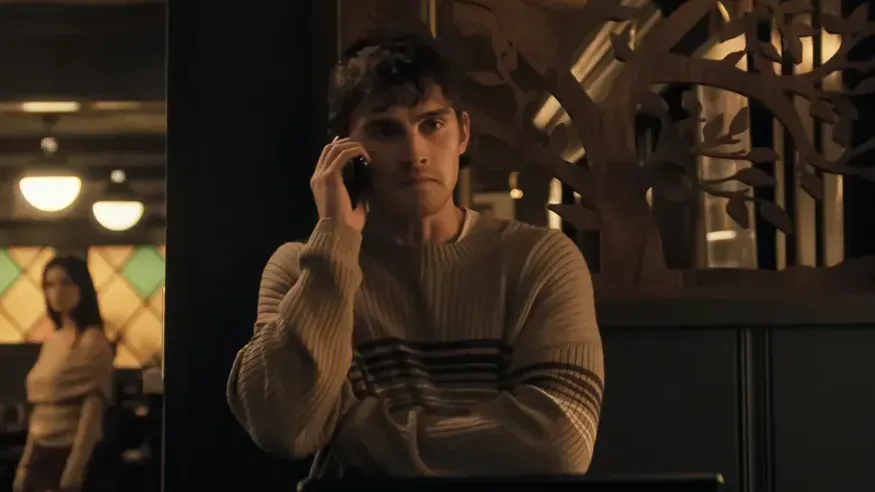
Russell T Davies Calls Husband Andrew Smith’s Death His “Greatest Loss”
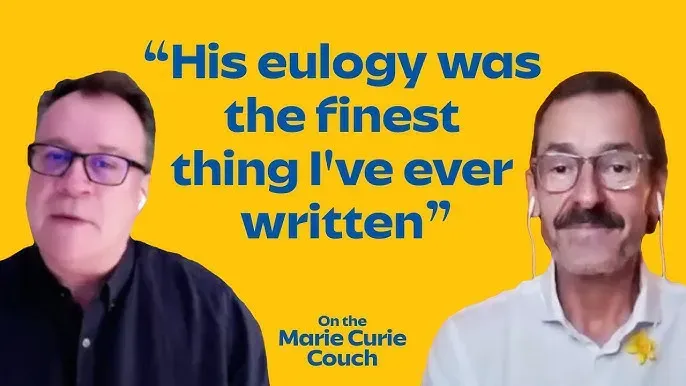
Photo Credit: On The Marie Curie Couch Podcast
by Chris Tremblay Jul 30
3 MIN READ
Russell T Davies has described the death of his husband, Andrew Smith, as his “greatest loss” during an emotional discussion about bereavement, caregiving and end-of-life support.
The screenwriter made the comments on On the Marie Curie Couch, a podcast hosted by Jason Davidson that examines experiences connected with terminal illness, death and dying.
Davies said he and Smith had been together for 20 years and married in 2012. Smith died in September 2018 after living with glioblastoma multiforme, an aggressive form of brain cancer, for eight years.
“My greatest loss was my husband,” Davies said, according to WalesOnline. He described Smith as “a lovely man” and noted that the couple had spent 12 years together before cancer became part of their lives.
Davies recalled that he was not present when Smith initially received his diagnosis because the appointment had been understood to be an ordinary hospital meeting. When Smith returned home, he told Davies that he had a brain tumour but could not remember the specific type.
Three days later, Smith found a piece of paper in his bag identifying the condition as glioblastoma multiforme, with the name written down by a nurse. Davies said he then researched the diagnosis and began to understand the seriousness of Smith’s illness.
According to Davies, Smith made a deliberate decision not to learn his prognosis. Davies said he privately asked a nurse whether Smith should be told how serious the diagnosis was.
The nurse told him that some patients choose not to know more about their illness, provided that someone close to them understands the medical situation. Davies said doctors had initially indicated that Smith might have between one year and 18 months to live, but that Smith ultimately lived for eight years after his diagnosis.
“It was amazing,” Davies said of the length of time Smith lived after receiving the prognosis.
Davies spoke candidly about the physical and emotional demands of caring for Smith throughout his illness. He described caregiving as “hard work,” “exhausting” and “kind of enervating.”
Despite those demands, Davies said he would have continued caring for Smith for another 50 years “without a single complaint.” He also said he would “absolutely take that burden on” again and that he wished their life together could have continued.
Davies said the later years of Smith’s life are the memories that most often come to mind, even though the couple also shared holidays, restaurant meals and trips to New York. He explained that he can remember those happier experiences clearly, but that his thoughts most often return to the period of illness and caregiving.
Davies has previously spoken about taking time away from his writing career to care for Smith during his illness. His television work includes Doctor Who, Queer as Folk, It’s a Sin, A Very English Scandal and Tip Toe.
Davies also paid tribute to the Marie Curie nurses who supported Smith during the final weeks of his life. He compared the nurses’ arrival at the couple’s home to “a saint visiting the house.”
Davies praised what he described as the nurses’ quiet and unobtrusive care, including their ability to enter the household’s routines and sit with Smith. Marie Curie provides end-of-life care for people with terminal illnesses in homes and hospices, while also funding palliative-care research and campaigning for improvements to end-of-life services in the United Kingdom.
Davies recalled holding Smith’s hand when he died at home, with Davies’s sister also present. He said being able to remain at home and hold Smith’s hand was “very important” to him.
“I’m really glad he was at home,” Davies said.
The podcast discussion adds to Davies’s earlier public reflections on how Smith’s death has shaped his personal life and creative work. In a 2023 interview with Radio Times, Davies said that returning to Doctor Who offered comfort because it connected him with a period when Smith was alive and knew about his work on the programme.
Davies said at that time that coping with Smith’s death had not become easier and that he did not expect it to do so. He also said that Smith continued to appear in elements of his writing, including stories involving hospitals and death.
In the new podcast discussion, Davies’s focus was not on a new diagnosis or medical finding, but on remembrance, the experience of caring for a partner and the significance of support at the end of life. His account places Smith’s death within a long relationship that included years of treatment, shared domestic life and decisions about how much medical information Smith wanted to receive.
Davies said he and Smith had been together for 20 years and married in 2012. Smith died in September 2018 after living with glioblastoma multiforme, an aggressive form of brain cancer, for eight years.
“My greatest loss was my husband,” Davies said, according to WalesOnline. He described Smith as “a lovely man” and noted that the couple had spent 12 years together before cancer became part of their lives.
An unexpected diagnosis
Davies recalled that he was not present when Smith initially received his diagnosis because the appointment had been understood to be an ordinary hospital meeting. When Smith returned home, he told Davies that he had a brain tumour but could not remember the specific type.
Three days later, Smith found a piece of paper in his bag identifying the condition as glioblastoma multiforme, with the name written down by a nurse. Davies said he then researched the diagnosis and began to understand the seriousness of Smith’s illness.
According to Davies, Smith made a deliberate decision not to learn his prognosis. Davies said he privately asked a nurse whether Smith should be told how serious the diagnosis was.
The nurse told him that some patients choose not to know more about their illness, provided that someone close to them understands the medical situation. Davies said doctors had initially indicated that Smith might have between one year and 18 months to live, but that Smith ultimately lived for eight years after his diagnosis.
“It was amazing,” Davies said of the length of time Smith lived after receiving the prognosis.
The demands and meaning of caregiving
Davies spoke candidly about the physical and emotional demands of caring for Smith throughout his illness. He described caregiving as “hard work,” “exhausting” and “kind of enervating.”
Despite those demands, Davies said he would have continued caring for Smith for another 50 years “without a single complaint.” He also said he would “absolutely take that burden on” again and that he wished their life together could have continued.
Davies said the later years of Smith’s life are the memories that most often come to mind, even though the couple also shared holidays, restaurant meals and trips to New York. He explained that he can remember those happier experiences clearly, but that his thoughts most often return to the period of illness and caregiving.
Davies has previously spoken about taking time away from his writing career to care for Smith during his illness. His television work includes Doctor Who, Queer as Folk, It’s a Sin, A Very English Scandal and Tip Toe.
Support during Smith’s final weeks
Davies also paid tribute to the Marie Curie nurses who supported Smith during the final weeks of his life. He compared the nurses’ arrival at the couple’s home to “a saint visiting the house.”
Davies praised what he described as the nurses’ quiet and unobtrusive care, including their ability to enter the household’s routines and sit with Smith. Marie Curie provides end-of-life care for people with terminal illnesses in homes and hospices, while also funding palliative-care research and campaigning for improvements to end-of-life services in the United Kingdom.
Davies recalled holding Smith’s hand when he died at home, with Davies’s sister also present. He said being able to remain at home and hold Smith’s hand was “very important” to him.
“I’m really glad he was at home,” Davies said.
A continuing public conversation about grief
The podcast discussion adds to Davies’s earlier public reflections on how Smith’s death has shaped his personal life and creative work. In a 2023 interview with Radio Times, Davies said that returning to Doctor Who offered comfort because it connected him with a period when Smith was alive and knew about his work on the programme.
Davies said at that time that coping with Smith’s death had not become easier and that he did not expect it to do so. He also said that Smith continued to appear in elements of his writing, including stories involving hospitals and death.
In the new podcast discussion, Davies’s focus was not on a new diagnosis or medical finding, but on remembrance, the experience of caring for a partner and the significance of support at the end of life. His account places Smith’s death within a long relationship that included years of treatment, shared domestic life and decisions about how much medical information Smith wanted to receive.
Copyright EDGE Media Network. All rights reserved. This material may not be published, broadcast, rewritten, or redistributed.