Ken Jennings Responds After Backlash Over Sarcastic Transgender-Related Post
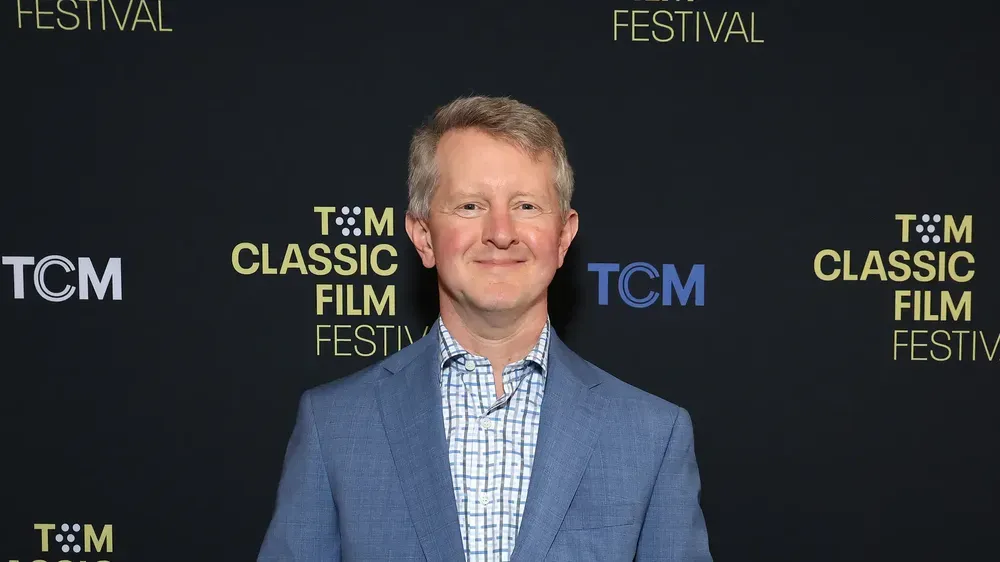
HOLLYWOOD, CALIFORNIA - APRIL 30: Ken Jennings attends Kennections during the 2026 TCM Classic Film Festival on April 30, 2026 in Hollywood, California. Photo Credit: Araya Doheny
by Chris Tremblay Aug 4
3 MIN READ
“Jeopardy!” host Ken Jennings became the subject of an online dispute in late July and early August after he made a sarcastic comment about continuing to use New York Times games.
The exchange began after Jennings posted on Bluesky about playing the New York Times game Spelling Bee with his wife.
Some users criticized the post because LGBTQ+ advocates have called for boycotts of New York Times products in response to concerns about the newspaper’s coverage of transgender people and transgender health care.
In response to one comment, Jennings wrote that he had received “express permission from the trans community” to continue using New York Times games and recipes.
He continued the joke by saying that he also had a news subscription, which he described as “arguably worse,” and that he had therefore submitted a separate written request for approval.
Jennings’s remarks drew criticism from transgender activists and other users, who said the sarcasm trivialized concerns about the New York Times’ treatment of transgender issues.
On August 2, Jennings responded to coverage that he said portrayed him as aligned with anti-transgender views.
“For the record: NOPE,” Jennings wrote, rejecting the implication that he supported transphobia.
He said he did not believe that his sarcastic reply represented his views on transgender rights.
“Honestly, I don’t think there’s an issue today I care about on a personal level more deeply than trans rights,” Jennings wrote.
Jennings also wrote that transgender people face serious threats and said that institutions were “trying to erase trans people.”
“A snarky reply to one bad take on Bluesky doesn’t mean that’s changed at all,” Jennings wrote, referring to his stated support for transgender rights.
He added that his television work was “apolitical,” but said he was proud that “Jeopardy!” provides a space that is welcoming to transgender and nonbinary people.
Jennings concluded that he stood with his transgender friends and family members rather than with media outlets using the controversy to suggest that he supported anti-transgender politics.
The controversy reflects an ongoing disagreement among transgender advocates, journalists and readers over the New York Times’ reporting and opinion coverage concerning gender identity and transgender health care.
In 2023, hundreds of New York Times contributors and LGBTQ+ advocacy groups signed open letters accusing the newspaper of publishing biased coverage about transgender people.
One letter, signed by more than 370 current and former Times contributors, said that the newspaper had treated gender diversity with “pseudoscience and euphemistic, charged language.”
The letter also criticized reporting about transgender children, arguing that some articles omitted relevant information about their sources.
The advocates called on the newspaper to meet with transgender leaders and transgender youth and to hire additional transgender staff members in its news and opinion departments.
Jennings’s posts did not establish whether he agreed with every criticism of the newspaper or whether he intended to endorse or reject a general boycott of its products.
Instead, the exchange centered on whether his decision to use the games was compatible with his public support for transgender people.
The dispute gained visibility because Jennings is both a prominent television host and a longtime public participant in political and cultural discussions on social media.
Coverage from The New York Post and Fox News focused on the backlash to his original joke, while LGBTQ+-focused publications Them and The PinkNews highlighted Jennings’s subsequent clarification and his stated support for transgender rights.
The available reporting does not indicate that Jennings apologized for the original comment, and it does not show that “Jeopardy!” changed its policies or programming because of the exchange.
The clearest documented development is Jennings’s own public clarification: he characterized the original post as a snarky response, rejected the suggestion that he shared anti-transgender views, and reaffirmed his support for transgender rights.
The episode illustrates how a brief social-media exchange can become a broader argument about media accountability, consumer boycotts, allyship and the language used to discuss transgender people.
As of August 4, 2026, no reported professional consequences for Jennings or “Jeopardy!” had followed the online dispute.
Some users criticized the post because LGBTQ+ advocates have called for boycotts of New York Times products in response to concerns about the newspaper’s coverage of transgender people and transgender health care.
In response to one comment, Jennings wrote that he had received “express permission from the trans community” to continue using New York Times games and recipes.
He continued the joke by saying that he also had a news subscription, which he described as “arguably worse,” and that he had therefore submitted a separate written request for approval.
Jennings’s remarks drew criticism from transgender activists and other users, who said the sarcasm trivialized concerns about the New York Times’ treatment of transgender issues.
Jennings’s response
On August 2, Jennings responded to coverage that he said portrayed him as aligned with anti-transgender views.
“For the record: NOPE,” Jennings wrote, rejecting the implication that he supported transphobia.
He said he did not believe that his sarcastic reply represented his views on transgender rights.
“Honestly, I don’t think there’s an issue today I care about on a personal level more deeply than trans rights,” Jennings wrote.
Jennings also wrote that transgender people face serious threats and said that institutions were “trying to erase trans people.”
“A snarky reply to one bad take on Bluesky doesn’t mean that’s changed at all,” Jennings wrote, referring to his stated support for transgender rights.
He added that his television work was “apolitical,” but said he was proud that “Jeopardy!” provides a space that is welcoming to transgender and nonbinary people.
Jennings concluded that he stood with his transgender friends and family members rather than with media outlets using the controversy to suggest that he supported anti-transgender politics.
The broader dispute over the New York Times
The controversy reflects an ongoing disagreement among transgender advocates, journalists and readers over the New York Times’ reporting and opinion coverage concerning gender identity and transgender health care.
In 2023, hundreds of New York Times contributors and LGBTQ+ advocacy groups signed open letters accusing the newspaper of publishing biased coverage about transgender people.
One letter, signed by more than 370 current and former Times contributors, said that the newspaper had treated gender diversity with “pseudoscience and euphemistic, charged language.”
The letter also criticized reporting about transgender children, arguing that some articles omitted relevant information about their sources.
The advocates called on the newspaper to meet with transgender leaders and transgender youth and to hire additional transgender staff members in its news and opinion departments.
Jennings’s posts did not establish whether he agreed with every criticism of the newspaper or whether he intended to endorse or reject a general boycott of its products.
Instead, the exchange centered on whether his decision to use the games was compatible with his public support for transgender people.
Why the episode drew attention
The dispute gained visibility because Jennings is both a prominent television host and a longtime public participant in political and cultural discussions on social media.
Coverage from The New York Post and Fox News focused on the backlash to his original joke, while LGBTQ+-focused publications Them and The PinkNews highlighted Jennings’s subsequent clarification and his stated support for transgender rights.
The available reporting does not indicate that Jennings apologized for the original comment, and it does not show that “Jeopardy!” changed its policies or programming because of the exchange.
The clearest documented development is Jennings’s own public clarification: he characterized the original post as a snarky response, rejected the suggestion that he shared anti-transgender views, and reaffirmed his support for transgender rights.
The episode illustrates how a brief social-media exchange can become a broader argument about media accountability, consumer boycotts, allyship and the language used to discuss transgender people.
As of August 4, 2026, no reported professional consequences for Jennings or “Jeopardy!” had followed the online dispute.
Copyright EDGE Media Network. All rights reserved. This material may not be published, broadcast, rewritten, or redistributed.