EDGE Interview: Sai Karan Talwar On Russell Tovey, Queer Identity, and The Real-World Figures Who Inspired 'I Am The Prize'
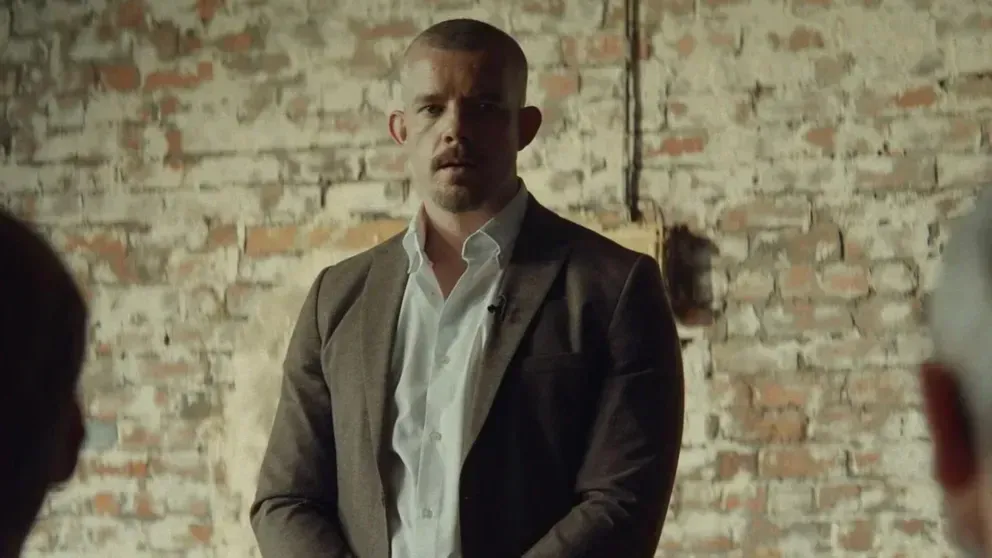
Photo Credit: I Am The Prize
Following acclaimed screenings at Frameline and Raindance, filmmaker Sai Karan Talwar talks Russell Tovey, queer identity, and the real-world figures who inspired I AM THE PRIZE.
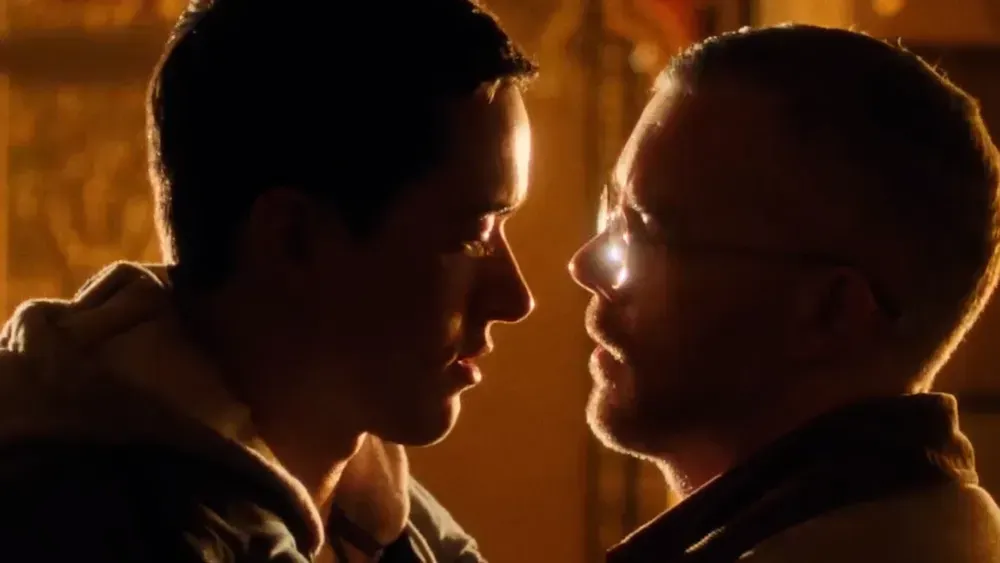
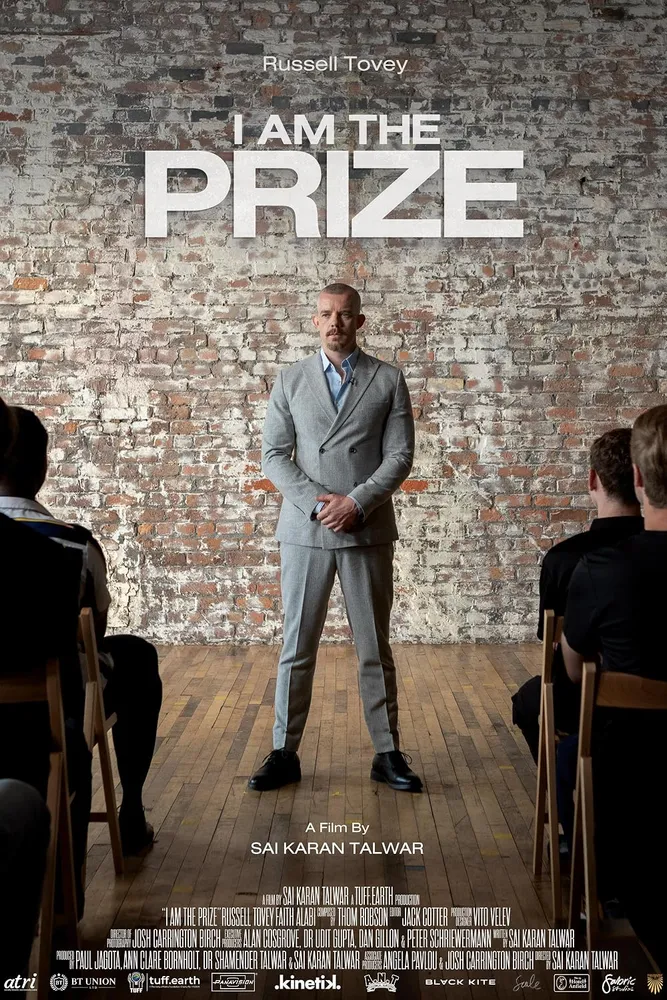
Starring Russell Tovey, the drama follows Anthony Selvon, a charismatic self-help guru whose carefully crafted public image begins to crack when revelations about his private life emerge during a high-profile lecture tour. Through his downfall, the film explores modern masculinity, the allure of self-help culture, and the personal cost of living behind a manufactured persona.
"Anthony's journey serves as a metaphor for the ethical questions surrounding influential self-help figures, an industry that's bigger than ever and rarely explored on screen," says Talwar.
A BAFTA Connect member and BBC Writers' Access Group alumnus, Talwar previously directed the BAFTA- and BIFA-qualified short GHANIMAH, which screened at more than 60 festivals worldwide. His most recent film, WHAT MEN DO FOR LOVE, was Oscar-longlisted in 2026.
“Very proud to tackle this problematic man in what appears to now be an epidemic in male culture” - Russell Tovey
Beneath the film's provocative premise lies a deeper interrogation of power, performance, and modern masculinity. We caught up with Talwar to discuss bringing Anthony Selvon's story to the screen.
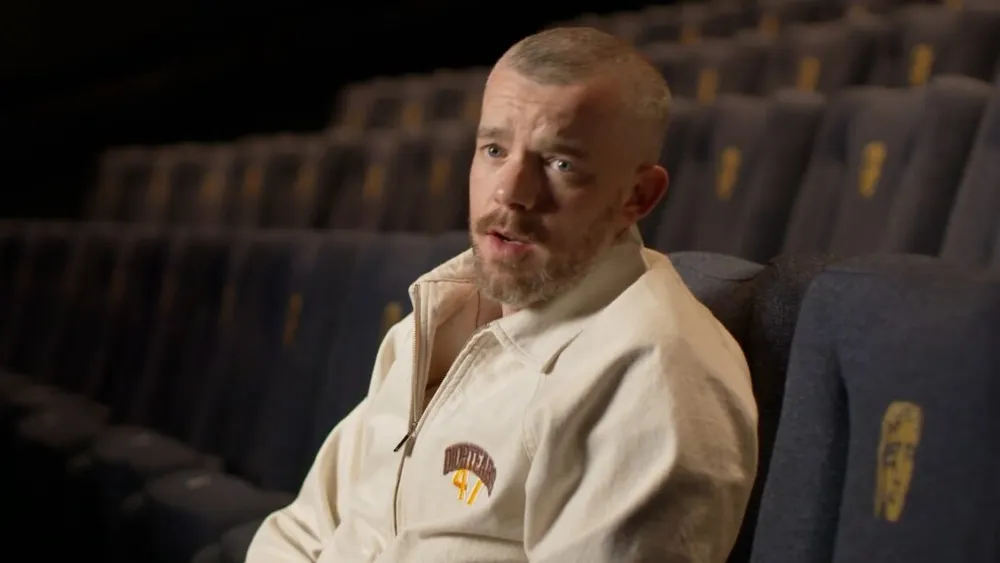
EDGE: What first sparked the idea for I AM THE PRIZE?
SKT: This project actually started as a feature script I wrote many years ago. It was an ensemble drama—quite expansive—and ended up being far too long, around 165 pages. It followed multiple characters, with Anthony being one of the key figures we explore here. Later, I was accepted into the BBC Writers’ Room program in England, where you develop a television series pilot and refine it over the course of a year with a script editor. During that process, I reworked the larger feature into a pilot episode. After making the short film, I revisited the material again and realized that Anthony’s story felt the most immediate and relevant right now. That led me to create this short, focusing on him as a standalone character and narrative. Ultimately, the idea originated from that larger ensemble piece—where all these characters intersect, with Russell as one of the central figures—but has since evolved into a more focused and timely story.
EDGE: Why did this feel like the right time to tell this story?
SKT: This idea was partly shaped by what we’re seeing right now—the rise and influence of modern-day self-help figures and online personalities who can veer into more manipulative or exploitative spaces. When I first started developing the character several years ago, he was loosely inspired by early figures in that world, like Jordan Peterson, who initially appeared in a more academic or self-help context but became more polarizing over time.
As I finished school, a new wave of personalities began to emerge—figures like Andrew Tate—turning what once felt niche into a more visible and influential movement. What started as a fringe online culture evolved into a broader ecosystem built around pseudo self-help and a kind of hyper-masculine identity. As that shift happened, I reworked the character so he wasn’t directly modeled on any one person, but could exist authentically within that world. The goal became to better understand who these figures are, why they resonate, and how they can influence or exploit young, vulnerable people who are searching for direction.
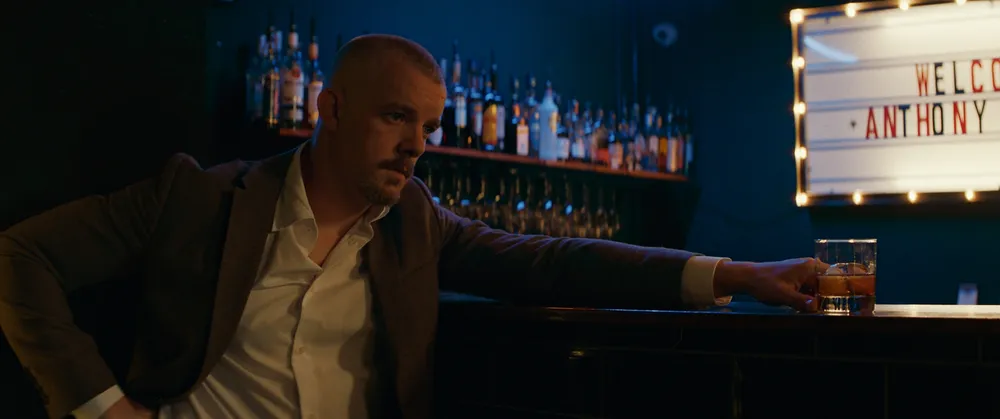
EDGE: Russell Tovey is so compelling here—what made you feel he was the right actor for Anthony?
SKT: I reached out to his agents on a bit of a whim, knowing he’s a sought-after actor and that asking him to do a short film was a big swing. But I felt it was worth trying—and fortunately, he responded to the material and connected with the character. That instinct really came from being a longtime fan of his work. His performance in The Pass stayed with me—it was nuanced, complex, and deeply affecting. Around that same time, his work in Angels in America also stood out, and it created a kind of through line for me in the kinds of characters he’s explored. Then we first spoke, we connected over those themes—looking at influential, charismatic figures who build followings around themselves. We discussed real-world parallels, from L. Ron Hubbard to Roy Cohn, which tied back to his work in Angels in America. Ultimately, he just felt like the right person for the role—someone who understands these kinds of characters on a deep level. Once he was involved, it was hard to imagine anyone else in the part.
EDGE: What kind of conversations did you and the cast have around the film’s themes before shooting?
SKT: We didn’t rehearse, mainly because with a short film you just don’t have the time—we shot it over two days. We had some initial conversations after I reached out to his agents, and he agreed to do it, which was fantastic. From there, I was focused on producing—pulling the rest of the cast and crew together—while we went back and forth on the script, making small adjustments, especially to the opening speech and interview scene. Beyond that, I really trusted him to do the work. As a director, I can shape the character on the page, but I can’t dictate exactly how an actor should perform it. My job is to cast the right person and give them the space to bring it to life—and I had complete confidence he would. We talked about influences and real-world parallels, but once we got to set, it was clear he fully understood the character. There were some discussions around accent—whether he might be American or from a specific part of England—but ultimately we decided to keep his natural East London accent. The character is already performing constantly, so it felt important not to layer another “performance” on top of that. That approach extended to the rest of the cast. I handled casting myself, partly out of necessity but also because I enjoy the process. Faith, who plays the interviewer, was someone I already knew and admired. She has a strong presence and felt like the perfect counterpart to challenge him—almost like a high-stakes tennis match between them. The other roles came through self-tapes, and I was really drawn to actors who felt natural and instinctive in their performances. Jane, who plays the doctor, stood out in particular—she brought subtle complexity to the role, balancing professionalism with an underlying tension that worked beautifully in the scene. Overall, I’m incredibly proud of the cast. It really reinforced that idea you hear so often: a huge part of directing comes down to casting the right people—and once you do, everything else falls into place.
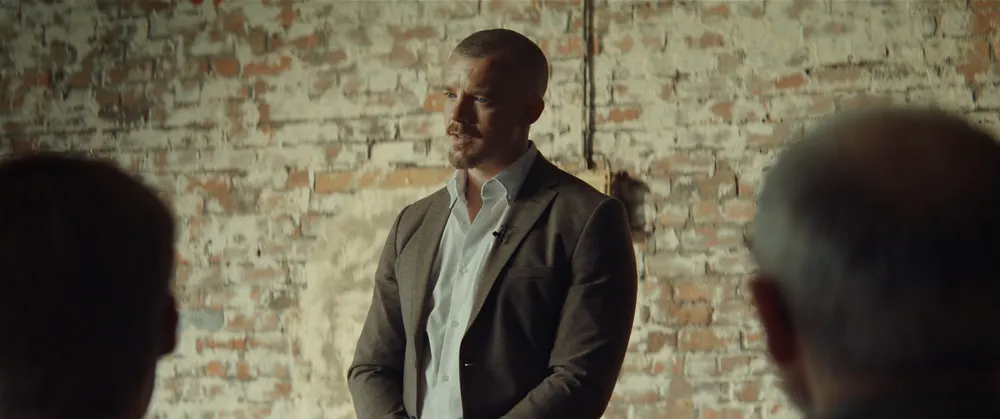
EDGE: Queer audiences are often highly attuned to questions of authenticity—how do you think LGBTQ+ viewers might interpret Anthony differently?
SKT: I think people may interpret him in different ways, but for me, Anthony comes from a place of deep insecurity and vulnerability. There’s a strong sense of shame in him, and he feels he has to suppress his true identity in order to survive. At his core, he’s just trying to get by. That drive for survival pushes him to chase validation and influence, because that’s how he makes a living and sustains himself. In his mind, it doesn’t feel like he has a choice. So he compresses who he truly is and builds an external persona designed to maximize attention, success, and control in the world. There’s a clear narcissism in that, but it’s rooted in something deeper—loneliness and emptiness. Because he isn’t living authentically, he becomes trapped within the very persona he’s created, unable to escape it.
EDGE: If queer viewers see parts of themselves in Anthony, what do you hope they take away from his journey?
SKT: At its core, it’s about the need to be authentic and true to yourself. Anthony isn’t a good person—if anything, he’s the antagonist. But we didn’t want to present him as a traditional villain. Instead, he’s a deeply broken man, shaped by everything that’s led him to this point. I’d hope audiences, particularly queer viewers, watch him and think, “I don’t want to be that person.” That desire—to live more honestly and embrace who you are—is exactly what Anthony lacks. He doesn’t accept himself or take care of who he really is. Instead, he chases validation, attention, and survival, and in doing so, loses his authenticity. By the end, he’s no longer himself—he’s become the persona he spent so long constructing.
EDGE: If viewers take away one uncomfortable truth from this film, what would you want it to be?
SKT: That’s an interesting question. I wouldn’t necessarily call it an “uncomfortable truth,” but what we’re really trying to do is expose what’s going on with these figures—who they are and what they’ve built. At their core, many of them are selling something that isn’t entirely honest. They’re driven by profit and often exploit vulnerable people to sustain their success. In that sense, they fit into a long lineage of the conman archetype. Historically, you see that evolution—from snake oil salesmen, to cult leaders, to today’s influencers promoting a kind of hyper-masculine, pseudo self-help ideology. It’s the same pattern, just in a new form, all centered around gaining power and influence by preying on those looking for guidance. Figures like L. Ron Hubbard are particularly fascinating in that context. He started as a science fiction writer, then built a movement that became a religion. What’s interesting is that, over time, he seemed to believe in the very ideas he originally created. He became completely absorbed in his own narrative. And that’s really the heart of it—the idea of losing yourself in the persona you construct. It’s not just about exploiting others; it’s also about survival. In many ways, that’s what defines a conman: someone who builds a version of reality, sells it to others, and eventually becomes trapped inside it themselves.
EDGE: How significant is it to premiere at Frameline, given its importance in LGBTQ+ cinema?
SKT: Frameline is incredible—it’s the largest LGBTQ+ film festival in the world, so just being included is a real privilege. San Francisco is like a second home to me since much of my family lives there, but I’ve never been part of the festival before, so this feels especially meaningful. It’s also hugely gratifying that the programmers connected with the film, particularly because it tackles difficult subject matter. For them to support something that really leans into the complexity of what’s happening right now means a lot. This is also our international premiere, which makes it even more exciting—I’ll be there for the screening and can’t wait to share it with audiences. I’m very grateful to Frameline for championing bold, challenging work. They consistently support films that take risks and push boundaries, and that’s something I think is really exciting in queer cinema right now. There’s been such a strong wave of films in recent years that are willing to challenge audiences and explore more complex, nuanced stories. It feels like we’re in the middle of a new moment for queer filmmaking—there’s a real energy and fearlessness to the work being made, and it’s incredibly exciting to see where it’s going.
For more information about Sai Karan Talwar and where to watch I Am the Prize, visit www.saikarantalwar.com
Copyright EDGE Media Network. All rights reserved. This material may not be published, broadcast, rewritten, or redistributed.