Tim Curry, Star of 'The Rocky Horror Picture Show' and 'It', Dies at 80
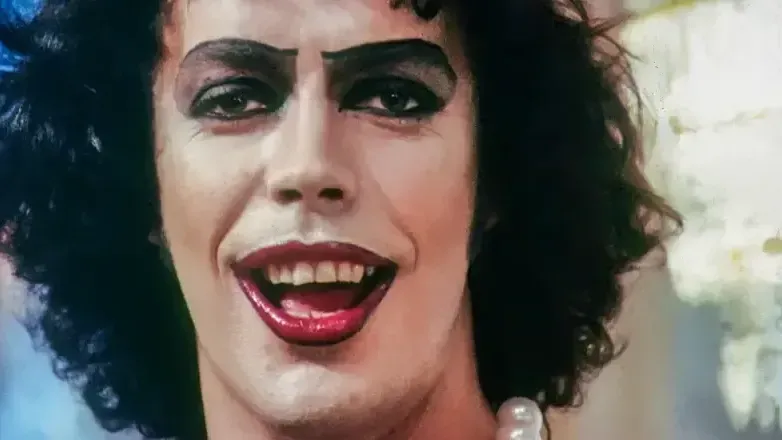
Photo Credit: Fox
by Chris Tremblay Aug 26
4 MIN READ
Tim Curry, the British actor and singer whose performances ranged from the theatrical Dr. Frank-N-Furter in The Rocky Horror Picture Show to the terrifying Pennywise in the 1990 television adaptation of Stephen King’s It, died Tuesday at his home in Los Angeles. He was 80.
Curry’s longtime agent and manager, Marcia Hurwitz, confirmed his death, according to The New York Times. A cause of death was not immediately available.
Reports from The Guardian and Deadline also identified Curry’s Los Angeles home as the location of his death. The reports said that Curry had experienced significant health problems since suffering a major stroke in 2012.
Curry became internationally known for playing Dr. Frank-N-Furter in The Rocky Horror Show, the stage musical created by Richard O’Brien, and in the 1975 film adaptation, The Rocky Horror Picture Show. The production’s blend of science-fiction imagery, horror conventions, glam-rock aesthetics and sexual transgression helped make Curry’s performance one of the most recognizable in modern cult cinema.
As Frank-N-Furter, Curry played a charismatic scientist whose elaborate costume, unapologetic sexuality and command of the film’s musical numbers became central to the movie’s cultural afterlife. The Guardian described the role as the performance that made Curry famous, while Deadline identified it as his signature part.
The film developed a long-running participatory following, with audiences attending screenings in costume and responding aloud to the movie. Curry’s performance remained particularly significant to generations of viewers drawn to the work’s challenge to conventional gender and sexual norms. The characterization itself is a fictional role and should not be treated as a statement of Curry’s personal gender identity or sexuality.
Before and alongside his film work, Curry established himself as a stage performer. The New York Times highlighted his portrayal of Mozart in the original Broadway production of Peter Shaffer’s Amadeus. The role demonstrated the range that would define Curry’s career: he could bring flamboyance and intensity to a comic or theatrical figure while retaining the precision of a trained stage actor.
Curry also appeared in films including Clue and Home Alone 2: Lost in New York. His work in Clue placed him in an ensemble built around stylized comedy and rapid-fire dialogue, while his appearance in Home Alone 2 introduced him to another large popular audience.
In 1990, Curry played Pennywise the clown in the television adaptation of King’s It. The role placed him in a markedly different performance register from Frank-N-Furter. Instead of musical theatricality and erotic camp, Curry used voice, stillness and menace to portray the supernatural antagonist confronting the story’s central group of children.
His screen work also included villainous and eccentric characters, but his career was not limited to live-action film. The coverage of his death noted his work across stage, film and television, as well as his broader status as a performer whose career extended over several decades.
Curry suffered a major stroke in 2012 and subsequently used a wheelchair, according to Deadline. The publication reported that he had faced serious health difficulties for more than a decade.
Those details provide context for the later period of Curry’s life, but they do not establish the cause of his death. No official cause was immediately released in the initial reports.
Curry continued to be associated with The Rocky Horror Picture Show, a work that has held a distinctive place in LGBTQ+ cultural history because of its celebration of sexual self-expression, gender nonconformity and outsider community. His portrayal of Frank-N-Furter contributed to that legacy, although the character is fictional and Curry’s personal identity should be described separately from the role.
Curry’s influence rested not only on the number of productions in which he appeared but also on the unusual clarity of his performances. Frank-N-Furter, Pennywise and his other prominent characters were visually and vocally distinctive, yet they belonged to different genres and demanded different techniques.
For LGBTQ+ audiences and allies, Rocky Horror has long been an important point of connection, particularly through communal screenings and the film’s resistance to rigid expectations about gender, desire and presentation. Curry’s work in the film helped make that resistance visible to mainstream audiences without reducing the character’s appeal to a single identity label.
At the same time, Curry’s career extended beyond one cult film. His stage work, mainstream movie appearances and horror performances established him as a versatile actor capable of moving between celebrated theatrical productions, broad comedy and psychological or supernatural horror.
Curry died as a performer whose most famous role remained continually rediscovered by new audiences. His work in The Rocky Horror Picture Show ensured that his image would remain part of a living, participatory tradition, while his performances in Amadeus, Clue, It and other productions documented a career substantially broader than any single character.
Reports from The Guardian and Deadline also identified Curry’s Los Angeles home as the location of his death. The reports said that Curry had experienced significant health problems since suffering a major stroke in 2012.
A Defining Performance in Rocky Horror
Curry became internationally known for playing Dr. Frank-N-Furter in The Rocky Horror Show, the stage musical created by Richard O’Brien, and in the 1975 film adaptation, The Rocky Horror Picture Show. The production’s blend of science-fiction imagery, horror conventions, glam-rock aesthetics and sexual transgression helped make Curry’s performance one of the most recognizable in modern cult cinema.
As Frank-N-Furter, Curry played a charismatic scientist whose elaborate costume, unapologetic sexuality and command of the film’s musical numbers became central to the movie’s cultural afterlife. The Guardian described the role as the performance that made Curry famous, while Deadline identified it as his signature part.
The film developed a long-running participatory following, with audiences attending screenings in costume and responding aloud to the movie. Curry’s performance remained particularly significant to generations of viewers drawn to the work’s challenge to conventional gender and sexual norms. The characterization itself is a fictional role and should not be treated as a statement of Curry’s personal gender identity or sexuality.
Stage and Screen Career
Before and alongside his film work, Curry established himself as a stage performer. The New York Times highlighted his portrayal of Mozart in the original Broadway production of Peter Shaffer’s Amadeus. The role demonstrated the range that would define Curry’s career: he could bring flamboyance and intensity to a comic or theatrical figure while retaining the precision of a trained stage actor.
Curry also appeared in films including Clue and Home Alone 2: Lost in New York. His work in Clue placed him in an ensemble built around stylized comedy and rapid-fire dialogue, while his appearance in Home Alone 2 introduced him to another large popular audience.
In 1990, Curry played Pennywise the clown in the television adaptation of King’s It. The role placed him in a markedly different performance register from Frank-N-Furter. Instead of musical theatricality and erotic camp, Curry used voice, stillness and menace to portray the supernatural antagonist confronting the story’s central group of children.
His screen work also included villainous and eccentric characters, but his career was not limited to live-action film. The coverage of his death noted his work across stage, film and television, as well as his broader status as a performer whose career extended over several decades.
Health and Later Years
Curry suffered a major stroke in 2012 and subsequently used a wheelchair, according to Deadline. The publication reported that he had faced serious health difficulties for more than a decade.
Those details provide context for the later period of Curry’s life, but they do not establish the cause of his death. No official cause was immediately released in the initial reports.
Curry continued to be associated with The Rocky Horror Picture Show, a work that has held a distinctive place in LGBTQ+ cultural history because of its celebration of sexual self-expression, gender nonconformity and outsider community. His portrayal of Frank-N-Furter contributed to that legacy, although the character is fictional and Curry’s personal identity should be described separately from the role.
A Lasting Cultural Legacy
Curry’s influence rested not only on the number of productions in which he appeared but also on the unusual clarity of his performances. Frank-N-Furter, Pennywise and his other prominent characters were visually and vocally distinctive, yet they belonged to different genres and demanded different techniques.
For LGBTQ+ audiences and allies, Rocky Horror has long been an important point of connection, particularly through communal screenings and the film’s resistance to rigid expectations about gender, desire and presentation. Curry’s work in the film helped make that resistance visible to mainstream audiences without reducing the character’s appeal to a single identity label.
At the same time, Curry’s career extended beyond one cult film. His stage work, mainstream movie appearances and horror performances established him as a versatile actor capable of moving between celebrated theatrical productions, broad comedy and psychological or supernatural horror.
Curry died as a performer whose most famous role remained continually rediscovered by new audiences. His work in The Rocky Horror Picture Show ensured that his image would remain part of a living, participatory tradition, while his performances in Amadeus, Clue, It and other productions documented a career substantially broader than any single character.
Copyright EDGE Media Network. All rights reserved. This material may not be published, broadcast, rewritten, or redistributed.