Doja Cat Discusses Past Cocaine Struggles and Problems With Alcohol
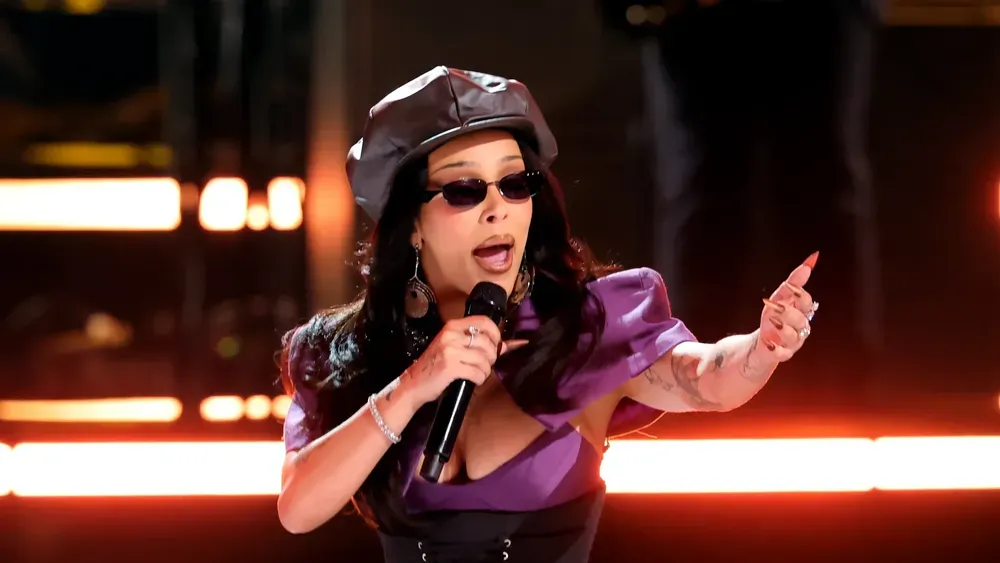
LOS ANGELES, CALIFORNIA - JUNE 28: Doja Cat performs onstage during the 2026 BET Awards at Peacock Theater on June 28, 2026 in Los Angeles, California. Photo Credit: Kevin Winter
by Chris Tremblay Sep 2
3 MIN READ
Doja Cat has disclosed that she previously struggled with cocaine and had problems with alcohol, offering a personal account of substance use, mental health and social-media pressure in TikTok videos posted August 31, 2026.
The Grammy-winning artist described the comments as a disclaimer she did not want to make before discussing cocaine use directly. “I have struggled with cocaine,” Doja Cat said, adding that she believed the period could have been about eight years earlier.
She then emphasized that the cocaine use was in the past, saying, “I’m well past that, so thank God.” TMZ likewise reported that Doja Cat characterized the cocaine struggle as occurring approximately eight years ago and said she was now “well past that.”
The videos do not establish that Doja Cat currently uses cocaine or alcohol. Her remarks instead focused on earlier experiences and on what she said she had learned from them.
In a separate TikTok video posted the same day, Doja Cat discussed alcohol and cannabis. She said she had never considered herself an alcoholic, but acknowledged that drinking had nevertheless caused difficulties.
“I was never an alcoholic, but I definitely had problems,” she said. Doja Cat also said that, apart from marijuana, she had not experienced what she described as a serious problem with drugs, while identifying alcohol as a substance that had caused problems for her.
Her comments should not be interpreted as a clinical diagnosis or as a substitute for a professional assessment of substance use. The language reported by the outlets reflects Doja Cat’s own description of her experiences, including her decision not to describe herself as an alcoholic.
Doja Cat warned viewers against combining alcohol and cocaine. “It’s not good to pair these two things together,” she said, before encouraging people to remain creative and care for themselves.
The singer connected her alcohol use to negative thoughts and to seeking validation online. “Using the internet as a means of validation to the negative thoughts in my head, which were then brought on by drinking alcohol,” she said.
She also said that undiagnosed or inadequately addressed mental illness combined with social media represented an “extreme issue” that she believed many people did not understand. TMZ reported that the videos addressed the relationship between mental-health concerns, online culture and the energy directed at critics.
Doja Cat further criticized the internet as a place where people project their views onto others and advised viewers not to give online trolls and bullies too much of their attention. Her remarks placed the discussion of substance use within a broader reflection on self-image, public scrutiny and the pressures of communicating through social platforms.
The TikTok discussion also included Doja Cat’s response to allegations that she had struggled with self-hatred. She said she had verbalized self-hatred when she was 16 and believed those feelings had begun when she was approximately 8 years old.
E! News reported that she associated the beginning of those feelings with moving to a predominantly white neighborhood. That account was presented as Doja Cat’s personal explanation and does not independently verify the causes or clinical meaning of her childhood experiences.
The artist said she wanted to address the subject publicly because she believed people rarely talk openly about such experiences. “Being public about this sort of thing is very important because a lot of people don’t talk about this,” she said.
E! News also reported that Doja Cat had discussed an “agonizing” experience with borderline personality disorder in March 2026. The August videos, however, did not provide a new clinical evaluation, treatment record or independent medical confirmation concerning her mental health or substance use.
The verified disclosures are that Doja Cat described a past struggle with cocaine, placed it roughly eight years earlier, said she was now “well past that,” and acknowledged problems with alcohol. She also discussed marijuana, mental health, negative self-talk and the use of social media for validation.
The available reporting does not say that she entered a named treatment program, identify a sobriety date or confirm that she has received a particular diagnosis related to substance use. It also does not document current cocaine use.
In its report, Billboard included information from the Substance Abuse and Mental Health Services Administration directing people experiencing mental-health or substance-use concerns to confidential treatment referrals and support. The agency’s national helpline is 1-800-662-HELP, according to Billboard’s published information.
She then emphasized that the cocaine use was in the past, saying, “I’m well past that, so thank God.” TMZ likewise reported that Doja Cat characterized the cocaine struggle as occurring approximately eight years ago and said she was now “well past that.”
The videos do not establish that Doja Cat currently uses cocaine or alcohol. Her remarks instead focused on earlier experiences and on what she said she had learned from them.
Alcohol and cannabis
In a separate TikTok video posted the same day, Doja Cat discussed alcohol and cannabis. She said she had never considered herself an alcoholic, but acknowledged that drinking had nevertheless caused difficulties.
“I was never an alcoholic, but I definitely had problems,” she said. Doja Cat also said that, apart from marijuana, she had not experienced what she described as a serious problem with drugs, while identifying alcohol as a substance that had caused problems for her.
Her comments should not be interpreted as a clinical diagnosis or as a substitute for a professional assessment of substance use. The language reported by the outlets reflects Doja Cat’s own description of her experiences, including her decision not to describe herself as an alcoholic.
Doja Cat warned viewers against combining alcohol and cocaine. “It’s not good to pair these two things together,” she said, before encouraging people to remain creative and care for themselves.
Mental health and social media
The singer connected her alcohol use to negative thoughts and to seeking validation online. “Using the internet as a means of validation to the negative thoughts in my head, which were then brought on by drinking alcohol,” she said.
She also said that undiagnosed or inadequately addressed mental illness combined with social media represented an “extreme issue” that she believed many people did not understand. TMZ reported that the videos addressed the relationship between mental-health concerns, online culture and the energy directed at critics.
Doja Cat further criticized the internet as a place where people project their views onto others and advised viewers not to give online trolls and bullies too much of their attention. Her remarks placed the discussion of substance use within a broader reflection on self-image, public scrutiny and the pressures of communicating through social platforms.
Self-hate and earlier comments
The TikTok discussion also included Doja Cat’s response to allegations that she had struggled with self-hatred. She said she had verbalized self-hatred when she was 16 and believed those feelings had begun when she was approximately 8 years old.
E! News reported that she associated the beginning of those feelings with moving to a predominantly white neighborhood. That account was presented as Doja Cat’s personal explanation and does not independently verify the causes or clinical meaning of her childhood experiences.
The artist said she wanted to address the subject publicly because she believed people rarely talk openly about such experiences. “Being public about this sort of thing is very important because a lot of people don’t talk about this,” she said.
E! News also reported that Doja Cat had discussed an “agonizing” experience with borderline personality disorder in March 2026. The August videos, however, did not provide a new clinical evaluation, treatment record or independent medical confirmation concerning her mental health or substance use.
What the videos establish
The verified disclosures are that Doja Cat described a past struggle with cocaine, placed it roughly eight years earlier, said she was now “well past that,” and acknowledged problems with alcohol. She also discussed marijuana, mental health, negative self-talk and the use of social media for validation.
The available reporting does not say that she entered a named treatment program, identify a sobriety date or confirm that she has received a particular diagnosis related to substance use. It also does not document current cocaine use.
In its report, Billboard included information from the Substance Abuse and Mental Health Services Administration directing people experiencing mental-health or substance-use concerns to confidential treatment referrals and support. The agency’s national helpline is 1-800-662-HELP, according to Billboard’s published information.
Copyright EDGE Media Network. All rights reserved. This material may not be published, broadcast, rewritten, or redistributed.