Caleb Shomo Details Homophobic Backlash After Coming Out as Gay
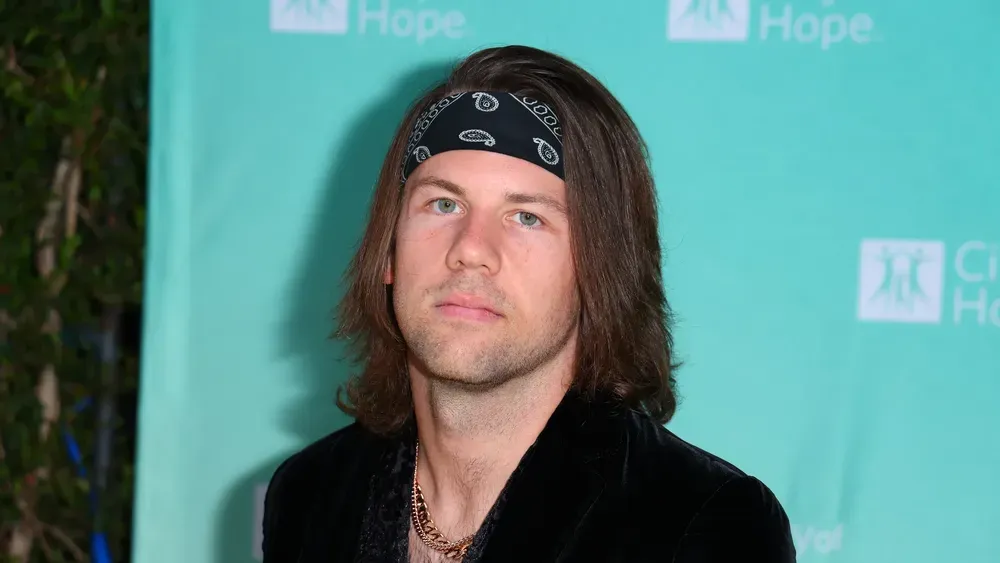
WEST HOLLYWOOD, CALIFORNIA - OCTOBER 27: Caleb Shomo attends City of Hope's 2022 Spirit of Life Gala at Pacific Design Center on October 27, 2022 in West Hollywood, California. Photo Credit: Leon Bennett
by Chris Tremblay Sep 2
3 MIN READ
Caleb Shomo, vocalist and founding member of the metalcore band Beartooth, has described receiving “a lot of homophobia” after publicly expressing himself in ways that challenged some listeners’ expectations of him.
Shomo discussed the experience in an interview with The Break Down with Nath & Johnny, released on August 27, 2026. The conversation came after several months of public attention surrounding his appearance, Beartooth’s music and his May announcement that he is gay.
“I mean, a lot of the day I’d be in a really, really bad place,” Shomo said while describing the period surrounding his coming out and the public reaction to it. He said he had been trying to live and perform with greater freedom, including choosing how he dressed, sang and presented himself.
“I’m going to just do what I wanna do,” Shomo said in the interview. “I’m gonna wear what I wanna wear. I’m gonna sing how I wanna sing. I’m gonna look how I wanna look and just enjoy being an artist that’s allowed to do that, and that has the freedom to do that.”
He said that freedom was met with “a lot of opposition” and “really, just a lot of homophobia,” adding that some people were not comfortable with the way he was presenting himself or with his creative choices.
The backlash described by Shomo followed the February release of Beartooth’s single “Free” and its accompanying music video. The video presented him in a more flamboyant style, including makeup and fashion choices that differed from the image associated with some of the band’s earlier work.
The response included criticism of the song’s sound and mockery of Shomo’s appearance. Some of the online comments were explicitly homophobic, according to reporting by NME, USA TODAY and other music publications.
Shomo subsequently removed his personal Instagram account after the reaction to “Free,” although early reports noted that he did not publicly give a definitive explanation for the deletion. In a later interview, however, he linked the broader period to the pressure and hostility he was experiencing while his personal life and creative direction were under public scrutiny.
The controversy also drew attention after Chris Fronzak, frontman of the band Attila, posted a joke about Shomo’s appearance on X, formerly known as Twitter. Fronzak later deleted the post and apologized.
Shomo publicly came out as gay in an Instagram statement on May 23, 2026, describing himself as “a proudly gay man.” In that statement, he addressed speculation about his personal life and connected the announcement to a period of significant personal change.
The announcement followed months of public discussion about Shomo’s changing appearance and Beartooth’s evolving musical direction. Reporting has also connected the period to the end of Shomo’s marriage to Fleur Shomo, whom he had married in 2012.
Shomo told The Break Down with Nath & Johnny that coming out did not end the hostility. “It didn’t really change as we kept releasing more songs, and the very vocal opposition continued and still continues,” he said. He added, “And me coming out didn’t help that, and just being honest with people about who I am and what’s been going on.”
The singer characterized the experience as “sad,” according to a report summarizing the interview. He also said he temporarily withdrew from the internet because he was going through an especially difficult period.
The discussion took place as Beartooth promoted The Surface? No—rather, the band’s album Pure Ecstasy, which was released on August 28, 2026, through Fearless Records.
Shomo has said that the new music reflects a more open and liberated approach to his identity and creativity. In the interview, he described learning to feel more comfortable in his own skin and finding the strength to pursue joy rather than continuing to conceal parts of himself.
The album’s release places the backlash within a broader artistic transition for Beartooth, whose “Free” video and recent public presentation represented a visible departure from expectations some fans had formed around the band. Shomo’s account indicates that the criticism was not limited to musical disagreement but included attacks directed at his perceived gender expression and sexual orientation.
Shomo said he is taking “baby steps” while continuing to process the experience and write future material. He also indicated that he still has personal experiences to work through.
The late-August interview is the most detailed recent account from Shomo about the backlash connected to his coming out and his changing artistic image. His comments make clear that the hostility began before his public announcement and continued afterward, while his public work has increasingly centered on self-expression and personal honesty.
“I mean, a lot of the day I’d be in a really, really bad place,” Shomo said while describing the period surrounding his coming out and the public reaction to it. He said he had been trying to live and perform with greater freedom, including choosing how he dressed, sang and presented himself.
“I’m going to just do what I wanna do,” Shomo said in the interview. “I’m gonna wear what I wanna wear. I’m gonna sing how I wanna sing. I’m gonna look how I wanna look and just enjoy being an artist that’s allowed to do that, and that has the freedom to do that.”
He said that freedom was met with “a lot of opposition” and “really, just a lot of homophobia,” adding that some people were not comfortable with the way he was presenting himself or with his creative choices.
The controversy began before his coming out
The backlash described by Shomo followed the February release of Beartooth’s single “Free” and its accompanying music video. The video presented him in a more flamboyant style, including makeup and fashion choices that differed from the image associated with some of the band’s earlier work.
The response included criticism of the song’s sound and mockery of Shomo’s appearance. Some of the online comments were explicitly homophobic, according to reporting by NME, USA TODAY and other music publications.
Shomo subsequently removed his personal Instagram account after the reaction to “Free,” although early reports noted that he did not publicly give a definitive explanation for the deletion. In a later interview, however, he linked the broader period to the pressure and hostility he was experiencing while his personal life and creative direction were under public scrutiny.
The controversy also drew attention after Chris Fronzak, frontman of the band Attila, posted a joke about Shomo’s appearance on X, formerly known as Twitter. Fronzak later deleted the post and apologized.
Coming out and continued scrutiny
Shomo publicly came out as gay in an Instagram statement on May 23, 2026, describing himself as “a proudly gay man.” In that statement, he addressed speculation about his personal life and connected the announcement to a period of significant personal change.
The announcement followed months of public discussion about Shomo’s changing appearance and Beartooth’s evolving musical direction. Reporting has also connected the period to the end of Shomo’s marriage to Fleur Shomo, whom he had married in 2012.
Shomo told The Break Down with Nath & Johnny that coming out did not end the hostility. “It didn’t really change as we kept releasing more songs, and the very vocal opposition continued and still continues,” he said. He added, “And me coming out didn’t help that, and just being honest with people about who I am and what’s been going on.”
The singer characterized the experience as “sad,” according to a report summarizing the interview. He also said he temporarily withdrew from the internet because he was going through an especially difficult period.
Music as a response
The discussion took place as Beartooth promoted The Surface? No—rather, the band’s album Pure Ecstasy, which was released on August 28, 2026, through Fearless Records.
Shomo has said that the new music reflects a more open and liberated approach to his identity and creativity. In the interview, he described learning to feel more comfortable in his own skin and finding the strength to pursue joy rather than continuing to conceal parts of himself.
The album’s release places the backlash within a broader artistic transition for Beartooth, whose “Free” video and recent public presentation represented a visible departure from expectations some fans had formed around the band. Shomo’s account indicates that the criticism was not limited to musical disagreement but included attacks directed at his perceived gender expression and sexual orientation.
Shomo said he is taking “baby steps” while continuing to process the experience and write future material. He also indicated that he still has personal experiences to work through.
The late-August interview is the most detailed recent account from Shomo about the backlash connected to his coming out and his changing artistic image. His comments make clear that the hostility began before his public announcement and continued afterward, while his public work has increasingly centered on self-expression and personal honesty.
Copyright EDGE Media Network. All rights reserved. This material may not be published, broadcast, rewritten, or redistributed.