Kathy Griffin Recalls Dolly Parton’s Private Support for Her Comedy
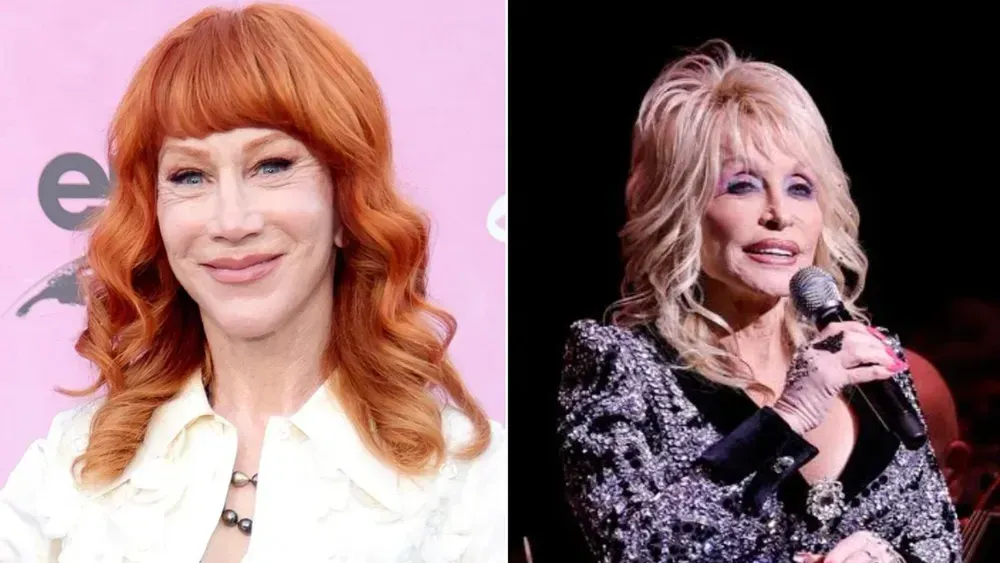
Photo Credit: Getty
by Chris Tremblay Sep 9
3 MIN READ
Kathy Griffin says Dolly Parton was a longtime private admirer of her comedy, despite declining Griffin’s invitation to appear on the Bravo reality series My Life on the D-List.
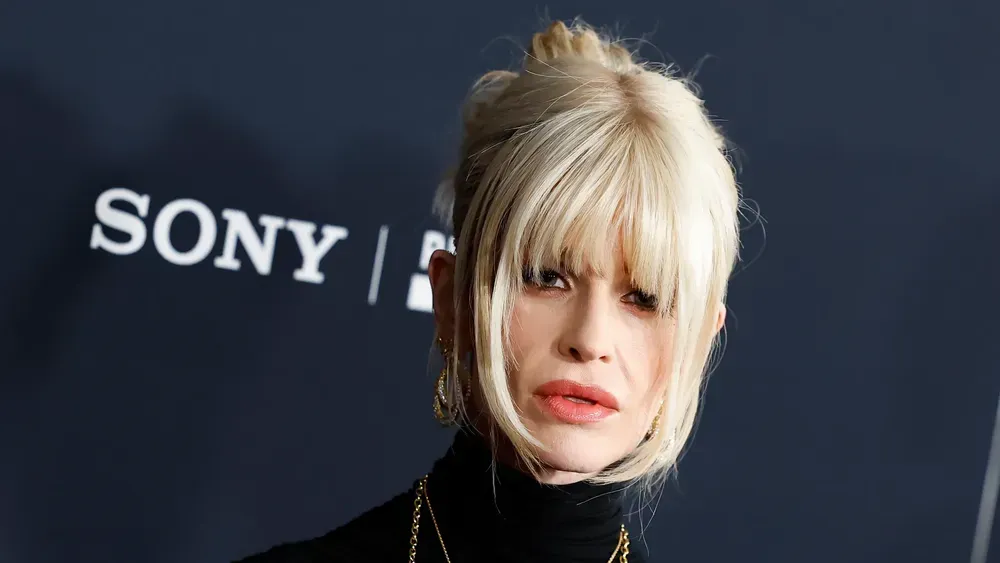
Griffin discussed the relationship in an interview with Entertainment Weekly published September 8, while promoting her upcoming stand-up tour, New Face, New Tour.
The interview followed Parton’s death on August 25 at age 80 after what her family described as a brief battle with cancer.
According to Griffin, Parton told her privately on two occasions that she appreciated Griffin’s willingness to say things that Parton herself might hesitate to say publicly.
Griffin quoted Parton as calling her “a funny bitch” and saying, “You say the stuff I’m afraid to say, but I want to hear you say it.”
The remarks were presented by Entertainment Weekly as Griffin’s recollection of private conversations, rather than as statements independently confirmed by Parton or her representatives.
Griffin said she had hoped Parton would make a guest appearance on My Life on the D-List, the series that followed Griffin’s professional and personal life and concluded after six seasons in 2010.
She said she was reluctant to ask Parton directly and considered approaching the singer through their mutual attorney.
Griffin said Parton ultimately declined because Griffin’s material was more outrageous than what some of Parton’s fans might expect from the country singer.
Despite turning down the appearance, Parton allegedly sent Griffin a letter expressing support for the program and its host.
Griffin recalled the letter as saying, “I wish I could do it. I watch it all the time. Keep doing your thing. You’re so good at what you do.”
Griffin described the letter as unusually meaningful because Parton was honest about liking the show while also explaining why she would not participate.
No image of the letter or independent confirmation of its contents was included in the Entertainment Weekly report.
Griffin had also referred to Parton in a post on Threads after the singer’s death.
In that post, Griffin said Parton had privately encouraged her not to retreat from her style of comedy and had urged her to continue confronting people she considered dishonest.
Griffin also praised Parton’s laugh and expressed gratitude for the opportunity to have spoken with her.
The account was one of many personal tributes that followed Parton’s death, which prompted messages from entertainers, public figures and fans internationally.
Reuters described Parton as a singer, songwriter and actress whose career and public image had reached audiences around the world over nearly six decades.
The BBC reported that Parton’s family held a private funeral in Nashville and that a tribute concert took place at the Grand Ole Opry House.
The Guardian reported that Parton died at Vanderbilt-Ingram Cancer Center surrounded by loved ones, citing a statement from her team.
Griffin and Parton built markedly different public identities, although Griffin’s account suggests that Parton privately appreciated the comedian’s provocative approach.
Griffin became widely known for confrontational celebrity satire and for the reality series that documented her effort to advance her career in entertainment.
Parton, by contrast, was publicly associated with country music, songwriting, acting, philanthropy and businesses including Dollywood.
The reported letter therefore represents Griffin’s description of a private exchange between two entertainers whose public styles were different but whose professional relationship included mutual recognition.
Parton’s reported support also centered on Griffin’s creative independence rather than on a joint project that was ultimately completed.
Griffin’s comments were made while she was preparing to take New Face, New Tour on the road.
The tour was scheduled to begin September 11 in Tacoma, Washington.
The timing placed Griffin’s recollections within the broader period of mourning and remembrance following Parton’s death.
For Griffin, the story was not about a public collaboration but about encouragement that she says Parton offered away from cameras and audiences.
Her account adds a small, personal dimension to the public record of Parton’s career: a claim that the singer followed Griffin’s work, valued its candor and privately encouraged her to continue.
Because the central details come from Griffin’s own recollection, the letter and private conversations should be understood as reported personal testimony rather than independently verified documentation.
The interview followed Parton’s death on August 25 at age 80 after what her family described as a brief battle with cancer.
According to Griffin, Parton told her privately on two occasions that she appreciated Griffin’s willingness to say things that Parton herself might hesitate to say publicly.
Griffin quoted Parton as calling her “a funny bitch” and saying, “You say the stuff I’m afraid to say, but I want to hear you say it.”
The remarks were presented by Entertainment Weekly as Griffin’s recollection of private conversations, rather than as statements independently confirmed by Parton or her representatives.
The invitation to appear on Bravo
Griffin said she had hoped Parton would make a guest appearance on My Life on the D-List, the series that followed Griffin’s professional and personal life and concluded after six seasons in 2010.
She said she was reluctant to ask Parton directly and considered approaching the singer through their mutual attorney.
Griffin said Parton ultimately declined because Griffin’s material was more outrageous than what some of Parton’s fans might expect from the country singer.
Despite turning down the appearance, Parton allegedly sent Griffin a letter expressing support for the program and its host.
Griffin recalled the letter as saying, “I wish I could do it. I watch it all the time. Keep doing your thing. You’re so good at what you do.”
Griffin described the letter as unusually meaningful because Parton was honest about liking the show while also explaining why she would not participate.
No image of the letter or independent confirmation of its contents was included in the Entertainment Weekly report.
Griffin’s tribute after Parton’s death
Griffin had also referred to Parton in a post on Threads after the singer’s death.
In that post, Griffin said Parton had privately encouraged her not to retreat from her style of comedy and had urged her to continue confronting people she considered dishonest.
Griffin also praised Parton’s laugh and expressed gratitude for the opportunity to have spoken with her.
The account was one of many personal tributes that followed Parton’s death, which prompted messages from entertainers, public figures and fans internationally.
Reuters described Parton as a singer, songwriter and actress whose career and public image had reached audiences around the world over nearly six decades.
The BBC reported that Parton’s family held a private funeral in Nashville and that a tribute concert took place at the Grand Ole Opry House.
The Guardian reported that Parton died at Vanderbilt-Ingram Cancer Center surrounded by loved ones, citing a statement from her team.
Contrasting public personas
Griffin and Parton built markedly different public identities, although Griffin’s account suggests that Parton privately appreciated the comedian’s provocative approach.
Griffin became widely known for confrontational celebrity satire and for the reality series that documented her effort to advance her career in entertainment.
Parton, by contrast, was publicly associated with country music, songwriting, acting, philanthropy and businesses including Dollywood.
The reported letter therefore represents Griffin’s description of a private exchange between two entertainers whose public styles were different but whose professional relationship included mutual recognition.
Parton’s reported support also centered on Griffin’s creative independence rather than on a joint project that was ultimately completed.
Tour context
Griffin’s comments were made while she was preparing to take New Face, New Tour on the road.
The tour was scheduled to begin September 11 in Tacoma, Washington.
The timing placed Griffin’s recollections within the broader period of mourning and remembrance following Parton’s death.
For Griffin, the story was not about a public collaboration but about encouragement that she says Parton offered away from cameras and audiences.
Her account adds a small, personal dimension to the public record of Parton’s career: a claim that the singer followed Griffin’s work, valued its candor and privately encouraged her to continue.
Because the central details come from Griffin’s own recollection, the letter and private conversations should be understood as reported personal testimony rather than independently verified documentation.
Copyright EDGE Media Network. All rights reserved. This material may not be published, broadcast, rewritten, or redistributed.