Sylvester Stallone Says Pursuit of ‘Rocky III’ Physique Led to Bulimia
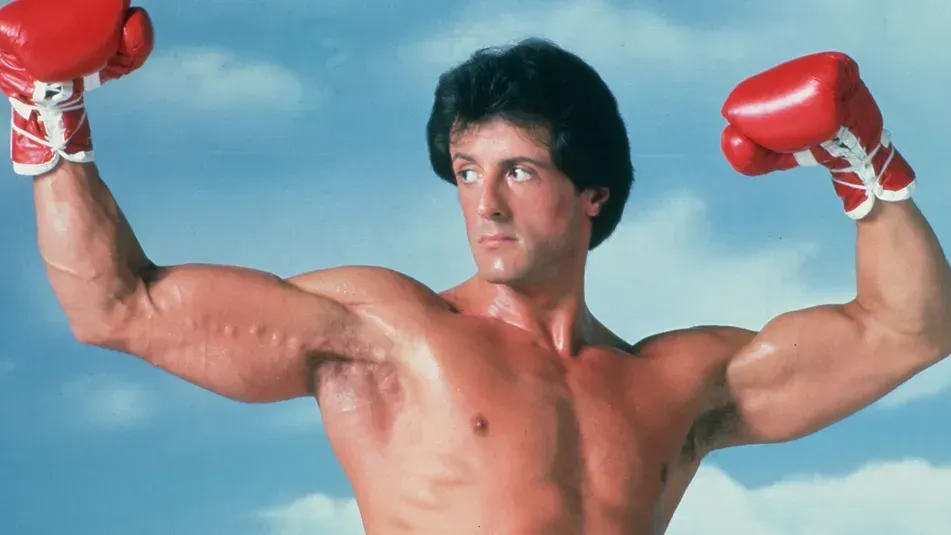
Photo Credit: MGM
by Chris Tremblay Sep 28
3 MIN READ
Sylvester Stallone says that his drive to shape his body for film roles became an obsession and developed into bulimia during the period when he was making "Rocky III".
The actor, now 80, described the experience in an interview with "The New York Times" published September 26, speaking with journalist Lulu Garcia-Navarro as he discussed his life and career.
“It became an obsession, really bad,” Stallone said, according to the interview; he added, “It became to the point where I became bulimic.”
He said that while filming "Rocky III", he reached what he described as 2.6 percent body fat and struggled to keep food down.
Stallone described the change in his relationship with his appearance as connected to his characters and the physiques he felt they called for.
In his account, he initially saw the physique he wanted for Rocky as a kind of “armor,” and imagined making his body look more like a jaguar or cat: lean, athletic and aggressive.
He contrasted that idea with the physicality he associated with Rambo, a warrior character he said should appear more animalistic.
The New York Times interview places this account within a career that began with Stallone writing and starring in "Rocky", followed by additional films in the franchise and the "Rambo" series.
The Times describes Stallone and fellow action star Arnold Schwarzenegger as influential in shaping a particular image of masculinity in popular culture—physically imposing and emotionally restrained.
Stallone’s interview is a personal account of his experience; the reporting does not independently establish his historical body-fat measurement or provide clinical records concerning his eating disorder.
Alongside his account of bulimia, Stallone said he used steroids while pursuing the physique he wanted for his film roles.
He said the steroid use took a “terrible toll” on his body and recounted having multiple operations, including nine back operations, two shoulder operations and three neck fusions.
Stallone said he was still trying to stay in good shape, while describing himself as taking medication to keep going.
Looking back, he said he would advise himself to let someone else carry the banner and to avoid doing his own stunts.
These details come from Stallone’s own recollections as reported in the interview; the sources cited here do not supply independent medical assessments of the conditions or procedures he described.
The interview appeared as Stallone discussed his memoir, "The Steps", which the Times says examines his life, work and cultural impact.
The book’s title refers to the steps of the Philadelphia Museum of Art featured in "Rocky", according to the Times.
In the interview, Stallone reflected on regrets about what ambition and fame had done to his mind and body, saying he could “make a castle out of regrets.”
The memoir discussion also brought him back to difficult memories from childhood; he described revisiting them as involving mixed emotions, including tears, laughter, anger and bitterness.
His disclosures about bulimia and steroid use were also reported by "People" and the "New York Daily News" after publication of the Times interview.
The accounts provide multiple reports of what Stallone said, but the cited follow-up stories likewise draw on the same interview rather than presenting separate firsthand interviews with him about the disclosure.
The disclosures do not establish that a particular body type is necessary for an action role; they document Stallone’s description of the personal choices and consequences he associated with his own pursuit of one.
“It became an obsession, really bad,” Stallone said, according to the interview; he added, “It became to the point where I became bulimic.”
He said that while filming "Rocky III", he reached what he described as 2.6 percent body fat and struggled to keep food down.
Stallone described the change in his relationship with his appearance as connected to his characters and the physiques he felt they called for.
From character design to fixation
In his account, he initially saw the physique he wanted for Rocky as a kind of “armor,” and imagined making his body look more like a jaguar or cat: lean, athletic and aggressive.
He contrasted that idea with the physicality he associated with Rambo, a warrior character he said should appear more animalistic.
The New York Times interview places this account within a career that began with Stallone writing and starring in "Rocky", followed by additional films in the franchise and the "Rambo" series.
The Times describes Stallone and fellow action star Arnold Schwarzenegger as influential in shaping a particular image of masculinity in popular culture—physically imposing and emotionally restrained.
Stallone’s interview is a personal account of his experience; the reporting does not independently establish his historical body-fat measurement or provide clinical records concerning his eating disorder.
Steroid use and the toll he described
Alongside his account of bulimia, Stallone said he used steroids while pursuing the physique he wanted for his film roles.
He said the steroid use took a “terrible toll” on his body and recounted having multiple operations, including nine back operations, two shoulder operations and three neck fusions.
Stallone said he was still trying to stay in good shape, while describing himself as taking medication to keep going.
Looking back, he said he would advise himself to let someone else carry the banner and to avoid doing his own stunts.
These details come from Stallone’s own recollections as reported in the interview; the sources cited here do not supply independent medical assessments of the conditions or procedures he described.
A memoir and a long look back
The interview appeared as Stallone discussed his memoir, "The Steps", which the Times says examines his life, work and cultural impact.
The book’s title refers to the steps of the Philadelphia Museum of Art featured in "Rocky", according to the Times.
In the interview, Stallone reflected on regrets about what ambition and fame had done to his mind and body, saying he could “make a castle out of regrets.”
The memoir discussion also brought him back to difficult memories from childhood; he described revisiting them as involving mixed emotions, including tears, laughter, anger and bitterness.
His disclosures about bulimia and steroid use were also reported by "People" and the "New York Daily News" after publication of the Times interview.
The accounts provide multiple reports of what Stallone said, but the cited follow-up stories likewise draw on the same interview rather than presenting separate firsthand interviews with him about the disclosure.
The disclosures do not establish that a particular body type is necessary for an action role; they document Stallone’s description of the personal choices and consequences he associated with his own pursuit of one.
Copyright EDGE Media Network. All rights reserved. This material may not be published, broadcast, rewritten, or redistributed.