Ne-Yo Says Nashville Has “Embraced” His Country Pivot, Citing Dolly Parton as Key Inspiration
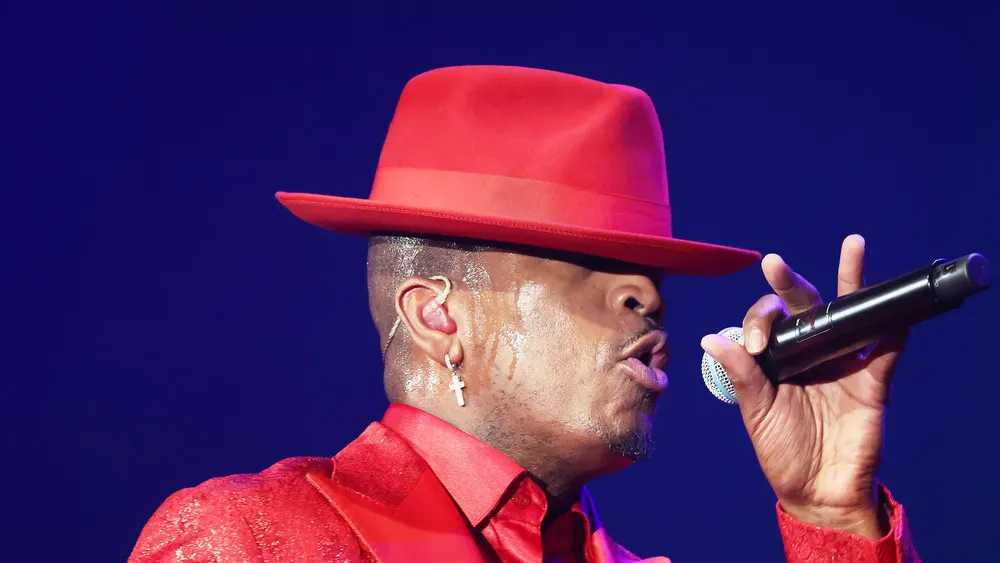
NEW YORK, NEW YORK - OCTOBER 16: Ne-Yo performs onstage during The Buoniconti Fund to Cure Paralysis’ 38th Annual Great Sports Legends Dinner, at the Marriott Marquis. The event raised millions for The Buoniconti Fund, the fundraising arm of The Miami Project to Cure Paralysis, a designated Center of Excellence at the University of Miami Miller School of medicine and the world’s premier spinal cord injury research center at Marriott Marquis Times Square on October 16, 2023 in New York City. Photo Credit: Mike Coppola
Three‑time Grammy winner Ne‑Yo is deep into what he calls his “country music era,” working on a country‑inspired project while spending significant time in Nashville’s studios and writers’ rooms. The singer, known for R&B hits like “So Sick” and “Miss Independent,” recently confirmed that he is “hard at work on a country album” and actively collaborating with Nashville musicians.
Those warnings echo long‑running conversations about race, genre boundaries, and who is welcomed—or shut out—within mainstream country, debates that have also affected Black women, queer artists, and other marginalized performers. While Ne‑Yo has not framed his own experience specifically in terms of sexuality or gender identity, these broader industry patterns shape the cultural landscape that both LGBTQ+ and Black creators navigate in Nashville and beyond.
“Embraced with open arms”
Despite going in with tempered expectations, Ne‑Yo says the reality of working in Nashville has been markedly more welcoming than he was led to believe. “Every single person I’ve worked with out here has embraced what I’m trying to do with open arms,” he said, describing the community’s reaction as both curious and supportive of his genre‑blending ambitions.
Ne‑Yo added that collaborators in “Music City” have been “interested and intrigued” by his effort to fuse his R&B instincts with country traditions, rather than pressuring him to abandon his musical roots. He noted that “everybody’s just been really receptive,” quipping that he is still “waiting to meet whoever the hell it is that is going to be the bane of my Nashville experience” because his time there has been so positive so far.
His comments land at a moment when Nashville’s relationship with artists of color and genre‑fluid performers is under intense scrutiny, and stories of welcoming creative spaces can hold particular resonance for Black, queer, and genre‑nonconforming musicians looking for evidence that the city can be a safer, more inclusive place to work. At the same time, Ne‑Yo’s praise for his collaborators does not erase ongoing structural barriers that many marginalized artists continue to report, underscoring how individual experiences can differ widely within the same ecosystem.
Dolly Parton as a storytelling blueprint
As he steps into country spaces, Ne‑Yo has been explicit about the creative North Stars guiding his new work, placing Dolly Parton at the center of that constellation. He said he “fell in love with the storytelling elements” of country, spotlighting Parton’s “Jolene” as a prime example of the kind of songwriting that draws him to the genre.
Ne‑Yo praised the “cleverness of the lyric” and the “vulnerability of the lyric” in songs like “Jolene,” calling it “such a human song” because of its open, pleading narrative. He contrasted that emotional honesty with what he sees as a more ego‑driven streak in much of contemporary music, highlighting that in Parton’s song, “She’s literally begging another woman not to steal her man,” a stance that showcases fragility instead of bravado.
Ne‑Yo also cited Reba McEntire, Garth Brooks, and Clint Black as country artists who shaped his understanding of what narrative‑driven songwriting can do, rounding out a list of influences rooted in mainstream, legacy country. For LGBTQ+ fans and artists who have long embraced Dolly Parton as an icon of camp, kindness, and allyship, Ne‑Yo’s admiration for her storytelling highlights how country’s emotional core can resonate across genres, identities, and fan communities.
“Country‑inspired,” not claiming the label
Even as he invests deeply in Nashville collaborations, Ne‑Yo is careful about how he labels this new chapter. Speaking to The Tennessean in September 2025, he said, “I’m not a country artist,” describing this project as his “first official attempt at trying to naturally transition into creating something in the country lane.”
He added that, given his newcomer status in the genre, “it’s disrespectful to call myself a country artist,” emphasizing instead that his music is “more than anything…country‑inspired.” That framing acknowledges both the traditions and communities that have defined country music for decades and the long struggle many boundary‑pushing artists face to get recognition when they sit at the edges of genre definitions.
For listeners who live at intersections of multiple identities—such as Black LGBTQ+ country fans who rarely see themselves reflected at the center of Nashville’s mainstream—Ne‑Yo’s willingness to honor the culture he is entering while being transparent about his outside perspective can read as a gesture of respect. His insistence on describing this phase as a fusion, not a takeover, leaves room for country’s existing communities, including queer and transgender artists who have been steadily building their own spaces in and around the city’s institutions.
A broader conversation about inclusion
Ne‑Yo’s account of being “embraced” by the Nashville scene arrives during a broader reckoning over who country music is for and how inclusive its gatekeepers truly are. While he reports an overwhelmingly positive response from collaborators and industry figures, many Black, queer, and gender‑diverse artists continue to share stories of exclusion, tokenization, or pressure to conform to narrow expectations around image and sound.
Ne‑Yo’s experience suggests that, at least in some corners of Nashville’s creative community, there is genuine curiosity about cross‑genre collaboration and openness to artists who do not fit traditional molds. For LGBTQ+ country fans, this kind of environment—where difference is treated as a source of artistic possibility rather than a problem to be fixed—can be a crucial step toward building spaces where queer and transgender people are welcomed not only as audiences but as central storytellers.
At the same time, Ne‑Yo’s positive assessment does not erase systemic inequalities in country radio, award shows, or label rosters, where marginalized artists still face obstacles. The contrast between his optimistic outlook and the wider critiques of Nashville can invite industry leaders and fans alike to ask who is being embraced, who is still being left at the margins, and what it might take for the city’s “open arms” to extend fully to Black, queer, and gender‑diverse artists across the board.
Copyright EDGE Media Network. All rights reserved. This material may not be published, broadcast, rewritten, or redistributed.