Colman Domingo Defends Michael Jackson Biopic’s Decision to Omit Abuse Allegations
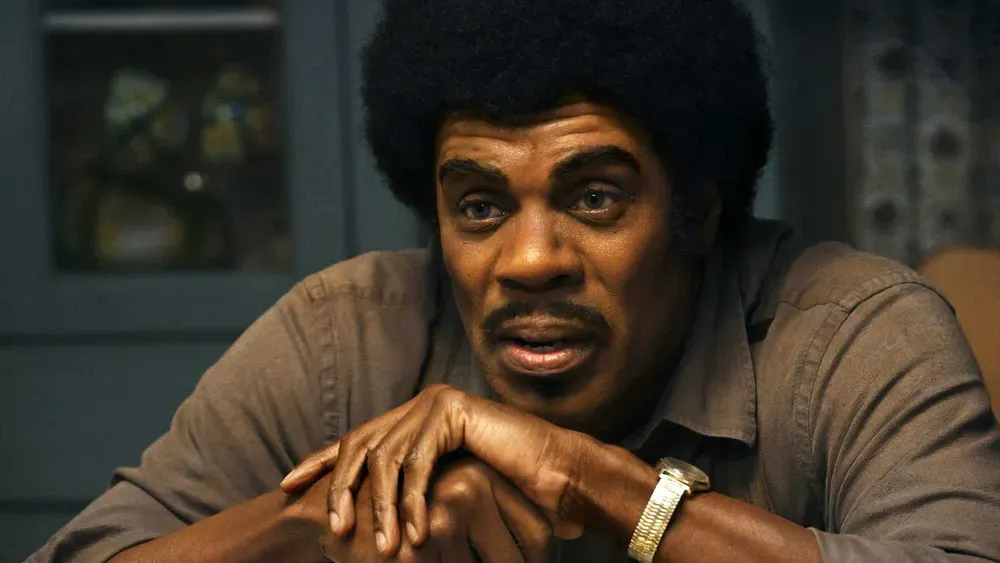
Photo Credit: Lionsgate
by Chris Tremblay Apr 25
5 MIN READ
Colman Domingo has publicly defended the upcoming Michael Jackson biopic, titled Michael, after criticism that the film “whitewashes” or sidesteps the sexual abuse allegations that have shaped the singer’s legacy for decades. The renewed debate emerged as Domingo and co‑star Nia Long appeared on NBC’s Today show ahead of the film’s theatrical release, where they were asked directly why the movie does not address the allegations and what that omission means in an era of increased focus on survivors of abuse.
The film, which stars Jaafar Jackson as his uncle Michael Jackson and Domingo as the singer’s father, Joe Jackson, is described by its cast as an “intimate portrait” of Jackson’s formative years, following his journey from child performer to global superstar. The decision to end the timeline around 1988—before the first public child sexual abuse allegations were reported in the early 1990s—has become a flashpoint for critics, survivors’ advocates, and some fans who argue that any feature‑length portrait of Jackson that omits those claims risks rewriting history.
During the Today interview, host Craig Melvin pressed Domingo and Long on why Michael avoids the abuse allegations, noting that social norms have shifted and that survivors’ accounts are now more likely to be taken seriously by the public and the media. In response, Domingo said the film’s narrative is intentionally confined to a period from the 1960s through 1988, framing it as a story about “the makings of Michael” rather than a full cradle‑to‑grave biographical treatment.
Domingo told the program that the film is focused on Jackson’s roots, influences, upbringing and search for his artistic voice, emphasizing that it shows “who Michael is” as an artist and son rather than exploring the later legal and public controversies. He added that the project presents Jackson’s story “through his eyes,” echoing language from co‑star Nia Long and suggesting that this creative decision explains why later allegations are not depicted in the film’s current form.
Nia Long, who portrays Katherine Jackson, framed the film’s approach as one that centers Michael Jackson’s perspective and lived experience during the period it covers, saying the team wanted to tell his story “through his eyes.” She suggested that this narrative choice, along with the time frame ending before the first public abuse allegations, contributed to the decision not to depict those claims in Michael.
Both Long and Domingo indicated that there is a “possibility” of a second film that could address events in Jackson’s life after 1988, implicitly including the period when allegations and legal challenges came to dominate coverage of the singer. Domingo called Michael a project about “the making of Michael,” hinting that a follow‑up could explore “other things that may happen afterwards,” although no sequel has been officially announced by the studio and any such project would face its own creative and legal scrutiny.
Michael Jackson was first publicly accused of child sexual abuse in 1993, when Los Angeles dentist and screenwriter Evan Chandler alleged that the singer abused his 13‑year‑old son, Jordan Chandler, after befriending the boy through a car‑rental connection. Chandler’s family filed a civil lawsuit that was later settled out of court; reporting has estimated the settlement at up to roughly $30 million, and the associated criminal investigation was closed in 1994 without charges at that time.
Coverage of the new biopic has highlighted that Jackson’s estate and legal history continue to shape how his story can be told on screen, with Variety reporting that a clause in the Chandler settlement prohibits any depiction or mention of Jordan Chandler in film projects, which may have influenced Michael’s narrative scope. The Independent reported that early versions of the film were initially expected to touch on the first abuse allegations, but that scenes were allegedly removed and the ending reshot after lawyers raised concerns that referencing the Chandler case could breach settlement terms, a claim that has not been independently detailed by the studio in public statements.
Domingo’s remarks arrive amid criticism from some commentators and survivors’ advocates who say that omitting abuse allegations from a major studio biopic risks sanitizing Jackson’s public image and sidelining the experiences of people who have come forward. The Independent characterized the film as “universally‑panned” in early critical reaction and said detractors argue that the narrative choice to end in 1988 erases “a significant and controversial part” of Jackson’s life, even as the movie seeks to celebrate his artistry and cultural impact.
For many LGBTQ+ viewers and allies who have supported survivor‑centered movements across entertainment, questions about how powerful figures are portrayed on screen intersect with broader conversations about accountability, power, and the need to uplift the voices of people who report abuse. Survivor advocates have previously criticized media projects that focus heavily on an accused person’s perspective without equal attention to those who came forward, arguing that such depictions can retraumatize survivors and discourage others from speaking out.
The biopic is being produced with the cooperation of the Michael Jackson estate, a factor that has prompted scrutiny from critics who question whether estate‑backed projects can offer a fully independent account of disputed events. While recent reporting emphasizes the estate’s involvement in granting access to Jackson’s music and likeness, outlets have noted that this relationship can make it harder for filmmakers to address allegations that the estate has consistently rejected or sought to minimize.
Domingo’s comments, however, have focused primarily on the film’s artistic direction rather than on behind‑the‑scenes negotiations, stressing that Michael is not intended to cover the entire span of Jackson’s life or every controversy attached to his name. He has framed the project as a character‑driven exploration of Jackson’s early experiences, suggesting that its narrative boundaries—not an attempt to erase history—explain the absence of later allegations, even as that explanation continues to draw intense public debate.
Michael is scheduled to open in cinemas this week, following years of development and reported behind‑the‑scenes challenges as the project navigated casting, estate negotiations, and questions about how to approach the most contentious aspects of Jackson’s history. Early reviews referenced by The Independent suggest a largely negative critical reception, with reviewers questioning both the film’s artistic choices and its handling—or lack—of the abuse allegations that continue to shape the star’s legacy for many viewers.
As audiences, including LGBTQ+ communities and survivor advocates, encounter Michael on its release, the debate sparked by Domingo’s defense is likely to continue, with some viewers drawn to a portrayal that emphasizes Jackson’s artistry and others insisting that any modern retelling must fully engage with the allegations that followed him. However the box office and broader cultural reaction unfold, Domingo’s comments have situated Michael squarely within ongoing conversations about how film and television should portray powerful figures accused of serious wrongdoing while maintaining space for survivors’ voices.
Domingo’s defense on ‘Today’
During the Today interview, host Craig Melvin pressed Domingo and Long on why Michael avoids the abuse allegations, noting that social norms have shifted and that survivors’ accounts are now more likely to be taken seriously by the public and the media. In response, Domingo said the film’s narrative is intentionally confined to a period from the 1960s through 1988, framing it as a story about “the makings of Michael” rather than a full cradle‑to‑grave biographical treatment.
Domingo told the program that the film is focused on Jackson’s roots, influences, upbringing and search for his artistic voice, emphasizing that it shows “who Michael is” as an artist and son rather than exploring the later legal and public controversies. He added that the project presents Jackson’s story “through his eyes,” echoing language from co‑star Nia Long and suggesting that this creative decision explains why later allegations are not depicted in the film’s current form.
Nia Long’s comments and talk of a sequel
Nia Long, who portrays Katherine Jackson, framed the film’s approach as one that centers Michael Jackson’s perspective and lived experience during the period it covers, saying the team wanted to tell his story “through his eyes.” She suggested that this narrative choice, along with the time frame ending before the first public abuse allegations, contributed to the decision not to depict those claims in Michael.
Both Long and Domingo indicated that there is a “possibility” of a second film that could address events in Jackson’s life after 1988, implicitly including the period when allegations and legal challenges came to dominate coverage of the singer. Domingo called Michael a project about “the making of Michael,” hinting that a follow‑up could explore “other things that may happen afterwards,” although no sequel has been officially announced by the studio and any such project would face its own creative and legal scrutiny.
Allegations, legal constraints and scope of the film
Michael Jackson was first publicly accused of child sexual abuse in 1993, when Los Angeles dentist and screenwriter Evan Chandler alleged that the singer abused his 13‑year‑old son, Jordan Chandler, after befriending the boy through a car‑rental connection. Chandler’s family filed a civil lawsuit that was later settled out of court; reporting has estimated the settlement at up to roughly $30 million, and the associated criminal investigation was closed in 1994 without charges at that time.
Coverage of the new biopic has highlighted that Jackson’s estate and legal history continue to shape how his story can be told on screen, with Variety reporting that a clause in the Chandler settlement prohibits any depiction or mention of Jordan Chandler in film projects, which may have influenced Michael’s narrative scope. The Independent reported that early versions of the film were initially expected to touch on the first abuse allegations, but that scenes were allegedly removed and the ending reshot after lawyers raised concerns that referencing the Chandler case could breach settlement terms, a claim that has not been independently detailed by the studio in public statements.
Accusations of ‘whitewashing’ and survivor‑centered critiques
Domingo’s remarks arrive amid criticism from some commentators and survivors’ advocates who say that omitting abuse allegations from a major studio biopic risks sanitizing Jackson’s public image and sidelining the experiences of people who have come forward. The Independent characterized the film as “universally‑panned” in early critical reaction and said detractors argue that the narrative choice to end in 1988 erases “a significant and controversial part” of Jackson’s life, even as the movie seeks to celebrate his artistry and cultural impact.
For many LGBTQ+ viewers and allies who have supported survivor‑centered movements across entertainment, questions about how powerful figures are portrayed on screen intersect with broader conversations about accountability, power, and the need to uplift the voices of people who report abuse. Survivor advocates have previously criticized media projects that focus heavily on an accused person’s perspective without equal attention to those who came forward, arguing that such depictions can retraumatize survivors and discourage others from speaking out.
Estate involvement and creative control questions
The biopic is being produced with the cooperation of the Michael Jackson estate, a factor that has prompted scrutiny from critics who question whether estate‑backed projects can offer a fully independent account of disputed events. While recent reporting emphasizes the estate’s involvement in granting access to Jackson’s music and likeness, outlets have noted that this relationship can make it harder for filmmakers to address allegations that the estate has consistently rejected or sought to minimize.
Domingo’s comments, however, have focused primarily on the film’s artistic direction rather than on behind‑the‑scenes negotiations, stressing that Michael is not intended to cover the entire span of Jackson’s life or every controversy attached to his name. He has framed the project as a character‑driven exploration of Jackson’s early experiences, suggesting that its narrative boundaries—not an attempt to erase history—explain the absence of later allegations, even as that explanation continues to draw intense public debate.
Release timing and audience response
Michael is scheduled to open in cinemas this week, following years of development and reported behind‑the‑scenes challenges as the project navigated casting, estate negotiations, and questions about how to approach the most contentious aspects of Jackson’s history. Early reviews referenced by The Independent suggest a largely negative critical reception, with reviewers questioning both the film’s artistic choices and its handling—or lack—of the abuse allegations that continue to shape the star’s legacy for many viewers.
As audiences, including LGBTQ+ communities and survivor advocates, encounter Michael on its release, the debate sparked by Domingo’s defense is likely to continue, with some viewers drawn to a portrayal that emphasizes Jackson’s artistry and others insisting that any modern retelling must fully engage with the allegations that followed him. However the box office and broader cultural reaction unfold, Domingo’s comments have situated Michael squarely within ongoing conversations about how film and television should portray powerful figures accused of serious wrongdoing while maintaining space for survivors’ voices.
Copyright EDGE Media Network. All rights reserved. This material may not be published, broadcast, rewritten, or redistributed.