Adam Driver Deflects Question on Lena Dunham’s Memoir With One-Line “Saving It for My Book” Quip at Cannes

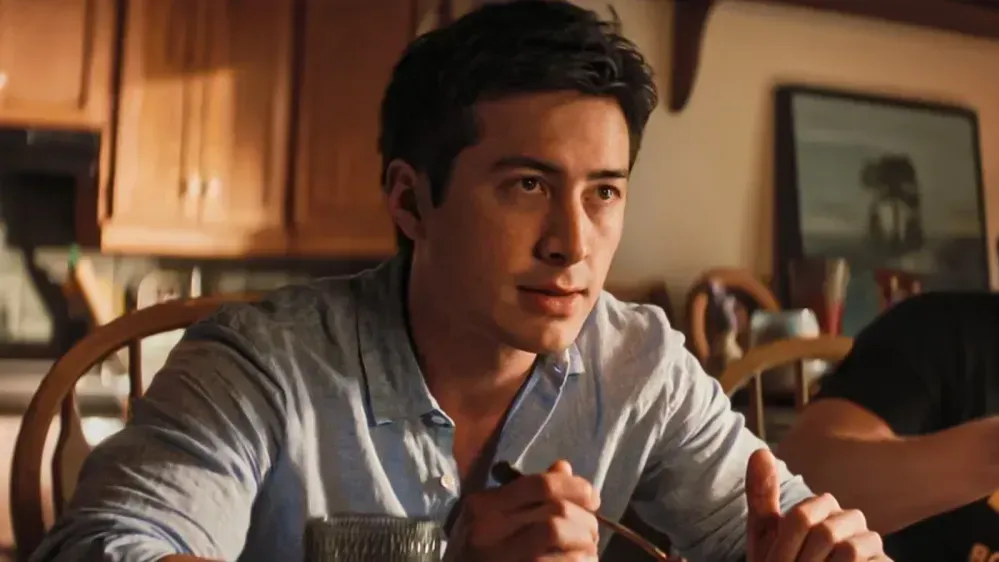
Photo Credit: Paper Tiger / Cannes
by Chris Tremblay May 19
4 MIN READ
Adam Driver has given his first public reaction to claims made about him in Lena Dunham’s memoir Famesick, offering a terse, sardonic one-liner at the Cannes Film Festival rather than a substantive response. Speaking during a press conference for his new film Paper Tiger, Driver was asked directly about Dunham’s descriptions of his alleged aggressive behavior while filming their HBO series Girls.
In response, the 42-year-old actor declined to engage, telling reporters, “I have no comment on any of that. I’m saving it all for my book,” prompting audible laughter from those in attendance. Clips of the exchange have circulated widely on social media and in entertainment media coverage, with several outlets characterizing the remark as a “cheeky” or “cryptic” way of deflecting the question.
Dunham’s memoir Famesick, released in April 2026, revisits her years creating, writing, directing, and starring in Girls, including a complicated working relationship with Driver, who played her character’s on‑off partner over six seasons from 2012 to 2017. In the book, she alleges that Driver was at times “verbally aggressive” and that he once threw a chair at a wall near her during a rehearsal when she forgot her lines, an incident she links to her own dissociation and undiagnosed endometriosis at the time.
Dunham also describes an early sex scene in which she writes that Driver “hurled me this way and that,” clarifying in her account that she did not feel violated but did feel she had lost her sense of directorial authority on set. Additional reporting summarizing the memoir says she portrays Driver as both protective and volatile, describing a dynamic that she frames as intense, professionally charged, and sometimes frightening.
While promoting the book in April, Dunham was asked on NBC’s Today show about her “complicated relationship” with Driver, and she responded by emphasizing that she spent years crafting her account and wanted readers to see the dynamic in the broader context of workplace power and her own growth as a boss. She also noted that there were “a lot of magical moments” among the Girls cast and said the bond among co‑stars remains strong, suggesting a nuanced mix of conflict and connection in those years.
Until the Cannes appearance, Driver had not issued any formal statement responding to Dunham’s allegations, despite several outlets noting that her memoir had sparked weeks of commentary and debate. At Cannes, reporters framed their question as an opportunity for him to address her version of events from Famesick, but he opted for a brief refusal rather than any factual rebuttal or acknowledgement.
Coverage from multiple outlets underscores that the quip landed as both a joke and a boundary, with the laughter in the room signaling that his remark effectively moved the conversation back to his current work while leaving the controversy intact. Commentators describe the response as a “masterclass in deflection” and a way of signaling that if Driver ever chooses to address the allegations in detail, it will likely be on his own terms and timeline.
The actor’s refusal to elaborate also means that, at present, the public record largely consists of Dunham’s written account and secondary reporting, along with a single sentence from Driver declining to confirm, deny, or contextualize her claims. Several outlets note that requests for further comment from either Driver or Dunham’s representatives have gone unanswered, leaving observers without additional on-the-record perspectives from the two principal figures.
Driver’s remark came during press for Paper Tiger, a crime drama directed by James Gray and screening in competition for the Palme d’Or at this year’s Cannes Film Festival. The film’s high‑profile premiere ensured that any comment about Famesick, however brief, would quickly register far beyond the festival press room.
Festival reports indicate that, after Driver’s one‑line answer, the press conference returned to questions about the movie rather than continuing to probe the memoir controversy. Coverage also notes that the exchange nonetheless became one of the most discussed moments of the Paper Tiger press circuit, illustrating how issues of workplace conduct and celebrity memoir revelations can shape the narrative around a film’s rollout.
Cannes itself has long been a site where broader cultural and industry debates intersect with film promotion, and the current conversation around memoir‑driven allegations about on‑set behavior fits into ongoing scrutiny of power dynamics in entertainment workplaces. Although this particular dispute centers on two high‑profile collaborators from a scripted series, it comes in the wake of years of industry discussion about consent, safety, and authority on sets, including for women, LGBTQ+ people, and other workers whose experiences of harm or discomfort may have previously gone unexamined.
For now, there is no indication that Driver is actively preparing a book of his own; outlets treat his “saving it all for my book” line as a joke rather than confirmation of a forthcoming memoir. Commenters nonetheless speculate that if he were ever to publish a memoir, it would provide his own detailed perspective on the Girls years and on Dunham’s characterization of their working relationship.
Dunham, for her part, has stated that she does not plan to offer commentary beyond what she has already written in Famesick, suggesting that any further public development of this story is likely to come from Driver or from additional reporting rather than from new statements by her. With only one side offering detailed public recollections and the other declining to respond, questions about what occurred on the Girls set remain publicly unresolved and continue to be debated in coverage and commentary.
As the promotional cycle for Paper Tiger continues and discussion of Famesick persists, Driver’s Cannes quip now stands as the definitive on‑the‑record response to Dunham’s allegations—one that reveals his unwillingness to publicly litigate the past while leaving space for future, more detailed engagement if he ever chooses to give it.
Allegations in Dunham’s memoir ‘Famesick’
Dunham’s memoir Famesick, released in April 2026, revisits her years creating, writing, directing, and starring in Girls, including a complicated working relationship with Driver, who played her character’s on‑off partner over six seasons from 2012 to 2017. In the book, she alleges that Driver was at times “verbally aggressive” and that he once threw a chair at a wall near her during a rehearsal when she forgot her lines, an incident she links to her own dissociation and undiagnosed endometriosis at the time.
Dunham also describes an early sex scene in which she writes that Driver “hurled me this way and that,” clarifying in her account that she did not feel violated but did feel she had lost her sense of directorial authority on set. Additional reporting summarizing the memoir says she portrays Driver as both protective and volatile, describing a dynamic that she frames as intense, professionally charged, and sometimes frightening.
While promoting the book in April, Dunham was asked on NBC’s Today show about her “complicated relationship” with Driver, and she responded by emphasizing that she spent years crafting her account and wanted readers to see the dynamic in the broader context of workplace power and her own growth as a boss. She also noted that there were “a lot of magical moments” among the Girls cast and said the bond among co‑stars remains strong, suggesting a nuanced mix of conflict and connection in those years.
Driver’s strategy: deflect and refocus
Until the Cannes appearance, Driver had not issued any formal statement responding to Dunham’s allegations, despite several outlets noting that her memoir had sparked weeks of commentary and debate. At Cannes, reporters framed their question as an opportunity for him to address her version of events from Famesick, but he opted for a brief refusal rather than any factual rebuttal or acknowledgement.
Coverage from multiple outlets underscores that the quip landed as both a joke and a boundary, with the laughter in the room signaling that his remark effectively moved the conversation back to his current work while leaving the controversy intact. Commentators describe the response as a “masterclass in deflection” and a way of signaling that if Driver ever chooses to address the allegations in detail, it will likely be on his own terms and timeline.
The actor’s refusal to elaborate also means that, at present, the public record largely consists of Dunham’s written account and secondary reporting, along with a single sentence from Driver declining to confirm, deny, or contextualize her claims. Several outlets note that requests for further comment from either Driver or Dunham’s representatives have gone unanswered, leaving observers without additional on-the-record perspectives from the two principal figures.
The setting: Paper Tiger and the Cannes spotlight
Driver’s remark came during press for Paper Tiger, a crime drama directed by James Gray and screening in competition for the Palme d’Or at this year’s Cannes Film Festival. The film’s high‑profile premiere ensured that any comment about Famesick, however brief, would quickly register far beyond the festival press room.
Festival reports indicate that, after Driver’s one‑line answer, the press conference returned to questions about the movie rather than continuing to probe the memoir controversy. Coverage also notes that the exchange nonetheless became one of the most discussed moments of the Paper Tiger press circuit, illustrating how issues of workplace conduct and celebrity memoir revelations can shape the narrative around a film’s rollout.
Cannes itself has long been a site where broader cultural and industry debates intersect with film promotion, and the current conversation around memoir‑driven allegations about on‑set behavior fits into ongoing scrutiny of power dynamics in entertainment workplaces. Although this particular dispute centers on two high‑profile collaborators from a scripted series, it comes in the wake of years of industry discussion about consent, safety, and authority on sets, including for women, LGBTQ+ people, and other workers whose experiences of harm or discomfort may have previously gone unexamined.
Ongoing questions and unresolved narratives
For now, there is no indication that Driver is actively preparing a book of his own; outlets treat his “saving it all for my book” line as a joke rather than confirmation of a forthcoming memoir. Commenters nonetheless speculate that if he were ever to publish a memoir, it would provide his own detailed perspective on the Girls years and on Dunham’s characterization of their working relationship.
Dunham, for her part, has stated that she does not plan to offer commentary beyond what she has already written in Famesick, suggesting that any further public development of this story is likely to come from Driver or from additional reporting rather than from new statements by her. With only one side offering detailed public recollections and the other declining to respond, questions about what occurred on the Girls set remain publicly unresolved and continue to be debated in coverage and commentary.
As the promotional cycle for Paper Tiger continues and discussion of Famesick persists, Driver’s Cannes quip now stands as the definitive on‑the‑record response to Dunham’s allegations—one that reveals his unwillingness to publicly litigate the past while leaving space for future, more detailed engagement if he ever chooses to give it.
Copyright EDGE Media Network. All rights reserved. This material may not be published, broadcast, rewritten, or redistributed.