Thora Birch Comes Out as Bisexual, Highlighting Power of LGBTQ+ Community and Chosen Family
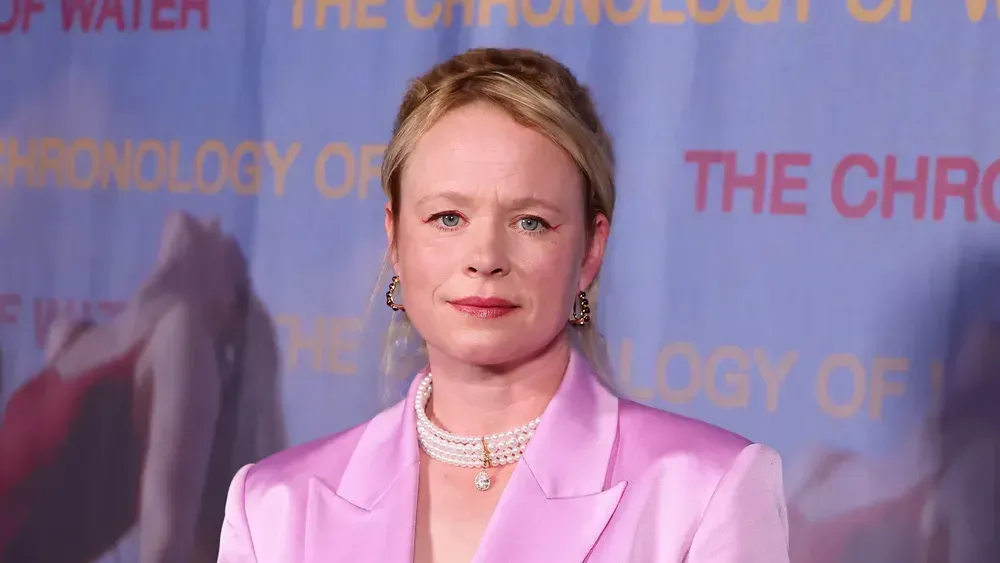
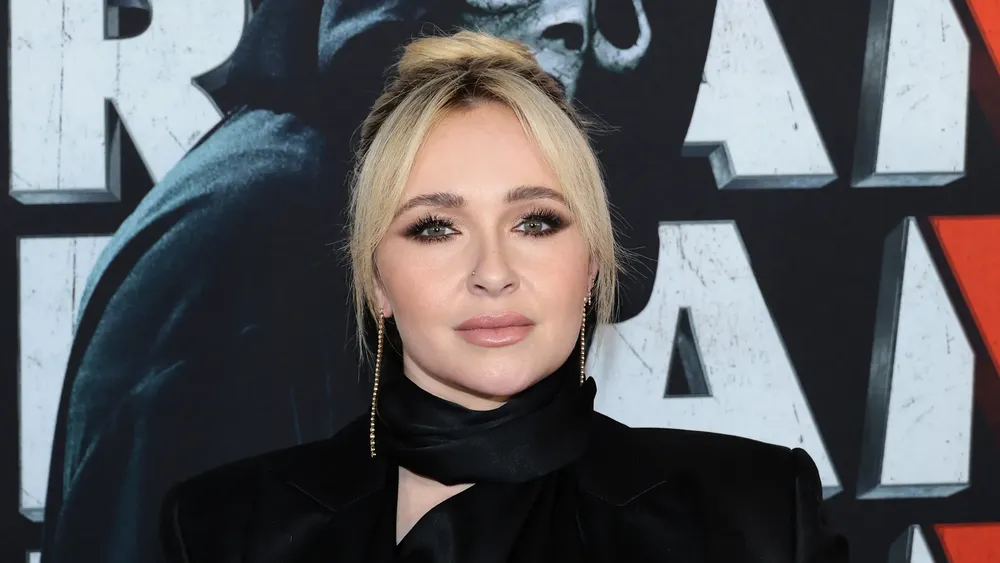
LOS ANGELES, CALIFORNIA - JANUARY 08: Thora Birch attends the Los Angeles Premiere of "The Chronology Of Water" at 2220 Arts + Archive on January 08, 2026 in Los Angeles, California. Photo Credit: Kevin Winter
Thora Birch, known to many for her role as Dani Dennison in the 1993 fantasy-comedy film Hocus Pocus, has publicly come out as bisexual at age 44. During a red-carpet interview at the 35th‑anniversary celebration of The Abbey, a landmark West Hollywood LGBTQ+ bar, Birch described herself as “a bi person” while speaking about her connection to the local queer community.
The Abbey’s significance and a hometown connection
Birch made the comments while attending The Abbey’s 35th‑anniversary celebration, an event honoring one of West Hollywood’s most well-known LGBTQ+ venues. The Abbey, often described as an iconic queer space and gathering spot, has long functioned as a community hub for LGBTQ+ people and allies in Los Angeles.
During her interview, Birch referred to herself as a “hometown girl” and said she is “always here to show my support for the community, which shaped so much of who I am and my identity as well, being a bi person.” Reports note that Birch grew up in the Los Angeles area and has longstanding personal connections to West Hollywood, with a representative quoted as saying The Abbey “always felt like home” to her.
By choosing to talk openly about her identity at a major celebration for a queer venue, Birch underscored the role of LGBTQ+ spaces in providing community, affirmation, and visibility. Her remarks linked her personal story to a broader narrative about chosen family, as she stressed the importance of finding and standing with a supportive community in challenging times.
Public identity after a different‑gender marriage
Coverage of Birch’s announcement has highlighted that she is sharing her bisexual identity publicly several years after marrying producer and talent manager Michael Benton Adler in 2018. Reports describe Adler as a film producer and talent manager, and note that the couple’s marriage predates Birch’s public use of the term “bi person” to describe herself.
Several outlets have characterized her statement as “opening up” about her sexuality or “revealing” that she is bisexual, emphasizing that this is the first time she has spoken about her sexual orientation in this way in a public, on-the-record setting. Articles also note that Birch’s announcement mirrors experiences of many bisexual people in different‑gender relationships whose identities are sometimes presumed or overlooked, highlighting ongoing discussions about bisexual visibility.
Entertainment reporters have also placed the announcement in the context of Birch’s career trajectory, noting that she has maintained a relatively low public profile at times since her breakout performances in the late 1990s and early 2000s. The new coverage frames her comments as both a personal milestone and a moment of representation for bisexual people in Hollywood.
Career legacy and fan reactions
Birch’s announcement has attracted attention in part because of her longstanding place in pop culture, especially for fans of 1990s and early 2000s films. She is widely recognized for roles in projects such as Now and Then , American Beauty , and Ghost World , in addition to her performance as Dani in Hocus Pocus.
In reporting on her Abbey appearance, outlets have noted that Birch spoke briefly about her past characters and expressed curiosity about where some of them might be today, hinting at fan interest in revisiting roles like Enid from Ghost World or Dani from Hocus Pocus. While no specific new projects or sequels have been confirmed in connection with her appearance at The Abbey, coverage suggests that her comments have reignited nostalgia among fans who grew up with her work.
Social media reactions reported by entertainment and LGBTQ+ outlets describe fans expressing support for Birch’s announcement and sharing how her earlier roles resonated with them, especially for those who saw themselves reflected in her characters during adolescence. Some coverage frames her coming out as part of a broader pattern of established actors publicly naming their sexual orientation later in their careers, contributing to representation for bisexual adults who may not have had affirming language or visibility earlier in life.
A message of community in a tense political climate
Birch’s comments at The Abbey included an explicit appeal for unity, with the actor saying she did not want to “get too political” but urging people to “embrace one another” to get through what she described as a period of “madness.” Outlets have interpreted those remarks as a nod to ongoing political and cultural debates affecting LGBTQ+ people in the United States, including legislative and rhetorical battles over LGBTQ+ rights.
Her emphasis on “find your community where you can, and stand with them, and stick with them” foregrounded themes of mutual care and solidarity that are frequently echoed in LGBTQ+ advocacy messaging. In summarizing her remarks, several outlets have noted that Birch framed her bisexual identity not only as a personal truth but as something shaped and supported by the LGBTQ+ community around her.
LGBTQ+ and entertainment publications also point out that Birch’s coming out contributes to ongoing efforts to increase bisexual visibility, particularly for bisexual women who may experience erasure when they are in relationships that others perceive as heterosexual. By speaking directly and matter-of-factly about being “a bi person” at a high-profile queer event, Birch added her voice to a growing number of public figures who are naming their identities in ways that affirm bisexual people and broader LGBTQ+ communities.
Copyright EDGE Media Network. All rights reserved. This material may not be published, broadcast, rewritten, or redistributed.