Olivia Wilde Reflects on Backlash to Harry Styles Romance, Calling Public Fury “F---ing Pissed”
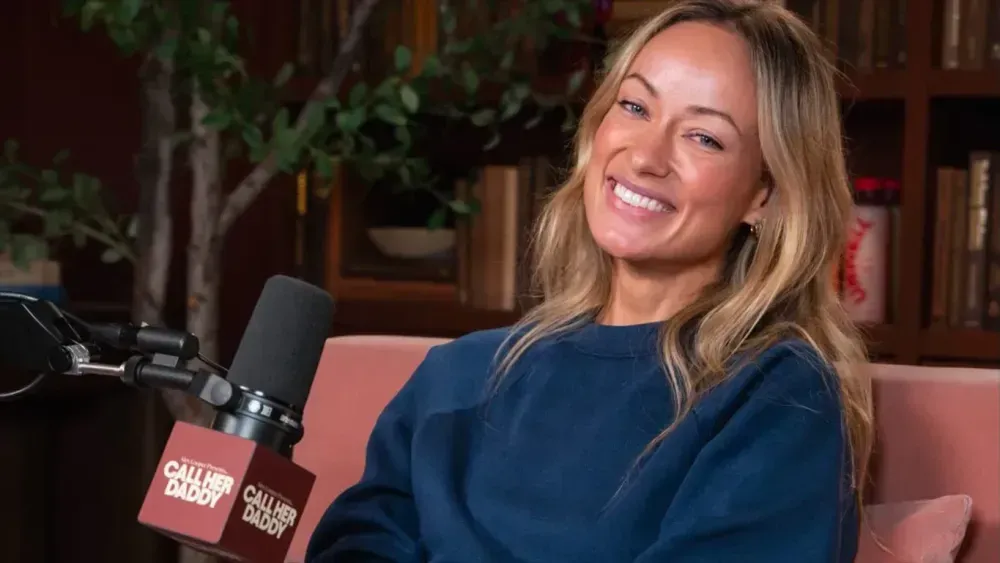
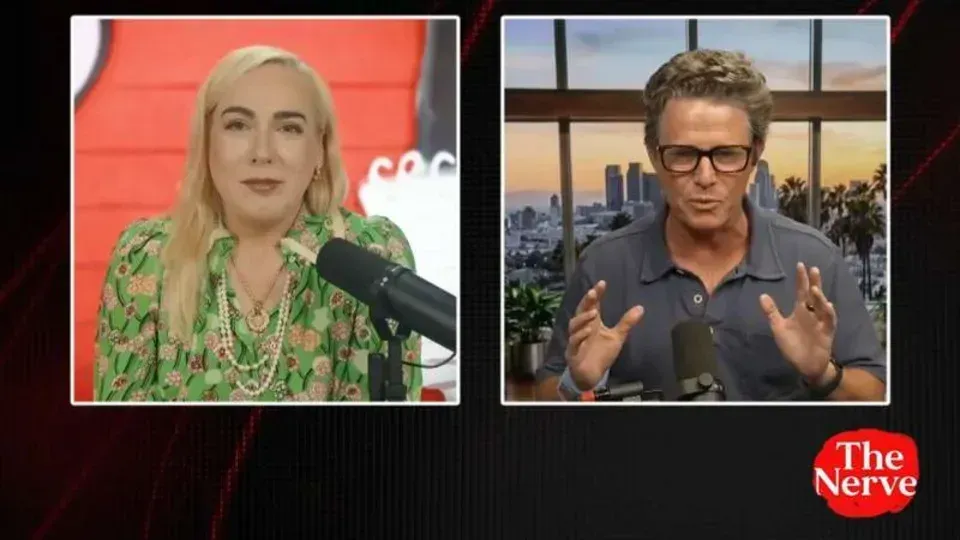
Photo Credit: Call Her Daddy Pod
Olivia Wilde has publicly revisited the intense backlash that surrounded her relationship with musician Harry Styles, saying that “people were f---ing pissed” about their romance and that the anger seemed to target both their age difference and her visible joy. In a wide‑ranging conversation on the June 17 episode of the Call Her Daddy podcast with host Alex Cooper, Wilde described the public “judgment” around the relationship as “crazy” and “f---ing bananas,” while stressing that the scrutiny “had very little to do with me” and more to do with fandom dynamics and broader attitudes toward women.
A relationship described as “sweet” and “domestic”
In the podcast conversation, Wilde rejected tabloid portrayals of the romance as scandal‑ridden, instead characterizing the relationship as “the loveliest,” “so sweet and so beautiful and really, actually domestic and kind and lovely.” She said the pair “existed in this little bubble” in which outside judgment “never got in,” describing that insulation from public vitriol as “a miracle” and “a testament to us making that happen.”
Wilde emphasized that, privately, her life during the height of the media frenzy felt far calmer than the headlines suggested, saying there was “all this public madness” but that her home life remained steady and affectionate. She reiterated that their connection ended in late 2022 but that she now looks back on it with gratitude rather than regret, painting a picture of a relationship that, in her telling, was far more ordinary and nurturing than the surrounding discourse allowed.
Public anger, parasocial fandom and gendered double standards
Wilde repeatedly returned to how bewildering the intensity of public anger felt from the inside, recalling that “it really did upset people” and that “people were f---ing pissed” in ways she still does not fully understand. She suggested that part of the reaction stemmed from the “parasocial relationship” many fans have with Styles, describing this as a “very weighty” burden that he carries “with grace” and calling such responsibility for global stars “f---ing impossible.”
The actor and director framed the discourse as part of a longer pattern in which women, including women who date younger men, are subjected to disproportionate scrutiny, saying the backlash was “something that we’ve done to women for a long time.” She noted what she sees as a double standard when comparing her relationship with Styles, who is 10 years her junior, to her ex‑partner Jason Sudeikis’ ability to date a younger person without attracting the same intensity of criticism, calling that contrast an example of broader societal expectations placed on women’s relationships and aging.
Online vitriol and echoes of earlier criticism
Wilde’s new comments build on earlier public reflections about the vitriol directed at her online once the relationship became public in early 2021, including targeted harassment from a subset of Styles’ fans who criticized her age, appearance and personal history. In 2022, both Wilde and Styles spoke in a Rolling Stone profile about the “toxic negativity” surrounding their relationship, with Wilde describing most of his fans as “deeply loving people” while condemning the cruelty of a small minority whose behavior she said ran counter to Styles’ public ethos.
At the time, Wilde questioned how fans who champion inclusivity, including many LGBTQ+ fans who have embraced Styles’ gender‑fluid fashion and queer‑friendly artistry, could reconcile that with cruel online campaigns aimed at a real person in his life, calling such negativity “the antithesis of Harry, and everything he puts out there.” While she had largely avoided direct commentary on specific rumors, Wilde has for years linked the discourse around her dating life to what she has called a misogynistic tenor in celebrity gossip, describing women’s choices about relationships, family and work as frequent targets for moral judgment.
“The happiness made them mad”: visibility, fandom and queer‑adjacent culture
Reflecting on the reaction to her presence at Styles’ concerts, Wilde recalled attending shows and dancing, only to be met with slurs and insults online, summing up the pattern by saying, “I think that people were mad. It’s almost like the happiness made them mad.” She described feeling as though “no matter what” she did at the time, public observers would interpret her actions negatively, underscoring how celebrity partners can become lightning rods for fan frustration and projection.
Styles’ artistry has been widely embraced within LGBTQ+ communities for his gender‑nonconforming fashion, on‑stage Pride flags and statements in support of queer fans, which has helped cultivate a fandom that often frames itself as inclusive and celebratory. Within that context, Wilde’s description of a small but vocal group directing misogynistic abuse at her spotlights tensions in fan cultures where ideals of inclusion sometimes collide with possessiveness over queer‑coded or queer‑aligned stars and their partners.
Choosing silence, then reflection
Wilde noted in the podcast that part of what made the backlash feel “disproportionate” was her inability—and unwillingness—to address every rumor or accusation that circulated, saying she recognized that trying to correct each falsehood would not be productive. That restraint echoes her earlier comments to outlets like *Variety* and *Vogue*, where she argued that when a person is genuinely happy in a relationship, the opinions of strangers matter less than the reality shared with loved ones, and that feeding gossip cycles rarely benefits anyone involved.
In her latest remarks, Wilde positions her story as one example of how public women—whether straight, queer or perceived through queer‑adjacent lenses because of the partners and communities around them—can become focal points for debates about age, gender roles and celebrity worship. By framing the uproar as having “very little to do with me” and more to do with how culture relates to women and to famous men, she invites a broader look at how fandoms—including those that pride themselves on allyship with LGBTQ+ communities—navigate boundaries, empathy and the real people orbiting their favorite stars.
Copyright EDGE Media Network. All rights reserved. This material may not be published, broadcast, rewritten, or redistributed.