Colton Underwood Says He ‘Only Hooked Up With Married Men’ Before Coming Out, Reflects on ‘Virgin Bachelor’ Image
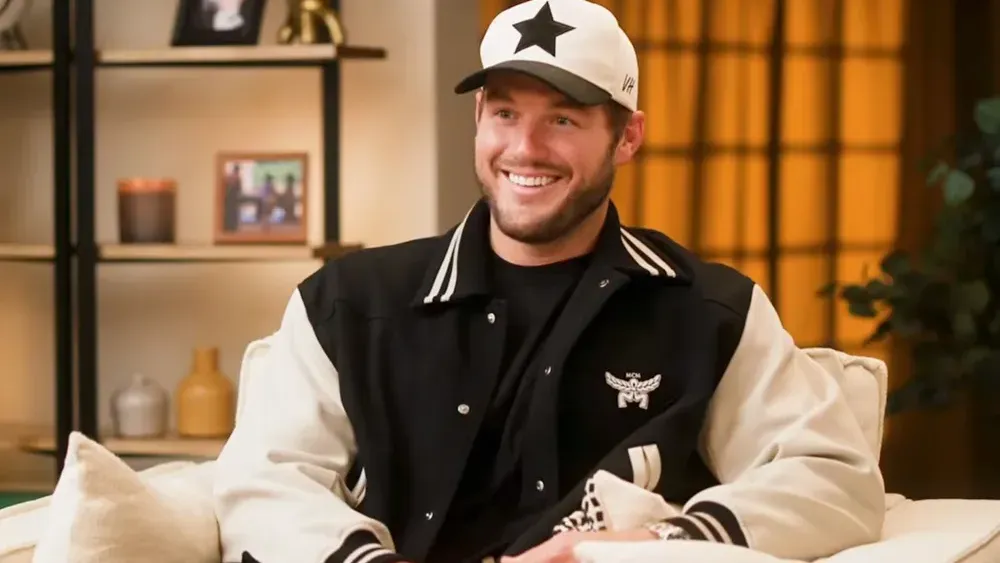
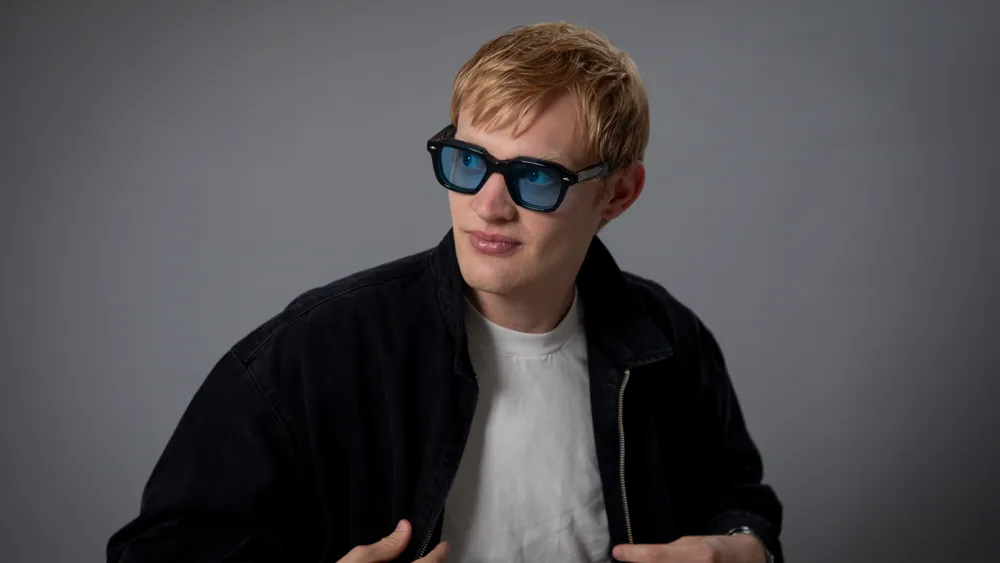
Photo Credit: We Need To Talk Pod
by Chris Tremblay Jun 17
4 MIN READ
Colton Underwood, the former NFL player and star of The Bachelor, has detailed how he “only hooked up with married ‘straight’ men” while hiding his sexual orientation prior to publicly coming out as gay. In new remarks connected to an appearance on the We Need to Talk podcast, he framed this pattern as a self-protective strategy during years when he feared being outed and losing his career.
Background and Context
Underwood rose to mainstream prominence through ABC’s Bachelor franchise, first appearing on The Bachelorette and Bachelor in Paradise before being cast as the 23rd Bachelor and heavily marketed as an “adult virgin” looking for his future wife. Coverage at the time emphasized his evangelical faith, desire for marriage and fatherhood, and his status as a never‑before‑married, sexually inexperienced lead, a narrative that quickly became central to his public identity.
In the years after his Bachelor season, Underwood later came out as gay in a 2021 interview with Good Morning America, saying he had “ran from myself for a long time,” had “hated” himself, and had only recently come to terms with his sexuality. He has since discussed the mental health toll of living in the closet and the intense scrutiny that followed his time as a high‑profile reality TV lead.
‘Only Hooked Up With Married Men’
In his recent comments, Underwood said that during the years before he came out, he developed an internal “rule” that he would only be intimate with men who were married and presenting as “straight.” He explained that, in his view at the time, these men had “more to lose” if their encounters were exposed, which he believed gave him some measure of protection against being outed.
“To protect myself, I would only hook up with married men,” Underwood said, adding that these were married “straight” men whose family lives and public images would be jeopardized by disclosure of same‑sex encounters. He described this approach as “messed‑up” in hindsight but said it reflected the depth of his fear about potential blackmail or outing during his early football career and subsequent reality TV fame.
Underwood’s description of those encounters aligns with earlier interviews in which he distinguished between what he called “hookups” and intercourse, saying in 2021 that he had “experiment with men” before joining the franchise but had not had sex with a man at that time. In that earlier Variety‑linked discussion, he reiterated that he maintained his virginity label in the narrow sense of not having had penetrative sex, despite having engaged in other physical experiences with men.
Fear, Secrecy and the ‘Virgin Bachelor’ Label
Underwood said his fear that closeted experiences would surface intensified after he was cast in The Bachelor franchise, particularly once his virginity became a defining storyline that producers foregrounded in promotions and episodes. He recalled being repeatedly asked by media and within the show itself why he was a virgin, worrying that any deeper probing into his past would expose his history of same‑sex hookups.
According to the new interview, Underwood said he “hated” being framed as the “Virgin Bachelor” because the narrative felt both reductive and risky, given that it encouraged curiosity about his sexual history at a time when he was still closeted. He suggested that producers’ focus on his virginity overshadowed the internal conflict he was experiencing regarding his faith, his identity as a gay man, and his fear that former partners could come forward.
On the We Need to Talk podcast, Underwood said he now wishes he had been allowed, or felt safe enough, to share a more vulnerable account of his struggle with sexuality rather than leaning into the simplified virgin trope. He reflected that a more honest conversation during his Bachelor tenure might have offered viewers a clearer window into the complexities faced by closeted LGBTQ+ people in highly public, heteronormative environments.
Coming Out and Life After Reality TV
Underwood publicly came out as gay in April 2021 in a Good Morning America segment, saying he had arrived at a place where he needed to stop “running” from himself and share his truth with the public. In that interview, he described years of shame and internalized homophobia, followed by a period of processing his identity before deciding to come out, which he called “the next step in all of this” for his own well‑being and for the people in his life.
Since then, Underwood has built a public life as an out gay man, including co‑hosting the Hulu dating series Are You My First?, which focuses on singles who have not had sex and explores varied experiences of virginity and intimacy. He married political strategist Jordan C. Brown in May 2023 after the couple’s engagement in early 2022, and the two have spoken publicly about their plans for family life and their journey as a same‑sex couple.
In a separate interview about his past, Underwood has described earlier “homoerotic” experiences in sports locker rooms and has said he first hooked up with another man on his 21st birthday, emphasizing that these encounters happened only when he was single and not in committed relationships. He also said that many of the men he was involved with identified as “straight” in their day‑to‑day lives, a pattern he now links to broader pressures around masculinity and sexuality in sport and reality television.
Reactions and Ongoing Conversations
Underwood’s latest remarks about exclusively hooking up with married men have prompted renewed discussion online about the ethics and risks of closeted relationships, including for spouses and families who may be unaware of their partners’ same‑sex behavior. Commentators and fans of the Bachelor franchise have also revisited how reality TV formats can constrain or erase the experiences of LGBTQ+ people, even as those individuals are positioned as romantic leads within rigidly heterosexual narratives.
In these new interviews, Underwood has framed his past choices as rooted in fear rather than malice, underscoring the impact of stigma on closeted gay and bisexual people who feel compelled to protect themselves through secrecy. He has at the same time acknowledged that the strategies he used, including limiting his intimacy to married men, were “messed‑up” and has expressed a wish that he could have been more open and vulnerable during his time as the “Virgin Bachelor.”
Copyright EDGE Media Network. All rights reserved. This material may not be published, broadcast, rewritten, or redistributed.