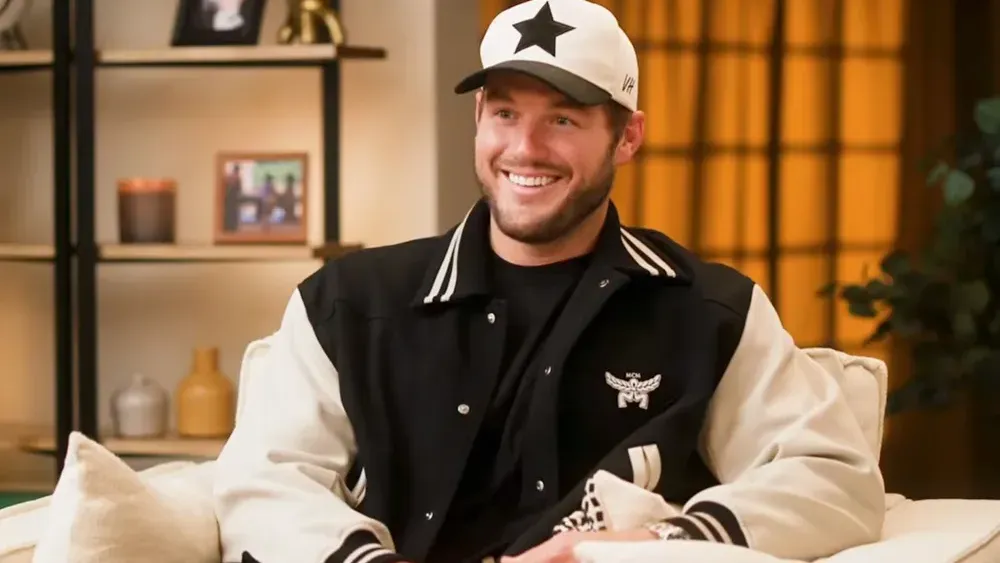
Holly Madison Details 14-Year Estrangement From Girls Next Door Costar Kendra Wilkinson
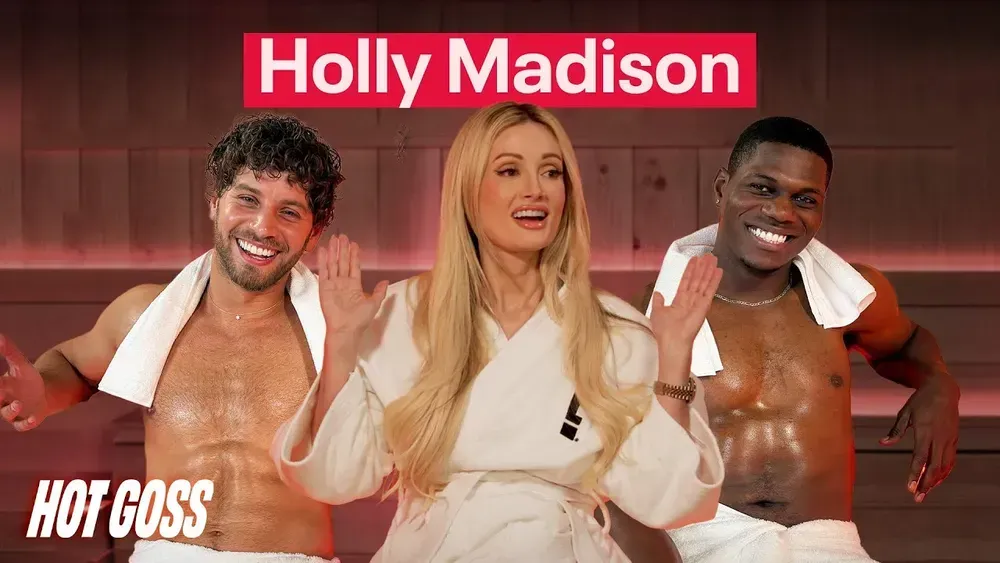
Photo Credit: Hot Goss Podcast
by Chris Tremblay Jun 22
5 MIN READ
Holly Madison has publicly revisited her long-running estrangement from former The Girls Next Door costar Kendra Wilkinson, explaining that the pair have not spoken since a 2012 fallout tied to their competing reality spinoffs. Madison, who is now 46, discussed the situation in a new appearance on E!’s Hot Goss digital series, saying that while she and Wilkinson remain out of contact, she would be open to reconnecting under the right circumstances.
The renewed attention on their fractured relationship arrives nearly two decades after The Girls Next Door premiered on E! in 2005, following Madison, Wilkinson and Bridget Marquardt as they lived at the Playboy Mansion with publisher Hugh Hefner. While neither Madison nor Wilkinson has framed their rift around LGBTQ+ issues, their story continues to resonate within broader conversations about reality TV, power, and how women and other marginalized people in entertainment navigate image, autonomy, and public narrative.
In her recent Hot Goss interview, Madison said that she and Wilkinson “don’t speak,” before emphasizing that she is “not opposed to speaking” if an opportunity to talk presented itself. According to Madison, the rupture between the two former costars did not happen during the original run of The Girls Next Door but emerged later as they worked on separate spinoff series.
Madison explained that both her own show, Holly’s World, and Wilkinson’s show, Kendra, were produced by the same executive producer, whom she believes “tried to pit us against each other and got in our heads,” a dynamic she now calls “a shame.” She said the fallout unfolded around 2012 and linked it to a broader cycle of tabloid coverage and reality TV drama that amplified tension between them.
Madison also described Wilkinson as having been “caught up in the tabloid cycle” at the time, suggesting that external pressures and media narratives around their lives intensified disagreements that might otherwise have remained private. She contrasted that with her own current stance, saying that more than a decade later she no longer wants to carry resentment and would not “continue to hold a grudge” against her former costar.
Although The Girls Next Door portrayed Madison, Wilkinson, and Marquardt as a tight-knit group, the women have given different accounts of how close they really were. In her Hot Goss remarks, Madison said she and Wilkinson were never as close as she and Marquardt, but she still saw Wilkinson as a friend because of their many shared experiences during their years in the Playboy Mansion.
Madison emphasized that she and Marquardt remain “super close,” noting that they co-host a Girls Next Door rewatch podcast together and that they have never had a serious fight in 25 years of friendship. By contrast, Wilkinson has repeatedly said in earlier interviews that she does not consider Madison a friend and has minimized their bond as primarily rooted in the fact that they were involved with the same man.
On her 2015 reality series Kendra on Top, Wilkinson commented that “we were never friends,” adding that “at the end of the day, what we did was we just the same man,” a line that has since been widely quoted in coverage of their estrangement. Years later, in a 2023 interview, Wilkinson said she had already “done the healing” from her Girls Next Door era and did not want to revisit it on Madison and Marquardt’s podcast Girls Next Level, effectively ruling out a reunion.
Madison’s evolving public perspective on her time at the Playboy Mansion has also shaped coverage of her relationship with Wilkinson. In 2015 she published the memoir Down the Rabbit Hole: Curious Adventures and Cautionary Tales of a Former Playboy Bunny, which described alleged controlling aspects of life with Hefner and criticized the culture around the mansion, later sparking backlash from Wilkinson on social media.
In earlier interviews, Madison said she chose not to respond directly to Wilkinson’s public comments, which at one point included calling Madison Hefner’s “clean-up girl” in a series of tweets, because she did not want to fuel what she described as a “never-ending feud” meant to keep them in gossip headlines. In a 2016 sit‑down, she said she saw no reason to engage further and stressed that reflecting on one’s past in a book is the opposite of being ashamed of it.
More recently, Madison has expanded on her Playboy experience in venues such as the podcast Let’s Be Honest with Kristin Cavallari and her own Girls Next Level show with Marquardt, where she has described pressures to perform a particular narrative on reality TV and in the mansion. In one Dear Media write‑up of her Let’s Be Honest interview, Madison said the executive producer who worked on both The Girls Next Door and the spinoffs increasingly tried to “motivate us by making us jealous of each other,” reinforcing her current view that production choices magnified conflict among the women.
These narratives intersect with larger cultural reassessments of Playboy, reality television, and how women’s consent, boundaries, and public images are constructed and contested in media. For LGBTQ+ audiences and others who have long questioned traditional gender and sexual power structures, the way former reality stars now characterize their treatment can echo ongoing critiques of how bodies, identities, and relationships are commodified on screen.
Madison’s latest comments underline that she sees the core of the rift with Wilkinson as structural rather than purely personal, pointing to producers and the tabloid ecosystem as key forces that set them up as rivals. She told Hot Goss that she believes the unnamed producer “tried to pit us against each other and got in our heads,” suggesting that years of orchestrated drama blurred the line between on‑camera storylines and off‑camera relationships.
Several outlets have framed the estrangement as a 14‑year feud, counting back to the 2012 dispute and highlighting that there has been no substantive communication between the two since then. Madison has clarified that, in her view, the feud is not something she actively maintains and that she does not wake up thinking about reconciling, but she also does not want to remain locked in old animosities.
Wilkinson, who has two children and has devoted recent years to parenting and a career in real estate, has indicated through multiple interviews that she prefers to keep the Playboy chapter firmly in the past and does not feel a need to publicly re‑engage with Madison or Marquardt. That position leaves little practical path toward the kind of reunion or candid joint conversation that some fans of The Girls Next Door and its spinoffs have hoped to see.
For now, Madison’s willingness to acknowledge lingering hurt while declining to assign all blame to her former costar adds nuance to a story that has often been reduced to headlines about “catfights” and feuds between women. In reframing their estrangement around the influence of producers and media cycles, her comments invite a broader look at how reality TV formats can shape, and sometimes fracture, relationships long after the cameras stop rolling.
Madison’s account of the 2012 fallout
In her recent Hot Goss interview, Madison said that she and Wilkinson “don’t speak,” before emphasizing that she is “not opposed to speaking” if an opportunity to talk presented itself. According to Madison, the rupture between the two former costars did not happen during the original run of The Girls Next Door but emerged later as they worked on separate spinoff series.
Madison explained that both her own show, Holly’s World, and Wilkinson’s show, Kendra, were produced by the same executive producer, whom she believes “tried to pit us against each other and got in our heads,” a dynamic she now calls “a shame.” She said the fallout unfolded around 2012 and linked it to a broader cycle of tabloid coverage and reality TV drama that amplified tension between them.
Madison also described Wilkinson as having been “caught up in the tabloid cycle” at the time, suggesting that external pressures and media narratives around their lives intensified disagreements that might otherwise have remained private. She contrasted that with her own current stance, saying that more than a decade later she no longer wants to carry resentment and would not “continue to hold a grudge” against her former costar.
How Madison and Wilkinson describe their past friendship
Although The Girls Next Door portrayed Madison, Wilkinson, and Marquardt as a tight-knit group, the women have given different accounts of how close they really were. In her Hot Goss remarks, Madison said she and Wilkinson were never as close as she and Marquardt, but she still saw Wilkinson as a friend because of their many shared experiences during their years in the Playboy Mansion.
Madison emphasized that she and Marquardt remain “super close,” noting that they co-host a Girls Next Door rewatch podcast together and that they have never had a serious fight in 25 years of friendship. By contrast, Wilkinson has repeatedly said in earlier interviews that she does not consider Madison a friend and has minimized their bond as primarily rooted in the fact that they were involved with the same man.
On her 2015 reality series Kendra on Top, Wilkinson commented that “we were never friends,” adding that “at the end of the day, what we did was we just the same man,” a line that has since been widely quoted in coverage of their estrangement. Years later, in a 2023 interview, Wilkinson said she had already “done the healing” from her Girls Next Door era and did not want to revisit it on Madison and Marquardt’s podcast Girls Next Level, effectively ruling out a reunion.
Memoirs, podcasts and shifting perspectives on Playboy
Madison’s evolving public perspective on her time at the Playboy Mansion has also shaped coverage of her relationship with Wilkinson. In 2015 she published the memoir Down the Rabbit Hole: Curious Adventures and Cautionary Tales of a Former Playboy Bunny, which described alleged controlling aspects of life with Hefner and criticized the culture around the mansion, later sparking backlash from Wilkinson on social media.
In earlier interviews, Madison said she chose not to respond directly to Wilkinson’s public comments, which at one point included calling Madison Hefner’s “clean-up girl” in a series of tweets, because she did not want to fuel what she described as a “never-ending feud” meant to keep them in gossip headlines. In a 2016 sit‑down, she said she saw no reason to engage further and stressed that reflecting on one’s past in a book is the opposite of being ashamed of it.
More recently, Madison has expanded on her Playboy experience in venues such as the podcast Let’s Be Honest with Kristin Cavallari and her own Girls Next Level show with Marquardt, where she has described pressures to perform a particular narrative on reality TV and in the mansion. In one Dear Media write‑up of her Let’s Be Honest interview, Madison said the executive producer who worked on both The Girls Next Door and the spinoffs increasingly tried to “motivate us by making us jealous of each other,” reinforcing her current view that production choices magnified conflict among the women.
These narratives intersect with larger cultural reassessments of Playboy, reality television, and how women’s consent, boundaries, and public images are constructed and contested in media. For LGBTQ+ audiences and others who have long questioned traditional gender and sexual power structures, the way former reality stars now characterize their treatment can echo ongoing critiques of how bodies, identities, and relationships are commodified on screen.
A feud rooted in production and publicity, not identity
Madison’s latest comments underline that she sees the core of the rift with Wilkinson as structural rather than purely personal, pointing to producers and the tabloid ecosystem as key forces that set them up as rivals. She told Hot Goss that she believes the unnamed producer “tried to pit us against each other and got in our heads,” suggesting that years of orchestrated drama blurred the line between on‑camera storylines and off‑camera relationships.
Several outlets have framed the estrangement as a 14‑year feud, counting back to the 2012 dispute and highlighting that there has been no substantive communication between the two since then. Madison has clarified that, in her view, the feud is not something she actively maintains and that she does not wake up thinking about reconciling, but she also does not want to remain locked in old animosities.
Wilkinson, who has two children and has devoted recent years to parenting and a career in real estate, has indicated through multiple interviews that she prefers to keep the Playboy chapter firmly in the past and does not feel a need to publicly re‑engage with Madison or Marquardt. That position leaves little practical path toward the kind of reunion or candid joint conversation that some fans of The Girls Next Door and its spinoffs have hoped to see.
For now, Madison’s willingness to acknowledge lingering hurt while declining to assign all blame to her former costar adds nuance to a story that has often been reduced to headlines about “catfights” and feuds between women. In reframing their estrangement around the influence of producers and media cycles, her comments invite a broader look at how reality TV formats can shape, and sometimes fracture, relationships long after the cameras stop rolling.
Copyright EDGE Media Network. All rights reserved. This material may not be published, broadcast, rewritten, or redistributed.