From Closet to Couture: Evan Hirsch and the Rise of Queer "Glamcycling" in High Fashion
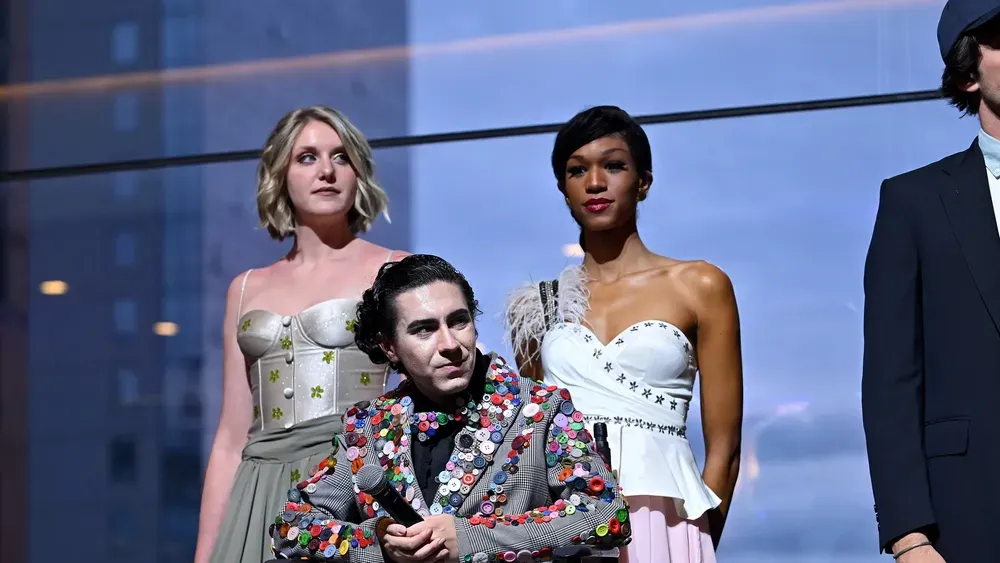
NEW YORK, NEW YORK - MAY 14: (L-R) Hayley Shannon, Evan Hirsch, Seoul Adams and Victor Netland onstage during the 2026 Goodwill Gala at Tapestry on May 14, 2026 in New York City. Photo Credit: Roy Rochlin
The landscape of modern fashion is undergoing a radical shift, driven by a new generation of queer creators who view sustainability not just as a corporate responsibility, but as an avenue for personal and communal expression. At the forefront of this movement is Evan Hirsch, a 28-year-old New York-based designer who has spent the last two years transitioning from a viral social media sensation to a fixture on the official New York Fashion Week calendar. In June 2026, Hirsch solidified his position as a leader in the sustainable fashion space through a series of high-profile milestones that highlight the intersection of queer identity and the circular economy.
The Architecture of Glamcycling
Hirsch’s meteoric rise is rooted in a concept he calls "glamcycling"—the process of taking overlooked, damaged, or discarded garments and reimagining them as one-of-a-kind couture pieces. Unlike traditional upcycling, which often emphasizes a rugged or patchwork aesthetic, Hirsch’s work focuses on high-glamour transformations that utilize historical dressmaking techniques, intricate beadwork, and silhouette-shifting engineering . His signature "transforming dresses," which change shape or color through hidden mechanisms, have earned him over 65 million views and a following of nearly half a million on TikTok .
This design ethos was on full display during his debut on the official Council of Fashion Designers of America calendar, which began with his 29-look "Found Opulence" runway show in September 2025. He followed this success during the Winter 2026 New York Fashion Week in February, hosting a presentation at Friedrichs Pontone in TriBeCa. The event featured a highly focused, five-look capsule collection sourced entirely from secondhand items provided by ShopGoodwill.com, inspired by trending digital bidding categories. By showcasing these pieces on a platform traditionally reserved for luxury ready-to-wear, Hirsch challenged the fashion industry's reliance on "newness" and demonstrated that high-fidelity design can be achieved without contributing to textile waste.
Identity as a Superpower
For Hirsch, the success of his brand is inextricably linked to his journey as a gay man. In an interview published on June 11, 2026, Hirsch reflected on the significance of Pride Month 2026, which coincides with the tenth anniversary of his high school graduation . He noted that while he was closeted during his youth, his identity has since become his "superpower" in the professional world . Today, he incorporates queer themes into his collections, viewing each garment as a tribute to his younger self and a way to provide visibility for the LGBTQ+ community .
His work often mirrors the themes of transformation and "becoming" that are central to many queer experiences. Hirsch’s "glamcycled" pieces act as a metaphor for the queer ability to take what has been discarded by society and imbue it with new value and beauty. "I run a series where I rescue the most damaged items and give them a couture makeover to prevent them from ending up in a landfill," Hirsch stated, emphasizing that this practice is both an environmental mission and an act of community care . This commitment to the community was further evidenced on June 12, 2026, when Hirsch's work was highlighted alongside other prominent queer creators, such as Bex McCharen of Chromat, during the American Museum of Natural History’s Pride night .
Bridging Digital Fame and Industry Respect
The transition from "content creator" to "CFDA designer" is a path few have successfully navigated, but Hirsch has managed to maintain the loyalty of his digital audience while gaining the respect of fashion critics. His recent projects include creating custom gowns for major red carpets and a high-profile "cerulean monologue" jacket for a premiere, which required over 100 hours of hand-beading . Despite this growing celebrity attention—with figures like Kim Petras and Qveen Herby wearing his designs—Hirsch remains committed to accessibility .
In April 2024, he launched a viral series that would become his signature: purchasing a $6 dress from a thrift store, transforming it into a couture gown, and then returning it to the store's racks at the original price to allow someone who might not afford custom fashion to experience a designer piece. This practice of "returning" the work to the community has become a cornerstone of his brand identity, aligning with the ethos of many LGBTQ+ grassroots organizations that prioritize mutual aid and the democratization of resources.
A New Chapter for Sustainable Luxury
As the fashion industry faces increasing pressure to address its environmental impact, Hirsch’s model offers a potential blueprint for the future. His partnership with ShopGoodwill.com is not merely a marketing exercise; it is a structural integration of resale into the luxury market . By providing educational content and upcycling guides, Hirsch is empowering a new generation of queer youth to see the potential in secondhand fashion, encouraging them to create their own styles without the financial or environmental cost of fast fashion.
The buzz surrounding Hirsch in mid-2026 is a testament to the power of authentic storytelling in design. By refusing to separate his identity as a gay man from his work as a sustainable designer, he has created a brand that resonates with a consumer base that values both ethics and inclusivity. As he continues his residency with ShopGoodwill.com and prepares for future runway seasons, Hirsch stands as a reminder that the most revolutionary fashion often begins with the things we already have, waiting to be reimagined.
Copyright EDGE Media Network. All rights reserved. This material may not be published, broadcast, rewritten, or redistributed.