Katy Perry Condemns White House Over "Weaponized" Use of ‘Firework’ in Iran Strike Footage
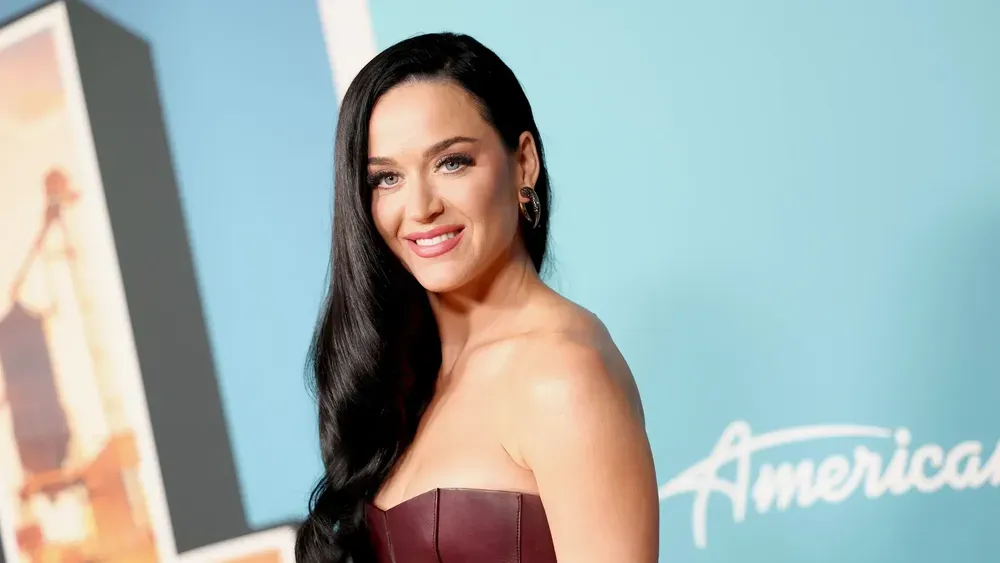
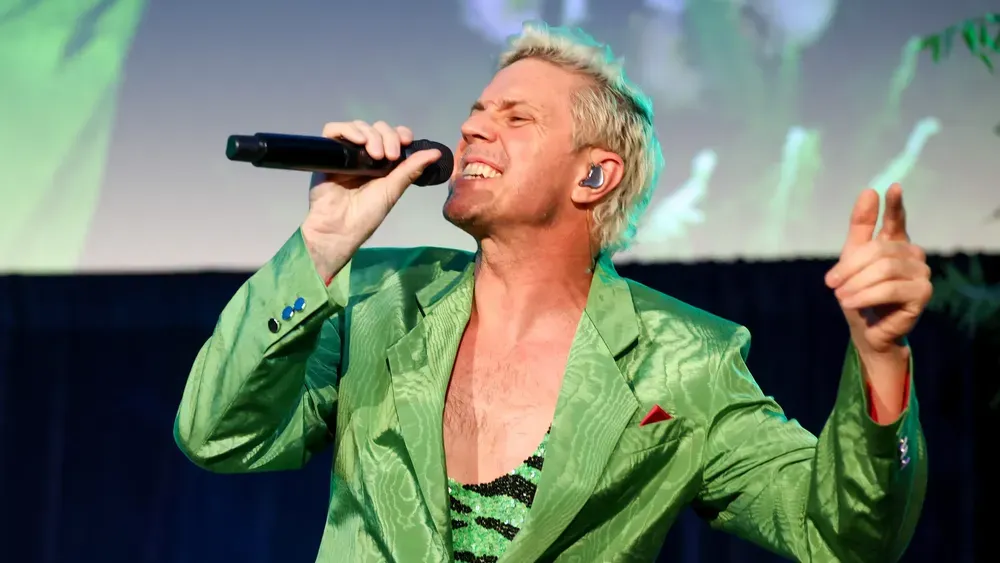
LOS ANGELES, CALIFORNIA - APRIL 22: Katy Perry attends the "American Idol" Season 22 Top 10 Event at The Aster on April 22, 2024 in Los Angeles, California. Photo Credit: Monica Schipper
The intersection of celebrity culture and high-stakes geopolitics reached a boiling point this weekend as pop icon Katy Perry publicly rebuked the Trump administration for its use of her music in a military propaganda video . The controversy began on Thursday, July 23, 2026, when the official White House TikTok account posted a high-energy montage featuring declassified footage of U.S. military strikes against targets in Iran . The video, which carried the caption "Iran has been warned," was precisely edited to synchronize Perry’s 2010 chart-topping single "Firework" with scenes of aerial bombardment . In one particularly contentious sequence, the song’s recognizable "boom, boom, boom" lyrics played directly over black-and-white cockpit footage of explosions at Iranian military installations .
The Meaning of ‘Firework’ and LGBTQ+ Advocacy
Since its release as part of the 2010 Teenage Dream album, "Firework" has evolved beyond a standard pop hit into a cultural touchstone for marginalized communities. For over a decade, the track has been frequently cited as a source of inspiration for LGBTQ+ people, particularly transgender people and queer youth who face systemic barriers to self-acceptance. Perry, a recipient of the GLAAD Vanguard Award for her advocacy, has historically spiked the song's role in affirming the inherent value of every individual regardless of their background.
In her Saturday statement, Perry reiterated that her music is intended to "bring people together," a sentiment that stands in stark contrast to the adversarial nature of the White House’s TikTok campaign . Critics and fans alike have noted the irony of using an anthem commonly played at Pride parades and inclusive community events to score a display of lethal military force . The backlash highlights a growing tension between artists who utilize their platforms for social progress and a political administration that often employs pop culture aesthetics to bolster nationalist narratives .
Geopolitical Context: The July 2026 Iran Crisis
The controversial TikTok video was released against the backdrop of a significant and rapidly escalating military conflict between the United States and Iran . Throughout July 2026, the Trump administration has conducted a series of sustained airstrikes aimed at degrading Iranian military capabilities following a string of attacks on commercial shipping vessels in the Strait of Hormuz .
On the night of July 23, 2026—the same day the "Firework" video was published—U.S. Central Command announced the completion of its 13th consecutive night of strikes . The operations have targeted air defense systems, drone storage facilities, and coastal surveillance sites, primarily in the Hormozgan province . According to Iranian Health Ministry reports, the conflict has resulted in dozens of casualties, including 14 fatalities in early July alone . U.S. forces have also suffered losses, with at least 17 service members killed in the theater of operations since the escalation began on July 7 .
President Trump has maintained a hardline stance, declaring an earlier interim ceasefire "over" and reimposing a maritime blockade on Iranian ports . The decision to use Perry’s music in an official capacity to market these lethal operations has been viewed by many as an attempt to sanitize and glamorize the reality of the war for a younger social media audience .
A Pattern of Unauthorized Use
Katy Perry is not the first artist to find her creative work entangled in the political messaging of the current administration . Throughout the 2026 campaign season and the subsequent military escalations, numerous high-profile musicians have filed complaints or issued cease-and-desist orders regarding the use of their intellectual property . Artists such as Ariana Grande, Sabrina Carpenter, Olivia Rodrigo, and Celine Dion have all publicly distanced themselves from the administration after their music was played at rallies or featured in official government social media posts .
Legal experts note that the use of music in official government social media videos occupies a complex legal gray area compared to political campaign rallies, where performance rights licenses often cover the venue . However, artists argue that the moral right to prevent their work from being associated with specific policies—particularly those involving violence—should supersede general licensing agreements .
White House Reaction and Broader Implications
While the White House has not issued a formal press release addressing Perry’s criticism, the administration’s response has manifested through informal social media channels. Kaelan Dorr, the White House Deputy Communications Director, countered Perry’s post by sharing a clip from her 2012 music video for "Part of Me." The 2012 video famously depicted Perry undergoing rigorous military training and serving in the U.S. Marine Corps, a choice the administration used to suggest hypocrisy in her current stance against the use of "Firework" in a military context.
Despite the administration's pushback, Perry’s fans and humanitarian organizations have rallied behind her, emphasizing that an artist’s past creative themes do not grant a government the right to repurpose their art for contemporary warfare propaganda without consent. Perry herself concluded her statement by emphasizing that she remains committed to the song’s original spirit. As the conflict in the Strait of Hormuz continues, the debate over the ethical use of popular culture in state communications remains a central fixture of the 2026 American discourse.
For many in the LGBTQ+ community, Perry’s refusal to allow her "anthem of hope" to be associated with international conflict serves as a reminder of the power of art to remain a sanctuary for the marginalized, even when placed under political pressure. As the singer continues her "Lifetimes" tour, her public stand reinforces the boundary between commercial success and personal conviction in the age of viral political messaging.
Copyright EDGE Media Network. All rights reserved. This material may not be published, broadcast, rewritten, or redistributed.