EDGE Interview: Trailblazers, Storytellers, and Community Builders: The Indigo Girls on Music, Activism, and 40 Years of Queer Visibility
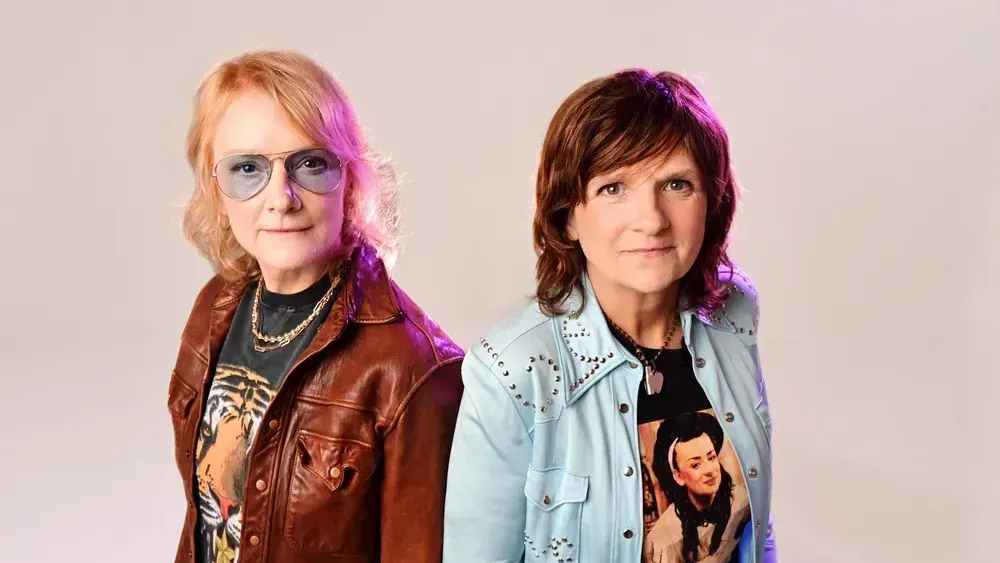
Photo Credit: Shervin Lainez
Few artists have built the kind of lasting legacy enjoyed by Indigo Girls. Across four decades, 16 studio albums, and more than 15 million records sold, Emily Saliers and Amy Ray have helped shape the landscape for generations of LGBTQ+ artists while creating one of the most devoted fan communities in American music.
Their influence extends well beyond music. Longtime activists, Saliers and Ray have championed causes including LGBTQ+ equality, racial justice, immigration reform, Native American rights, and education. Their commitment to advocacy has become as much a part of their legacy as their songs.
Perhaps most remarkable is the connection they continue to share with audiences. More than concerts, Indigo Girls performances feel like communal sing-alongs, bringing people together through music, compassion, and shared experience. In a world often defined by division, their songs remain a source of connection, comfort, and hope, proving that their message is as relevant today as it was when they first took the stage.
As Indigo Girls continue to bring people together through music, activism, and storytelling, Emily Saliers and Amy Ray joined us to reflect on their latest tour, their evolving creative process, and the unique connection they share with audiences around the world.
EDGE: What can fans expect from this tour?
Emily: Right now, Lucy Wainwright Roche is singing harmonies with us, and Lyrics Born is playing violin. Jeff Fielder is also with us, playing a variety of stringed instruments, as well as keyboard and bass. Jeff plays in Amy’s country band, the Amy Ray Band. Lyrics has been playing with us for many years, and Lucy recently joined to sing harmonies—and she also performs one of her own songs during the set. The show is a mix of songs spanning our entire catalog, from our first Epic album all the way through to our most recent release, Look Long, with plenty in between. We like to mix things up with both electric and acoustic arrangements. Amy typically performs a song from her country band or an original piece, and sometimes I do as well. So overall, it’s a bit of a musical mishmash.
EDGE: With a busy summer schedule, are there certain songs that feel especially suited to summer shows?
Amy: To me, when everyone’s outside together, it feels right to play songs that people can all sing along to. It’s just fun—like one big group sing-along. That really feels like a summer vibe to me. I mean, it works anytime, but especially in the summer when people are hanging out with their picnics or just relaxing—it’s all about feel-good songs. We still pull from every record, so there’s a range of themes, but I especially like leaning into the songs that make people want to dance around and just have a good time.
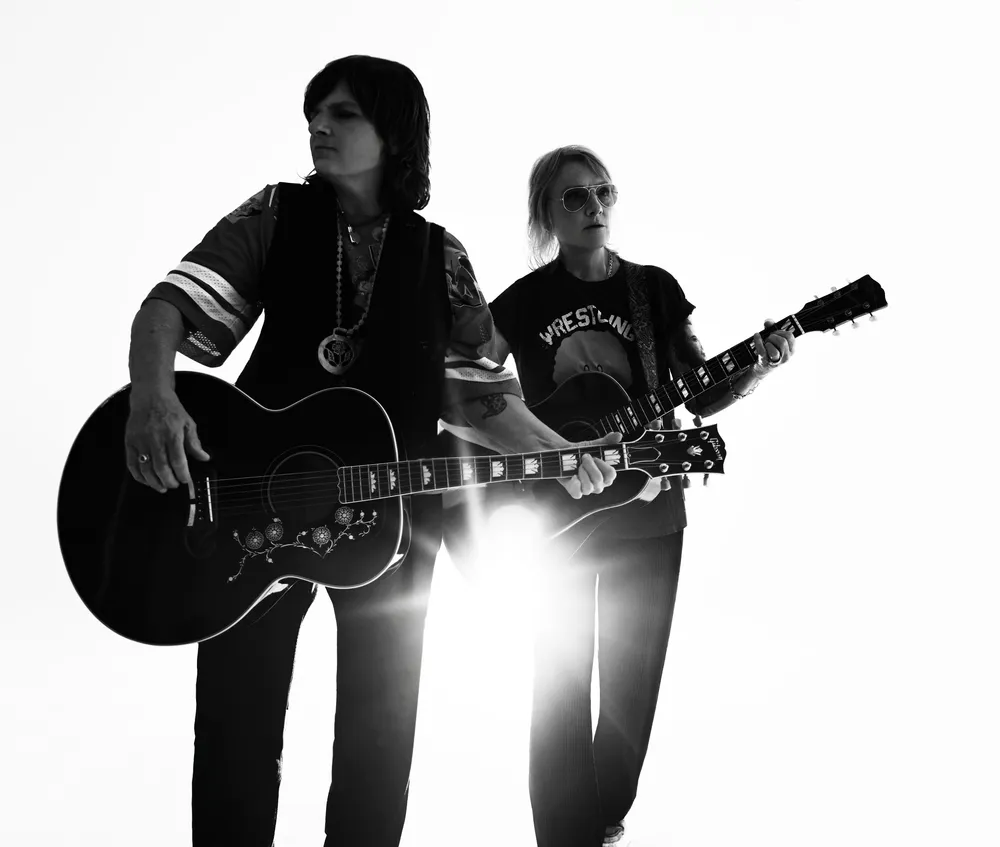
EDGE: Crowd sing-alongs are a hallmark of your concerts—how do those moments shape the overall experience?
Emily: I think for the audience, a lot of the people who come to our shows know much of our music—maybe not all of it, but they’re really connected to it. Every night, they’ll shout out songs they want to hear. Sometimes we can accommodate those requests and work them into the set on the spot, and other times they’ll call out something we haven’t rehearsed, so we’re not able to do it. But overall, coming to one of our shows—whether you’re in the audience or on stage—it doesn’t really feel like a traditional performance. It’s very communal. Everyone is sharing in the same energy, and when the audience sings, it’s incredibly powerful and joyful. Especially with everything going on in the world and in this country—the social climate, the difficulties, the pain—it feels really reaffirming to come together and sing. There just aren’t many places outside of, say, houses of worship where people gather publicly and sing together like that. It’s healing, and it brings people closer. That said, Amy and I still follow our instincts—we won’t play songs we’re not feeling. Sometimes we’ll choose a deep cut just because it’s something we really want to play. But there’s something special about those moments when everyone joins in—sometimes the audience will even take over an entire verse on their own. That’s always been a core part of what we do. It’s something our listeners love, and something we love being part of too. It’s just fantastic that it continues to happen.
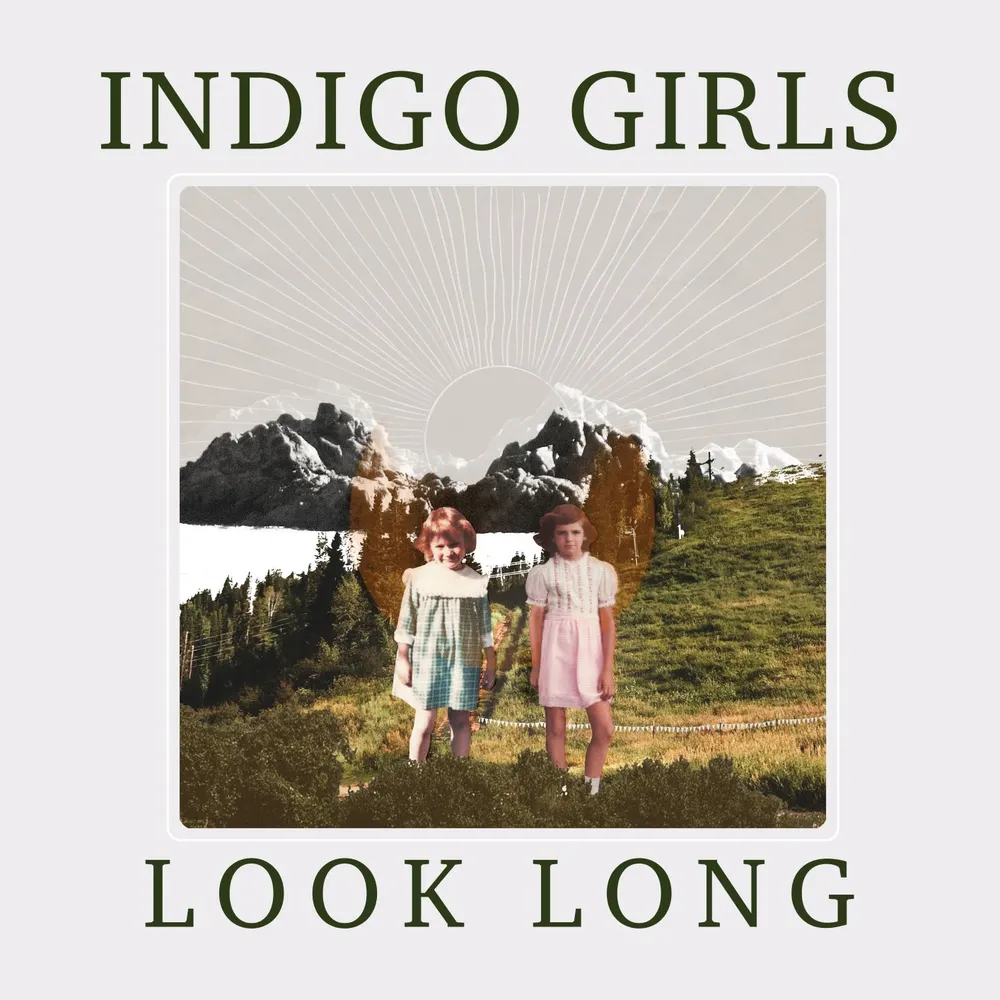
EDGE: Your latest album, Look Long, explores your origins—how did your early experiences with identity and belonging shape the stories in these songs?
Amy: For me, every record carries some element of your past—your identity, and how you’ve come to fit into the world. There are always references to that, even if it’s just a single line in a song. You’re writing from your own experience, so of course it shapes everything. At the same time, we hope people bring their own experiences to the songs—that they hear something and connect to it in a way that reflects or even shapes something in their own lives, which may be completely different from ours. In a way, we’re trying to meet people where they are, to lift them up a bit, and to create that sense of connection and engagement. On this particular record, at least for my songs, there’s a range of themes. One touches on my past and coming of age; another deals with gun violence; one is more lighthearted and fun; and another is about liberation. So it really runs the gamut. And of course, Emily can speak more to her own songs.
Emily: I think there’s a lot on Look Long that reflects how we grew up and what we’re thinking about now. As Amy said, that thread is always there in our albums. But for me, there are songs on this record that I wasn’t able to write until now. There’s a song called “Sorrow Enjoy” that deals with my little sister’s death—something I hadn’t been able to write about before, for whatever reason. Then the song “Look Long” really focuses on what’s happening politically right now and the divisions in this country. There are also songs that feel more nostalgic. One of mine, “When We Were Writers,” looks back on our college days, but also connects to a passion that’s still very much alive—creating, living, and staying engaged. So overall, the album feels very reflective of where we are now and where we’ve been.
EDGE: With decades of success behind you, what keeps the experience of making and performing music feeling fresh?
Amy: Well, for one thing, we tour in a lot of different configurations. Sometimes it’s a full band, and other times—like now—it’s a smaller group of five of us. It’s more stripped down, but still has a different feel than when it’s just me and Emily with our violinist, Lyrics Hung. Right now, with Jeff on board playing multiple instruments and Lucy adding harmonies, it changes which songs we gravitate toward and why. Whoever is opening the show also plays a big role. We’re always inspired to listen to them, get to know their music, and see what they’re doing—often they’re artists we’re already fans of. That really shapes the whole day and influences how we approach the set. We also change the set list every night. There’s a lot of flexibility, and every audience is different. People sing differently depending on the space—whether we’re indoors or outdoors, what city we’re in, or even the feel of the room. All of that affects how the songs land and how people join in. So the experience is always changing. For me, I try to really stay grounded in where I am—what city I’m in, what that place feels like—because it helps me connect more deeply in the moment.
EDGE: You’ve described yourselves as “a bar band at heart”—how does that ethos still guide you?
I think it’s a very human experience. Like I was saying, sometimes we’ll fit a request in on the spur of the moment, or just vibe off what’s happening in the audience and decide to switch up the set and throw in a different song. We also love bringing out whoever’s opening the show to join us on stage. That really comes from our bar band roots. We grew up in the South, playing places like Little Five Points Pub in Atlanta, where we really cut our teeth. There was always someone else getting up to play with us, and it just felt more joyful to share the music—get everyone up there and have a good time together. That’s a big part of who we are. There’s nothing slick about our show—it’s very real. We tune on stage, sometimes we make mistakes, start over, or just keep going. You know? We want to play as well as we can and sound as good as possible, but I don’t feel this internal pressure to “put on a show” in that polished sense. It really comes from how we grew up and the scene we came out of. We were in Atlanta, close to Athens—our kind of sister city musically—and both places had that same community-focused spirit. We still feel very connected to that. We play clubs, we play big venues, we mix it up—but there’s something about clubs, even the smell of them, the dinginess, or those small theaters… it just feels like home.
EDGE: How do you balance activism with artistry without feeling like one overshadows the other?
Amy: I think it really comes down to reading the room. At some shows, we might feature an activist group tabling in the lobby. For example, we recently participated in the Wear Orange campaign with Everytown, Moms Demand Action, and Students Demand Action to prevent gun violence. They were there, and we had a speaker join us, and we played a song that fit the moment—it felt really meaningful and special. Other shows don’t have that element, so it really just depends on where we are and what’s happening that night. We try to balance the setlist and the kinds of songs we play, because even if you really care about activism, you probably don’t want to hear songs about the same topic all night long. So we just approach it as honestly as we can. In the end, it’s about how it feels in the moment and responding to that.
EDGE: What inspires you when you look at the new generation of queer musicians and activists?
Emily: I’m really inspired by so many young queer musician-activists right now. We recently had this young artist, Jesse Mason, out with us—I actually found her on Instagram. She’s very openly queer, and the young queer people I’m meeting just feel so engaged. They have a strong awareness of what’s happening around them, and they really draw people in. There’s also a band we love called MUNA—I’ve become friends with Katie Gavin. I went to see her solo show and sang with her in New York, and being around her and her community was incredible. These artists and their friends aren’t just talking about change—they’re actually doing the work. They’re traveling to places in the Middle East to help get food to Palestinians, showing up in their own communities during crises like the fires in California, or events in places like Minnesota or Springfield. They’re actively involved, on the ground. They’re also very sex-positive and body-positive, and to me, they’re really embodying what the world could look like if people were free to be themselves. I see something really specific and powerful in young queer artists and those communities—it’s deeply inspiring. And on top of all that, the music they’re making is incredible. It really makes you think.
EDGE: What kind of emotional journey do you hope audiences go on during a performance?
Amy: We hope people experience the full range of emotions—laugh, cry, and just release whatever they need to. Ideally, it’s something that allows for growth and happiness, or, if someone is grieving, gives them a space—a kind of portal—to process that. More than anything, we want people to feel whatever they need to feel in that moment, because that’s what we experience too. It’s meant to be a shared, communal experience where everyone contributes to that energy.
Grab your tickets to the Indigo Girls’ tour by hopping onto their official site, www.indigogirls.com —then get ready for a night of singalong magic and feelgood vibes!
Copyright EDGE Media Network. All rights reserved. This material may not be published, broadcast, rewritten, or redistributed.