Josh Hutcherson Jokingly Slams Infamous Peeta Camouflage Scene: “Why Didn’t Someone Stop It?”
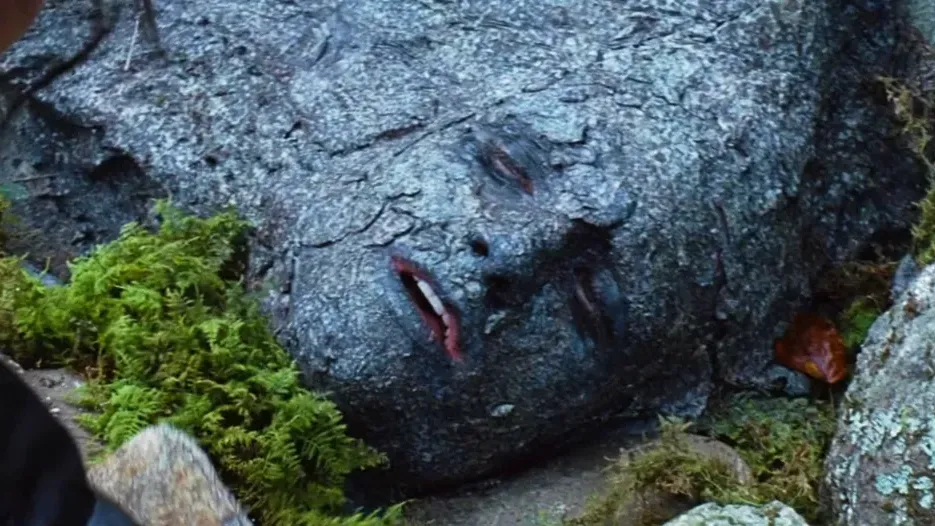
Photo Credit: Lionsgate
by Chris Tremblay Apr 24
4 MIN READ
Josh Hutcherson has sparked a fresh wave of nostalgia, memes, and debate after openly mocking the notorious rock‑camouflage scene from the first Hunger Games film, joking that he tried to flag how unrealistic it was and asking, “Why didn’t someone stop it?”. In a recent GQ interview reflecting on his time as Peeta Mellark, the now‑33‑year‑old actor described the scene as “silly,” saying there were “so many people who could have stopped it” before it became one of the franchise’s most enduring memes.
Background and Context
The moment in question appears in the 2012 adaptation of Suzanne Collins’ The Hunger Games, where Peeta, gravely injured, camouflages himself so effectively against a riverbank rock that he is almost invisible until Katniss Everdeen discovers him. The film shows Peeta’s face and body covered in intricate, hyper‑realistic body paint, complete with shadows and textures that resemble professional special‑effects makeup more than hastily mixed mud and dye.
In the original novels, Peeta’s camouflage skills are grounded in his experience decorating cakes at his family’s bakery, a detail the movie nods to by showing him painting during training sessions. Fans and commentators note that while the books emphasize Peeta’s artistic abilities, the film’s interpretation takes that concept to an extreme visual level that many viewers have found both absurd and iconic.
Hutcherson’s Critique of the Scene
Speaking to GQ in comments recirculated by multiple outlets, Hutcherson said that even during filming he questioned the logic of Peeta pulling off such elaborate camouflage under survival conditions. “I was like, ‘Look, I know this dude’s a baker, but how is he doing this?’” he recalled, adding, “Baking sourdough is not painting. How the f*** did he do that?”.
Hutcherson said he tried to raise his concerns at the time, but the sequence ultimately stayed in the finished film and later took on a life of its own as a viral image. “Why didn’t someone stop it? There are so many people who could have stopped it. They let it happen to me. I just lay there,” he joked, highlighting how powerless performers can feel once creative decisions are made on large franchise sets.
Coverage of the interview underscores that Hutcherson framed his remarks humorously rather than as a harsh attack on the film or its creative team. Outlets including The Independent and Digital Spy characterize his tone as self‑deprecating and amused, emphasizing that he still speaks fondly of the franchise while playfully acknowledging its more implausible moments.
Fan Reactions: From Roasting to Defense
Hutcherson’s comments immediately reverberated through social media spaces, where The Hunger Games has long maintained a dedicated fandom that includes many queer and gender‑diverse viewers who saw themselves reflected in the story’s themes of resistance and marginalization. Articles summarizing the backlash report that some fans “roasted” Hutcherson for wanting to cut the scene, arguing that he misunderstood how well Peeta’s artistic skills are established in the source material.
On X and other platforms, users urged the actor to reread the books, pointing out that Peeta is portrayed as both a baker and an artist, which for them justifies the elaborate camouflage and reinforces his resourcefulness. Some fans framed the sequence as intentionally heightened or metaphorical, while others embraced it as part of the franchise’s camp appeal, reflecting how different communities, including LGBTQ+ audiences, often reclaim and celebrate stylized or exaggerated genre moments.
Reports also highlight that not all responses were critical; many people expressed affection for the rock‑camouflage scene precisely because it is implausible and visually striking. Commenters described it as “iconic anyway,” suggesting that its meme status has become inseparable from how fans remember Peeta and the emotional arc he shares with Katniss.
A Franchise Back in the Spotlight
Entertainment outlets note that Hutcherson’s reflections arrive at a time when The Hunger Games franchise is again in the public eye, with a second prequel film scheduled for release later in 2026. This renewed attention has encouraged fans, including many LGBTQ+ viewers who connected with the series’ exploration of authoritarian violence and resistance, to revisit earlier installments and re‑evaluate moments that once passed without much scrutiny.
Some coverage, including from The Express Tribune, emphasizes how Hutcherson now looks back on the camouflage sequence with humor, using it as an example of the compromises actors accept when serving a larger narrative and visual vision. He is quoted as acknowledging that filmmaking often prioritizes symbolism and spectacle over strict realism, a dynamic that may help explain why the creative team chose to lean into such a stylized depiction of Peeta’s survival tactic.
For fans, the renewed discourse feeds into a longer‑running conversation about how blockbuster franchises balance grounded storytelling with heightened imagery, especially in dystopian narratives that resonate with marginalized communities who see their struggles metaphorically reflected on screen. The way Peeta is rendered as both physically vulnerable and visually resourceful has been read by some viewers as a nod to the resilience of people who survive oppression through creativity and non‑violent forms of resistance.
Legacy of an “Iconic” Meme Scene
More than a decade after The Hunger Games debuted, the rock‑camouflage image remains a staple of online humor, reaction posts, and fan edits, with Hutcherson’s recent remarks giving it a new burst of visibility. Bored Panda’s coverage describes fans calling his attempt to cut the scene “short and stupid,” while simultaneously acknowledging that his performance remains widely appreciated.
Hutcherson, for his part, continues to praise the franchise’s broader themes and impact, even as he laughs at specific choices like the camouflage makeup that turned him into an enduring meme. Entertainment reporting stresses that his comments have not diminished enthusiasm for the series; instead, they have encouraged audiences to revisit and re‑discuss a franchise that has long offered meaningful allegories for a wide range of viewers, including LGBTQ+ people who find resonance in its depictions of chosen family, resistance, and survival.
Copyright EDGE Media Network. All rights reserved. This material may not be published, broadcast, rewritten, or redistributed.