Jonathan Van Ness Calls 'Queer Eye' Finale ‘Bittersweet’ As They Address Cast Tensions And Look Ahead
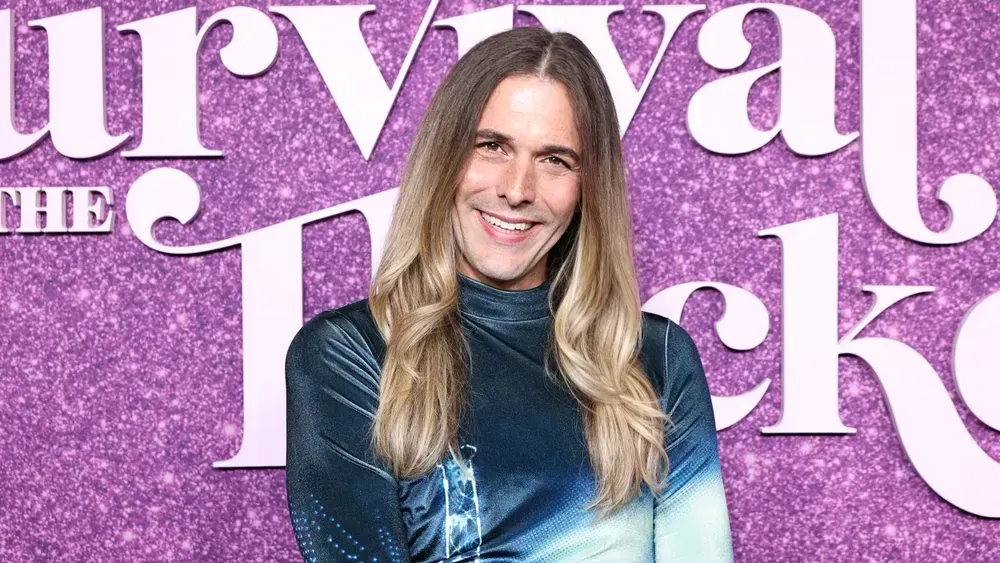
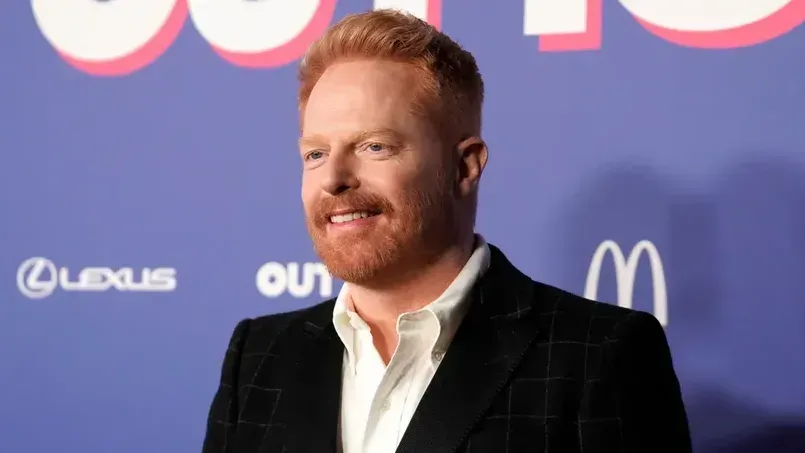
NEW YORK, NEW YORK - MARCH 26: Jonathan Van Ness attends Netflix's "Survival Of The Thickest" Season 2 Premiere at DGA Theater on March 26, 2025 in New York City. Photo Credit: (Photo by Jamie McCarthy/Getty Images)
Jonathan Van Ness has publicly characterized the end of Netflix’s makeover series Queer Eye as “bittersweet,” marking their first extended comments on the show’s conclusion since reports of cast drama began circulating earlier this year. Speaking in a new interview with the UK’s PA news agency, Van Ness, who uses they/them pronouns, said they felt deep gratitude for the series’ impact while also expressing excitement about moving into the next phase of their career.
Cast tensions and ‘varying relationships’
In the same interview, Van Ness addressed ongoing conversation about friction within the Queer Eye cast, which intensified after culture presenter Karamo Brown missed parts of the promotional tour for the final season and later cited a need to focus on his mental health. Reports at the time described Brown’s absence as a surprise to some colleagues and framed it as part of a broader narrative about tensions behind the scenes of the long-running production.
Asked whether relationships among the Fab Five had improved, Van Ness responded that “between the people that have been on the cast, we all have varying relationships – some of us are closer, some of us are not so close,” adding that “I think that’s also okay,” and concluding, “that’s where we are on that.” The remarks stop short of confirming specific conflicts or reconcilations, but they acknowledge that, after years of working and traveling together, different cast members now connect in different ways, without presenting distance as failure.
The interview arrives after months of online discussion about interpersonal dynamics among Van Ness, Brown, Tan France, Antoni Porowski, Bobby Berk, and later addition Jeremiah Brent, with much of that discourse driven by social media speculation rather than on-the-record statements. Van Ness’s emphasis on “varying relationships” and the idea that not all friendships must remain equally close appears to push back gently against expectations that queer ensembles, and LGBTQ+ colleagues in the public eye, should present a uniformly united front at all times.
Nearly a decade of visibility and change
Queer Eye’s most recent season, its 10th, was confirmed as the final installment of the rebooted series, ending a run that began in 2018 and saw the Fab Five travel across the United States and internationally to meet participants, usually referred to as “heroes,” and help them navigate style, home, food, culture, and personal care. Over that period, Van Ness became widely recognized for their hair expertise, emotionally open conversations, and candid discussions of living as a non-binary, HIV-positive person, contributing to a broader shift toward more visible and affirming LGBTQ+ representation in mainstream unscripted television.
Reflecting on this period, Van Ness described Queer Eye as “such an incredible ride” filled with “memories and experiences that I just treasure forever,” adding that the show is “part of why I can even tour and come to the UK.” They also reiterated, “Bittersweet is the best way I can say it. I’m so grateful. I loved making the show and it was so special in such a special time,” foregrounding appreciation for participants and for the communities that connected with the series worldwide.
Van Ness’s comments underscore the way Queer Eye operated at the intersection of makeover television and LGBTQ+ storytelling, often centering the emotional realities of heroes who included queer and transgender people, parents, and community leaders alongside straight participants. By highlighting grief, joy, and resilience in parallel, the series sought to normalize complex queer experiences rather than reduce them to one-note narratives, which Van Ness now echoes in describing both sorrow and optimism at the show’s end.
New tour, new material, and a queerer stage
Alongside reflecting on Queer Eye, Van Ness used the interview to spotlight their live show Hot & Healed, which they are bringing to audiences in the UK and Ireland and which they describe as “a lot queerer and a lot raunchier” than the Netflix series. The production is presented as a stand-up and storytelling tour that weaves together the last two years of their life “publicly, politically,” and explores what they see as collective pathways to healing amid political and cultural turbulence.
Van Ness explained that Hot & Healed addresses, among other topics, being featured in a US$220 million pro-Donald Trump political ad in 2024, which they said was “pretty devastating” because of how their image was used to galvanize support for policies and rhetoric they oppose. They described stand‑up comedy as a way of “making light of the things that would otherwise make you cry,” emphasizing that Hot & Healed seeks to hold grief and joy alongside one another and to connect audiences through humor that does not diminish the seriousness of contemporary political threats to LGBTQ+ people.
The tour also represents a strategic shift in Van Ness’s public work, moving from an ensemble television format into a more individually authored space where they can delve into topics such as body autonomy, trans‑affirming care, and queer community responses to right‑wing organizing, themes they have regularly discussed across podcasts and social media. In their comments, Van Ness framed this creative direction as part of “seeing what life has to offer” after Queer Eye while continuing to prioritize LGBTQ+ audiences and allies.
Navigating scrutiny, mental health, and queer community expectations
Although the most recent interview centers on the show’s end and Van Ness’s new tour, it also sits within a broader context of scrutiny around the Queer Eye cast, including previous reporting that raised allegations about set dynamics and interpersonal conflict. Earlier coverage documented how Brown’s decision to prioritize his mental health by stepping back from elements of the press tour was communicated to the public through a statement shared on U.S. television, highlighting how mental health considerations are increasingly discussed openly by LGBTQ+ public figures.
Van Ness’s current focus on collective healing and on normalizing “varying relationships” within the cast aligns with a wider push in queer communities to recognize that healthy boundaries, changing friendships, and mental health prioritization are compatible with solidarity and shared advocacy. This framing also counters online narratives that cast any distance between LGBTQ+ colleagues as betrayal, instead presenting it as part of how long‑term collaborations evolve over time.
In highlighting both the emotional difficulty of ending a landmark series and the creative freedom of a new chapter, Van Ness positions themself as a queer, non‑binary artist who can honor a shared past while not being defined solely by one project. Their remarks suggest a continued commitment to using comedy, storytelling, and visibility to respond to political challenges and to advocate for LGBTQ+ people, even as the specific format of Queer Eye recedes from the weekly viewing schedule.
Copyright EDGE Media Network. All rights reserved. This material may not be published, broadcast, rewritten, or redistributed.