Dave Chappelle Says Media ‘Misconstrued’ His Trans Jokes, Insists It’s Not “Me vs. the Gay Community”
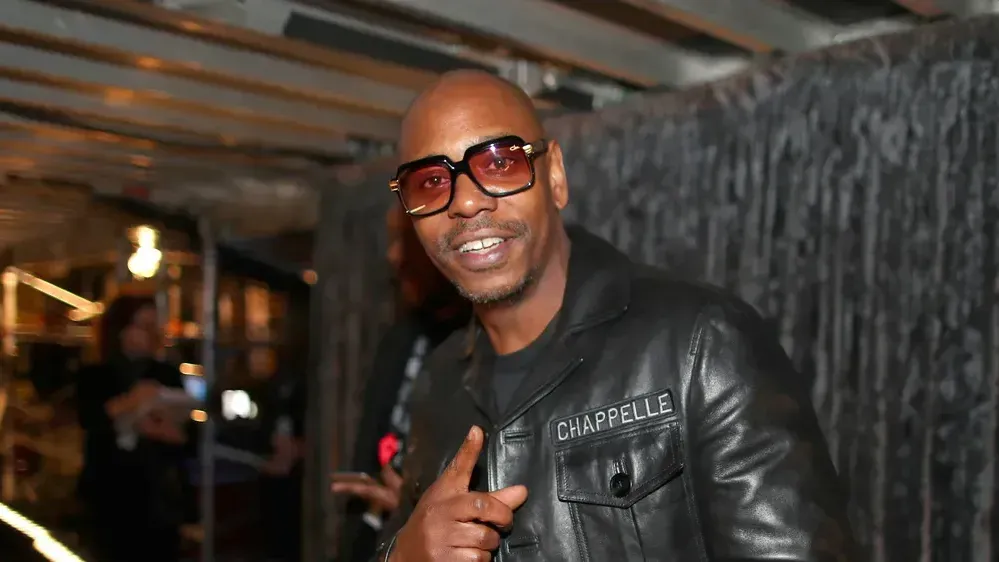
NEW YORK, NY - JANUARY 28: Comedian Dave Chappelle attends the 60th Annual GRAMMY Awards at Madison Square Garden on January 28, 2018 in New York City. Photo Credit: (Photo by Christopher Polk/Getty Images for NARAS)
by Chris Tremblay May 8
5 MIN READ
Dave Chappelle has once again addressed controversy over his jokes about transgender people, claiming that media coverage has distorted his intentions and wrongly framed him as being in conflict with LGBTQ+ communities.
Speaking on the May 6 episode of the IMO podcast, Chappelle said the public narrative around his material has often been that “people would think it’s me vs. the gay community,” a framing he explicitly rejected.
In his recent IMO podcast appearance, Chappelle argued that news coverage “gets his comedy wrong” when reporting on his transgender‑related jokes, emphasizing that the context of a live set cannot be captured in print or selective clips.
He maintained that he never saw the situation as adversarial toward LGBTQ+ people, saying: “People would think it’s me vs. the gay community. I never looked at it like that,” portraying the controversy instead as “corporate interest and culture negotiating itself.”
Chappelle described some of his harshest critics as commentators “with their faces pressed against the glass,” suggesting that many were outside the day‑to‑day culture of stand‑up comedy, despite engaging intensely with his work in media debates and online discourse.
Chappelle also painted comedy clubs as spaces where a wide range of identities and perspectives are represented, including transgender comedians and people from diverse racial and cultural backgrounds.
He asserted that “every opinion you can think of is represented in a comedy club” and insisted that comics “would never think to silence one another,” casting stand‑up as a fundamentally pluralistic arena where different views are argued, challenged, and refined in conversation on and off stage.
Positioning comedy as an art form built on experimentation, Chappelle said performers are “playing with whatever the culture is made of,” breaking it down and sometimes getting things “right” or “wrong,” but needing what he called a “margin of error” for work to be good or “hopefully great.”
He complained that “nothing makes a comedian madder than reading his joke wrong in the paper,” arguing that reading a joke is “nothing like hearing one or being one,” and that the intention and tone of a live comedy show are difficult to translate into headlines and short excerpts.
Chappelle’s latest remarks arrive against the backdrop of several years of controversy over his material about transgender people and queer communities, particularly in his high‑profile Netflix specials.
In 2021, his special The Closer featured multiple jokes about gay and transgender people and included a line in which he described himself as being on “team TERF,” a reference commonly associated with anti‑transgender rhetoric, sparking internal protests and a walkout by some Netflix employees concerned about harm to transgender people and broader LGBTQ+ communities.
Netflix co‑chief Ted Sarandos publicly defended the special at the time, arguing that the platform would continue to host a wide range of voices, even as employees and advocates raised alarms about the impact of high‑visibility jokes on already marginalized transgender communities.
Chappelle revisited the topic again in his 2023 special The Dreamer, including a joke about himself writing a play to repair his relationship with transgender communities, which centered on a Black transgender woman whose pronoun is a racial slur and who “dies of loneliness ’cause white liberals don’t know how to speak to her,” a line widely cited by critics as an example of his continued reliance on transgender people as the subject of provocative punchlines.
These specials have contributed to an ongoing debate among LGBTQ+ advocates and comedy audiences about when a joke crosses the line from boundary‑pushing commentary into reinforcing stereotypes and stigma that transgender people and queer communities already face in daily life.
While Chappelle emphasizes misrepresentation by media outlets, many LGBTQ+ advocates and transgender commentators argue that the issue is less about misunderstanding and more about the broader social context in which such jokes circulate.
Critics point to a pattern in which major platforms amplify material that makes transgender people the focus of derision or debate, even as those same communities face legislative attacks, discrimination, and violence in various regions, arguing that high‑profile jokes can feed into hostile climates regardless of a comedian’s stated intentions.
In a separate April 15 appearance on NPR’s Newsmakers, Chappelle expressed resentment toward Republicans whom he accused of “weaponising” his transgender jokes, saying that he believed they were doing a politicized “weaponised version” of what he was doing onstage and insisting “that’s not what I was doing.”
LGBTQ+ commentators have noted that this acknowledgment—that jokes about transgender people can be taken up by political actors and used in campaigns or culture‑war rhetoric—highlights the distance between a joke as crafted in a club and the way it can function in public discourse, including in settings where transgender people have little control over the narrative.
Chappelle’s suggestion that only those “in the room” truly understand his material has been challenged by transgender writers and LGBTQ+ advocates who point out that the people most affected by such jokes are often those who encounter them as viral clips, headlines, and secondhand references, rather than as part of a full live performance.
These critics argue that when jokes about transgender people are broadcast via major streaming services and shared widely online, they shape perceptions among audiences far beyond the comedy club, including viewers who may already hold or adopt negative attitudes toward transgender communities.
Chappelle remains a major draw in stand‑up, and his current comments come as he continues to book large venues and prominent festivals.
He is scheduled to perform at the Hollywood Palladium from May 7 to 9 as part of the Netflix Is a Joke Fest, a high‑profile comedy event featuring some of the biggest names in stand‑up.
The festival appearance underscores the continued support Chappelle enjoys within much of the comedy industry and among large segments of his audience, even as criticism of his material from transgender advocates and LGBTQ+ writers remains persistent.
Observers note that his latest remarks are unlikely to settle the debate; instead, they may sharpen ongoing questions about responsibility, intent, and accountability when jokes about transgender people and queer communities move from intimate clubs into global media ecosystems.
As Chappelle continues to defend his approach as part of an artistic tradition that tests cultural boundaries, LGBTQ+ advocates and many transgender people emphasize that their concerns are grounded not only in intention but in the tangible effects that repeated public jokes about their identities can have on safety, dignity, and public understanding.
Chappelle’s new defense on podcast
In his recent IMO podcast appearance, Chappelle argued that news coverage “gets his comedy wrong” when reporting on his transgender‑related jokes, emphasizing that the context of a live set cannot be captured in print or selective clips.
He maintained that he never saw the situation as adversarial toward LGBTQ+ people, saying: “People would think it’s me vs. the gay community. I never looked at it like that,” portraying the controversy instead as “corporate interest and culture negotiating itself.”
Chappelle described some of his harshest critics as commentators “with their faces pressed against the glass,” suggesting that many were outside the day‑to‑day culture of stand‑up comedy, despite engaging intensely with his work in media debates and online discourse.
Comedy clubs, ‘every opinion,’ and a claimed ‘margin of error’
Chappelle also painted comedy clubs as spaces where a wide range of identities and perspectives are represented, including transgender comedians and people from diverse racial and cultural backgrounds.
He asserted that “every opinion you can think of is represented in a comedy club” and insisted that comics “would never think to silence one another,” casting stand‑up as a fundamentally pluralistic arena where different views are argued, challenged, and refined in conversation on and off stage.
Positioning comedy as an art form built on experimentation, Chappelle said performers are “playing with whatever the culture is made of,” breaking it down and sometimes getting things “right” or “wrong,” but needing what he called a “margin of error” for work to be good or “hopefully great.”
He complained that “nothing makes a comedian madder than reading his joke wrong in the paper,” arguing that reading a joke is “nothing like hearing one or being one,” and that the intention and tone of a live comedy show are difficult to translate into headlines and short excerpts.
Long-running tensions over trans jokes
Chappelle’s latest remarks arrive against the backdrop of several years of controversy over his material about transgender people and queer communities, particularly in his high‑profile Netflix specials.
In 2021, his special The Closer featured multiple jokes about gay and transgender people and included a line in which he described himself as being on “team TERF,” a reference commonly associated with anti‑transgender rhetoric, sparking internal protests and a walkout by some Netflix employees concerned about harm to transgender people and broader LGBTQ+ communities.
Netflix co‑chief Ted Sarandos publicly defended the special at the time, arguing that the platform would continue to host a wide range of voices, even as employees and advocates raised alarms about the impact of high‑visibility jokes on already marginalized transgender communities.
Chappelle revisited the topic again in his 2023 special The Dreamer, including a joke about himself writing a play to repair his relationship with transgender communities, which centered on a Black transgender woman whose pronoun is a racial slur and who “dies of loneliness ’cause white liberals don’t know how to speak to her,” a line widely cited by critics as an example of his continued reliance on transgender people as the subject of provocative punchlines.
These specials have contributed to an ongoing debate among LGBTQ+ advocates and comedy audiences about when a joke crosses the line from boundary‑pushing commentary into reinforcing stereotypes and stigma that transgender people and queer communities already face in daily life.
Clashing narratives: media framing vs. lived impact
While Chappelle emphasizes misrepresentation by media outlets, many LGBTQ+ advocates and transgender commentators argue that the issue is less about misunderstanding and more about the broader social context in which such jokes circulate.
Critics point to a pattern in which major platforms amplify material that makes transgender people the focus of derision or debate, even as those same communities face legislative attacks, discrimination, and violence in various regions, arguing that high‑profile jokes can feed into hostile climates regardless of a comedian’s stated intentions.
In a separate April 15 appearance on NPR’s Newsmakers, Chappelle expressed resentment toward Republicans whom he accused of “weaponising” his transgender jokes, saying that he believed they were doing a politicized “weaponised version” of what he was doing onstage and insisting “that’s not what I was doing.”
LGBTQ+ commentators have noted that this acknowledgment—that jokes about transgender people can be taken up by political actors and used in campaigns or culture‑war rhetoric—highlights the distance between a joke as crafted in a club and the way it can function in public discourse, including in settings where transgender people have little control over the narrative.
Chappelle’s suggestion that only those “in the room” truly understand his material has been challenged by transgender writers and LGBTQ+ advocates who point out that the people most affected by such jokes are often those who encounter them as viral clips, headlines, and secondhand references, rather than as part of a full live performance.
These critics argue that when jokes about transgender people are broadcast via major streaming services and shared widely online, they shape perceptions among audiences far beyond the comedy club, including viewers who may already hold or adopt negative attitudes toward transgender communities.
Upcoming shows and ongoing scrutiny
Chappelle remains a major draw in stand‑up, and his current comments come as he continues to book large venues and prominent festivals.
He is scheduled to perform at the Hollywood Palladium from May 7 to 9 as part of the Netflix Is a Joke Fest, a high‑profile comedy event featuring some of the biggest names in stand‑up.
The festival appearance underscores the continued support Chappelle enjoys within much of the comedy industry and among large segments of his audience, even as criticism of his material from transgender advocates and LGBTQ+ writers remains persistent.
Observers note that his latest remarks are unlikely to settle the debate; instead, they may sharpen ongoing questions about responsibility, intent, and accountability when jokes about transgender people and queer communities move from intimate clubs into global media ecosystems.
As Chappelle continues to defend his approach as part of an artistic tradition that tests cultural boundaries, LGBTQ+ advocates and many transgender people emphasize that their concerns are grounded not only in intention but in the tangible effects that repeated public jokes about their identities can have on safety, dignity, and public understanding.
Copyright EDGE Media Network. All rights reserved. This material may not be published, broadcast, rewritten, or redistributed.