Dua Lipa Sues Samsung for $15 Million Over Alleged Unauthorized Use of Her Image on TV Packaging
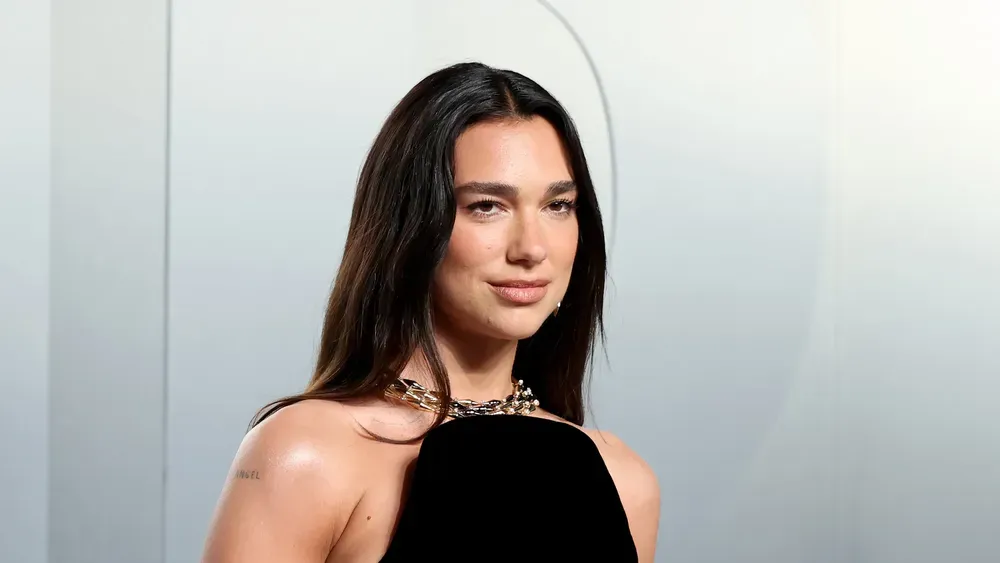
LOS ANGELES, CALIFORNIA - MARCH 15: Dua Lipa attends the 2026 Vanity Fair Oscar Party Hosted By Mark Guiducci at Los Angeles County Museum of Art on March 15, 2026 in Los Angeles, California. Photo Credit: Amy Sussman
Dua Lipa has filed a civil lawsuit in U.S. federal court accusing Samsung Electronics of using her image on retail television packaging without her authorization in order to promote and sell its TVs. The Grammy-winning pop artist is seeking at least $15 million in damages, alleging copyright infringement, trademark violations, and breaches of her publicity rights tied to the use of a concert photograph on boxes containing Samsung televisions.
The legal filing asserts that the image in question is a copyrighted photograph titled “Dua Lipa – Backstage at Austin City Limits, 2024,” and that Lipa owns all rights, title, and interest in the picture, including its commercial exploitation. Her lawyers argue that Samsung had no license or permission to reproduce or distribute the photo on its television packaging, yet used it prominently as a selling tool.
Filing details and legal theories
The complaint was filed in a federal court in California, with reports indicating it was lodged late last week, on or around Friday, May 8, 2026, and names Samsung Electronics as the defendant. Lipa’s legal team advances multiple causes of action, including copyright infringement for unauthorized reproduction and distribution of the photograph, trademark infringement for exploiting her name and likeness as a brand identifier, and violation of her right of publicity under applicable state laws.
In court documents quoted by multiple outlets, Lipa’s team alleges that Samsung’s conduct constitutes “willful infringement,” claiming the company knowingly used her image without clearance and then persisted even after being asked to stop. The complaint reportedly states that Samsung’s use of Lipa’s “assets for zero consideration makes a mockery of her hard work,” language cited in at least one broadcast report summarizing the filing.
Lipa is requesting monetary relief of at least $15 million, along with other potential remedies that could include profits attributable to the alleged infringement, statutory damages where applicable, and injunctive relief to halt further use of her image. Reports indicate the complaint also seeks to have the existing “infringing products” removed from the market, arguing that continuing sales extend the harm to her reputation and commercial standing.
Claims of brand dilution and false endorsement
Central to the lawsuit is Lipa’s contention that Samsung’s packaging design wrongly signaled to consumers that she endorsed or was formally associated with the company’s televisions. The complaint describes the packaging as prominently featuring her image in a way that leveraged her status as a globally recognized pop star to make the product more appealing on store shelves.
Lipa’s lawyers assert that this alleged false association dilutes her “brand identity and commercial goodwill” by suggesting that she approves of, endorses, or is compensated for the use of her likeness when she is not. The filing reportedly emphasizes that Lipa is deliberate about commercial partnerships and “would not have agreed” to license her name, image, or likeness for the sale of these specific television products.
The lawsuit cites examples of consumer reactions, including screenshots of social media posts where individuals commented that they wanted to buy the Samsung TV “just because Dua is on it,” as evidence that her presence on the packaging influenced purchasing decisions. One account described in reports involves a consumer who allegedly wrote that seeing Lipa on the box led them to choose that television, which her team uses to support claims of misappropriated endorsement value.
Timeline of alleged infringement and responses
According to Lipa’s lawyers, the singer became aware of the alleged unauthorized use of her image in June 2025, when the TV packaging bearing her photo was already in circulation. The complaint states that after discovering the packaging, her representatives contacted Samsung and demanded that the company stop using the photograph and pull the boxes from retail channels.
Despite those alleged cease-and-desist demands, the filing asserts that Samsung “refused to comply” and continued to sell the televisions in packaging that prominently displayed Lipa’s image. The complaint characterizes Samsung’s response as “dismissive and callous,” arguing that the ongoing sale of the “infringing products” exacerbates the harm to Lipa’s control over her image and the perception of her brand.
Reports indicate the lawsuit was filed after months of unsuccessful attempts to resolve the dispute outside of court, though specific details about any negotiations or correspondence have not been made public beyond the language of the complaint. The filing positions litigation as a last resort taken to protect Lipa’s commercial and artistic interests after, her team says, Samsung declined to voluntarily halt the use.
Samsung’s response and broader implications
As of the latest reporting, Samsung Electronics has declined to comment substantively on the case, citing a policy of not discussing pending litigation. A spokesperson for the company reportedly did not provide further details in response to media inquiries, and no public court filings from Samsung outlining its defense have yet been highlighted in coverage.
Legal experts quoted in coverage note that right-of-publicity and image-licensing disputes involving high-profile artists often hinge on whether a company obtained clear permission and on how strongly the disputed use suggests an endorsement or sponsorship. In this case, the packaging allegations put front-and-center the question of how far brands can go in incorporating celebrity imagery into product presentation without a formal deal, an issue closely watched by musicians, actors, and other public figures who carefully manage their commercial partnerships.
The case also arrives at a moment when artists and public figures, including LGBTQ+ performers and other marginalized communities, are increasingly vocal about control over their likeness and how their identities are used in marketing. While this lawsuit centers specifically on Lipa and Samsung, it underscores broader debates over consent, compensation, and agency in celebrity branding, debates that resonate across entertainment, advertising, and fan communities.
As the case proceeds, the court will be asked to assess whether Samsung’s use of the Austin City Limits photograph violated Lipa’s rights and, if so, what financial and injunctive remedies are appropriate. No trial date or major procedural milestones have yet been widely reported, and the litigation is likely to draw continued media attention given Lipa’s international profile and Samsung’s status as a leading global technology brand.
Copyright EDGE Media Network. All rights reserved. This material may not be published, broadcast, rewritten, or redistributed.