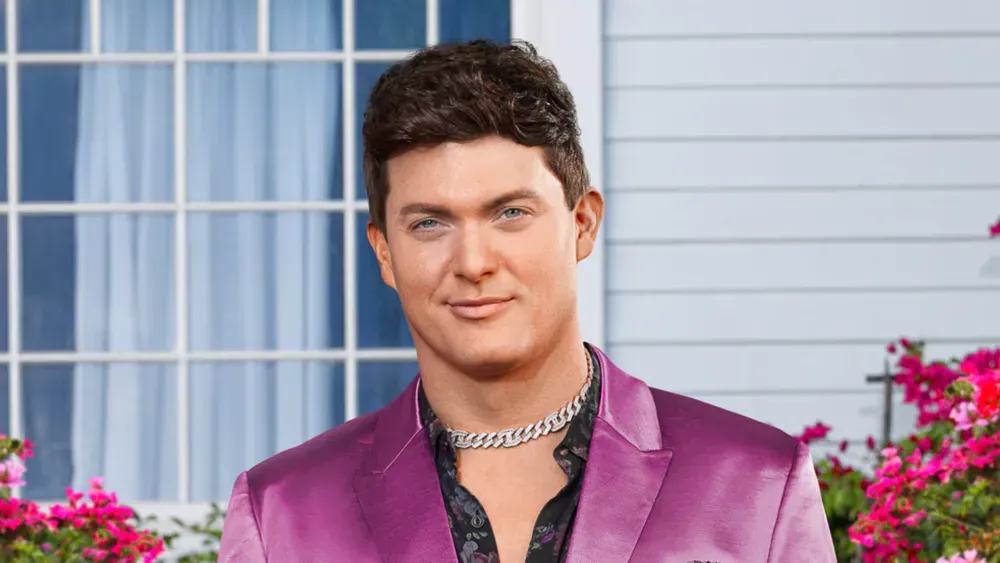
Billie Eilish Describes ‘Constant’ Tic Suppression With Tourette Syndrome, Highlighting Hidden Labor of Being on Camera
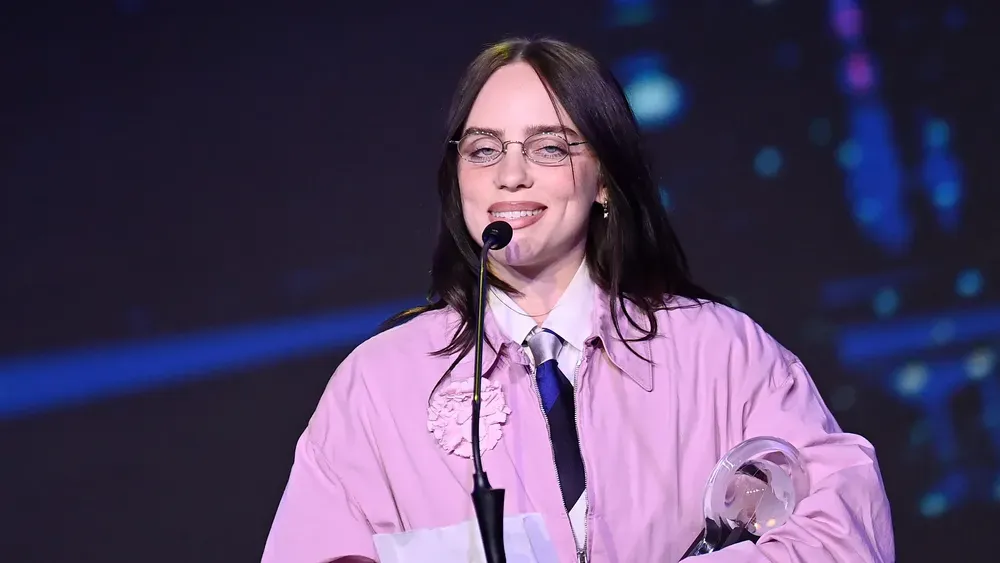
ATLANTA, GEORGIA - JANUARY 17: Billie Eilish accepts the Environmental Justice Award onstage during the 2026 King Holiday Observance: 2026 MLK, Jr. Beloved Community Awards at Hyatt Regency Atlanta on January 17, 2026 in Atlanta, GeorgiaPhoto Credit: Paras Griffin
Billie Eilish has used a new podcast appearance to expand public understanding of Tourette syndrome, describing how she “constantly” suppresses tics in order not to appear “distracting” while in front of cameras. Speaking with actor and comedian Amy Poehler on Poehler’s “Good Hang” podcast, the 24‑year‑old musician explained that interviews and filmed conversations often involve intense, invisible effort to keep her tics under control.
‘Everything in my power’ to suppress tics on camera
Describing her experience in interview settings, Eilish told Poehler that she exerts intense focus to hold back any tic that might be noticeable to viewers. “When I’m in an interview, I’m doing everything in my power to suppress all of my tics constantly,” she said, adding that the release comes only when the cameras switch off.
“As soon as I leave the room, I have to let them all out,” Eilish explained, characterizing the end of a public appearance as an opportunity to stop masking her symptoms. She emphasized that this pattern is not merely a personal quirk but reflective of how many people with Tourette syndrome navigate environments that expect stillness and silence.
During the podcast taping itself, Eilish pointed out that her body was active with tics even when they were not visible to Poehler or to listeners. “You’re not looking at my knees,” she said. “They are tic-ing constantly under this table… I’m clenching my arms the entire time, and I’m doing this for the entire time.”
She also described how, while talking to Poehler, she was “doing everything I can to suppress every single tic that is visible from the top of my head to about ,” referring to the part of her body that would be seen on camera. Eilish described this level of suppression as the daily reality for many people with Tourette syndrome, who often calculate what can be expressed openly and what must be masked in order to avoid stigma.
Explaining Tourette syndrome in her own words
Tourette syndrome is a neurological condition characterized by repeated, involuntary movements and vocalizations known as tics, and Eilish has previously shared that she received her diagnosis at age 11. On the “Good Hang” episode, she revisited what Tourette syndrome feels like from the inside, describing it as a kind of compulsion to vocalize intrusive thoughts.
“Imagine those intrusive thoughts, but your mouth has to say them out loud,” she said, offering a vivid description intended to help listeners better understand the condition. She noted that her tics sometimes involve words, explaining that she “go through phases of words becoming tics,” which can be especially challenging to navigate in public and professional environments.
Eilish told Poehler that people’s reactions to her tics often reflect a lack of basic understanding about Tourette syndrome. If she experiences what she called a “tic attack” — many tics in quick succession — people sometimes respond with alarm and ask if she is all right, even though, for her, this is a normal manifestation of her condition.
In earlier conversations, including a 2022 appearance on David Letterman’s Netflix series “My Next Guest Needs No Introduction,” Eilish similarly described how people sometimes laugh or feel uncomfortable when they do not realize a movement or sound is a tic. She said then that she felt “incredibly offended” when others misinterpreted her tics as jokes or deliberate gestures, and she has continued to highlight that many people live with Tourette syndrome without disclosing it publicly.
Suppression, ‘privilege,’ and frustration with misunderstanding
Eilish described tic suppression as both an exhausting daily practice and, in her view, a form of privilege that not everyone with Tourette syndrome shares. She explained that some people with Tourette syndrome cannot suppress their tics at all or can only do so for brief periods, emphasizing that the ability to mask symptoms should not be confused with the absence of disability.
“That’s how we, as people with Tourette’s, pretty much spend our days,” she said, summarizing what she framed as continuous, behind‑the‑scenes work to fit into expectations of “acceptable” behavior. Eilish called the persistent lack of understanding about Tourette syndrome “really frustrating,” especially when people respond to tics as if they are emergencies or signs of distress rather than part of her normal experience.
She also linked that frustration to the broader social pressures that disabled people and neurodivergent people face to appear “typical,” including in work, school, and media environments. While her comments focused specifically on Tourette syndrome, they resonate with ongoing conversations about accessibility, disclosure, and stigma affecting disabled communities across entertainment and other industries.
Public visibility and impact on fans
Eilish’s remarks arrive as she continues a highly visible phase of her career, including promotion tied to her latest music and public appearances that routinely draw global attention. As one of the most prominent young artists to speak openly about Tourette syndrome, her willingness to discuss both the challenges and the coping strategies may help normalize conversations about neurological and mental health conditions among fans and the wider public.
In her discussion with Poehler, Eilish made clear that she feels comfortable talking about Tourette syndrome and sees value in visibility, even as she critiques the misunderstandings that persist. She also highlighted that many people living with Tourette syndrome may not feel safe or ready to disclose their diagnosis publicly, underscoring that disclosure is a personal decision and that respect for privacy remains essential.
Her recent comments contribute to a growing body of public storytelling about Tourette syndrome and neurodivergence more broadly, appearing alongside advocacy by disabled people, mental health campaigners, and creators across music, film, and social media. Eilish’s account of doing “everything in my power” to suppress tics on camera foregrounds the often unseen work many disabled people perform to navigate spaces that were not built with them in mind.
Copyright EDGE Media Network. All rights reserved. This material may not be published, broadcast, rewritten, or redistributed.