Britney Spears Calls Rehab, Reckless Driving Case a ‘Blessing in Disguise’
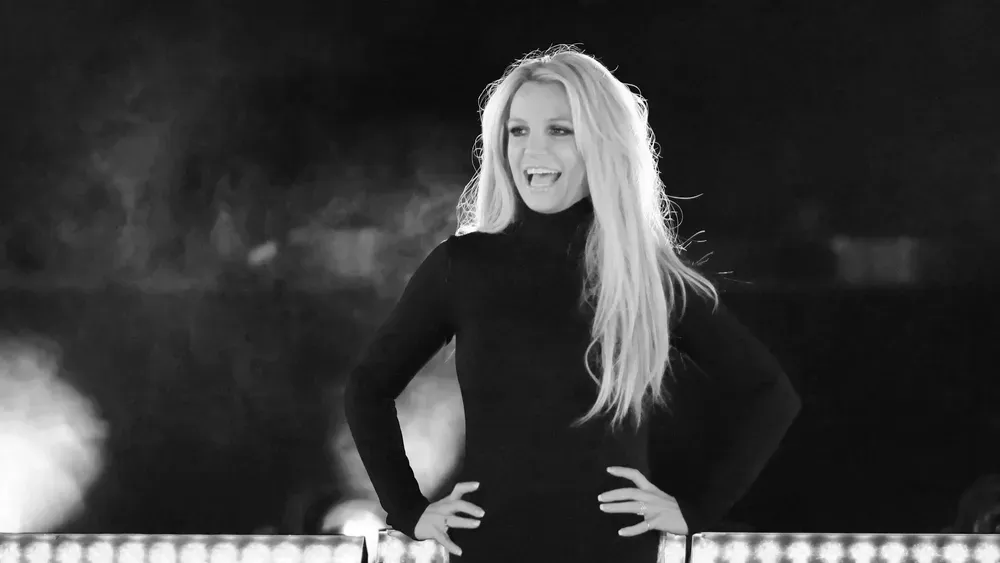
LAS VEGAS, NEVADA - OCTOBER 18: Singer Britney Spears attends the announcement of her new residency, "Britney: Domination" at Park MGM on October 18, 2018 in Las Vegas, Nevada. Spears will perform 32 shows at Park Theater at Park MGM starting in February 2019. Photo Credit: Ethan Miller
Britney Spears has spoken in detail for the first time about her recent DUI arrest, court plea, and stay in a treatment facility, describing the turbulent chapter as part of a “spiritual journey” and “a blessing in disguise.” In an Instagram post published over the weekend, the 44‑year‑old singer thanked her friends and “so many new beautiful people” she has met recently, while reflecting on her ongoing efforts to heal and make changes in her life.
The March arrest and legal outcome
On March 4, 2026, Spears was arrested by the California Highway Patrol in Ventura County after officers received a report of a speeding vehicle traveling erratically on the southbound 101 Freeway. Authorities said she was booked on suspicion of driving under the influence, leading to a single misdemeanor DUI charge that carried the possibility of more significant penalties if she were convicted.
On May 4, prosecutors in Ventura County agreed to allow Spears to plead guilty to a lesser offense commonly known as “wet reckless,” which is a reckless‑driving charge involving alcohol and/or drugs. Her attorney, Michael A. Goldstein, entered the plea on her behalf while she did not appear in the Ventura County courtroom, a standard allowance in many misdemeanor cases when defendants are represented by counsel.
As part of the plea agreement, a judge sentenced Spears to 12 months of informal probation, credited her with one day in jail already served at the time of booking, and ordered her to complete a three‑month DUI education program, along with the payment of state‑mandated fines and fees. Ventura County District Attorney Erik Nasarenko emphasized in remarks outside court that driving under the influence remains “an extremely serious crime,” and stressed that the reduced charge was consistent with local practice for first‑time offenders with low blood‑alcohol levels and no crashes or injuries.
Judge Matthew Nemerson and prosecutors also underscored that the reckless‑driving offense is “priorable,” meaning it can be used to enhance potential penalties if Spears reoffends in the future, including the possibility of longer probation terms or up to a year in Ventura County jail in a subsequent DUI case. In a statement to media, her attorney said the legal team appreciated that the district attorney’s office recognized the “positive steps” Spears has taken, and expressed confidence that she would keep working on her health and compliance.
Treatment, mental health, and conditions of probation
Following her March arrest, Spears voluntarily checked herself into a treatment facility in Camden, Maine, spending just under three weeks there before being discharged, according to multiple outlets citing representatives for the singer. Her representatives publicly framed the stay as an opportunity for Spears to address both mental health and substance‑related concerns, expressing hope in March that the arrest would serve as a “turning point” toward “long overdue change” in her life.
Under the probation terms outlined in open court, Spears is required to continue her existing regimen of mental health and substance‑use treatment, including at least weekly sessions with a psychologist and twice‑monthly visits with a psychiatrist. The court also ordered that she must not possess or use drugs without a valid prescription and is subject to search and seizure for alcohol and drugs in her vehicle during the probationary period.
Nasarenko told reporters that ensuring Spears continued with treatment was “one of the key components” of the agreement, emphasizing that the goal was to prevent reoffending rather than to secure a more punitive sentence. In separate comments reported by international media, he said the reduced charge and conditions were consistent with standard practice for similar first‑offense cases involving cooperation and early acceptance of responsibility.
“Spiritual journey” and “blessing in disguise”
Spears’ latest Instagram post centers on an image of a snake, which she describes as a symbol of “good health, higher consciousness, and pure luck,” tying the encounter to a recent outing with her sons to a pet store. Reflecting on that moment, she writes that she is “so damn thankful” to her friends and “so many new beautiful people” she has met “through my spiritual journey,” adding that the difficult period has turned out to be “all a blessing in disguise.”
The singer also acknowledges the ongoing nature of her recovery and self‑reflection, saying she still has “to learn how to be kind to myself and the way I speak to myself” and describing personal growth as “a never ending journey.” In a moment of spiritual reflection, she notes that at times she pauses, looks up, and thinks, “wow God I think that was you,” suggesting that she views recent events through a lens of faith as well as personal responsibility.
Spears’ use of the term “spiritual journey” in this context echoes earlier social‑media posts over recent years in which she has described exploring practices like intermittent fasting and prayer as part of a search for “an enlightened state of consciousness,” though those earlier comments predate the current case. Her decision to characterize recent legal and health challenges as a “blessing in disguise” signals that she is trying to frame the experience as an opportunity for growth rather than solely as a setback.
Public scrutiny, privacy, and ongoing obligations
Spears’ situation unfolds amid sustained public attention following the 2021 termination of the conservatorship that controlled many aspects of her life for nearly 14 years, a development that was accompanied by intense media coverage and a prominent #FreeBritney campaign across social platforms. Her latest legal and health developments have renewed debate over how closely the public should scrutinize the private struggles of entertainers, and what responsible coverage looks like when mental health, substance use, and trauma are involved.
For now, the legal framework around Spears is defined by the terms of her one‑year probation, which requires strict adherence to treatment, sobriety conditions in her vehicle, and completion of mandated education and financial obligations. Prosecutors have publicly warned that any new offense involving impaired driving could lead to significantly harsher consequences due to the “priorable” nature of her reckless‑driving conviction.
Spears’ recent comments, meanwhile, suggest she is attempting to reclaim some narrative control by framing her experience in terms of gratitude, spirituality, and ongoing self‑work rather than strictly legal outcomes. As she continues under court supervision, the extent to which she is able to maintain stability, privacy, and autonomy will likely remain of interest to fans, advocates, and observers of the broader conversation around celebrity, mental health, and the justice system.
Copyright EDGE Media Network. All rights reserved. This material may not be published, broadcast, rewritten, or redistributed.