Pattie Gonia Says Patagonia Is Trying to “Bully” and “Erase” Her as Trademark Fight Goes Public
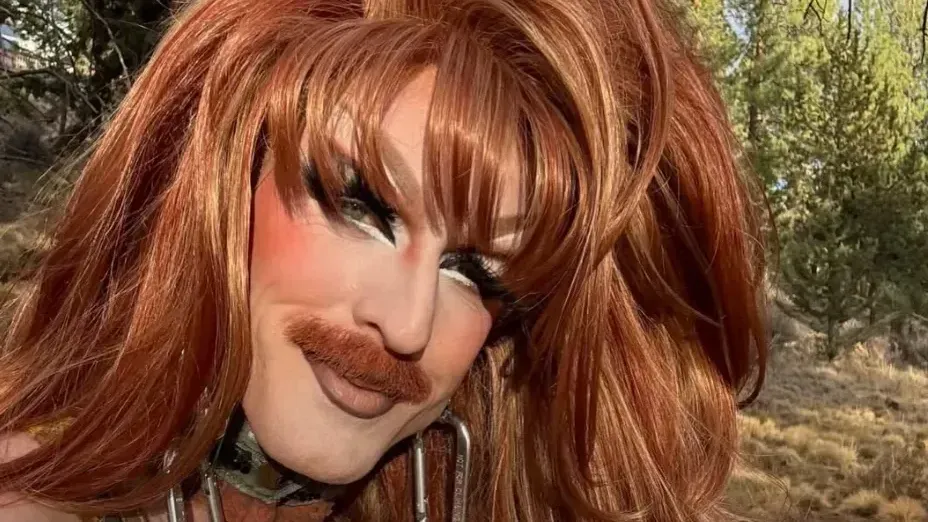
Photo Credit: Pattie Gonia / Instagram
Patagonia, the California‑based outdoor clothing and gear company founded in 1973, filed a federal trademark infringement lawsuit in January 2026 against drag performer and environmental activist Pattie Gonia, whose legal name is Wyn Wiley, in the U.S. District Court for the Central District of California. The case, filed on January 21 and captioned Patagonia Inc. v. Pattie Gonia Productions, targets Wiley and Entrepreneur Enterprises dba Pattie Gonia Productions over use of the “Pattie Gonia” name on apparel, events, and advocacy‑related services.
Patagonia argues that the “Pattie Gonia” mark, a phonetic play on “Patagonia,” has been used in ways that directly overlap with the company’s own commercial activities, including apparel sales and environmental advocacy, creating what it calls a likelihood of consumer confusion regarding affiliation, sponsorship, or endorsement. The complaint notes that Wiley sought federal registration of “PATTIE GONIA” in September 2025 for a broad range of goods and services, from clothing and online marketing to promoting public awareness of environmental sustainability and LGBTQIA2S+ equality, mirroring areas Patagonia says are core to its business and mission.
The lawsuit and Patagonia’s position
In its public statement titled “Protecting Our Brand: Update on Trademark Activity,” Patagonia says it “reluctantly” filed the lawsuit to defend trademarks it has developed over more than 50 years, arguing that failing to act against “near copies” of its name could dilute the brand and undermine its environmental advocacy work. The company asserts that the “Pattie Gonia” brand, which appears on outdoor‑themed merchandise and in connection with climate‑focused events, “poses long‑term threats to Patagonia’s brand and our activism” because consumers might wrongly assume corporate backing.
Court filings and coverage indicate Patagonia is seeking what it describes as “only nominal monetary damages” in the amount of $1, along with attorneys’ fees and, most significantly, an injunction prohibiting Wiley from using “Pattie Gonia” as a registered trademark in ways that infringe or dilute Patagonia’s marks. The company maintains that money alone cannot remedy the alleged harm, telling the court that the damage to its reputation and distinctiveness is “irreparable” and that an injunction is the only adequate solution.
The complaint references a prior 2022 agreement, under which Wiley allegedly promised to limit use of the “Pattie Gonia” name as a brand and avoid incorporating Patagonia’s logo or distinctive trade dress, a commitment Patagonia says was later violated when Wiley resumed selling merchandise and sought trademark protection. Coverage of the legal filings reports that Patagonia claims Wiley’s merchandise at times included stylized designs, such as “Pattie Gonia Hiking Club” graphics, that the company views as echoing its own visual branding.
Pattie Gonia breaks months of silence
For several months after the lawsuit was filed, Wiley did not issue an extensive public response, instead focusing on private efforts to resolve the dispute, according to later statements. That changed on May 27, when she posted a detailed video on YouTube and shared aligned statements on social media, describing the lawsuit as a fight that goes beyond trademarks and into the ability of a queer climate activist to continue using her name and platform.
“Today I’m speaking publicly for the first time about the lawsuit Patagonia Inc. filed against me, a climate activist, in federal court,” she wrote, framing the conflict as an asymmetrical battle between a “multi‑billion dollar corporation” and an individual creator who uses drag to advocate for environmental protection and LGBTQ+ rights. Wiley said she had remained quiet for four months while exploring settlement options, but ultimately faced a choice between relinquishing the “Pattie Gonia” name and the work built around it or contesting the case in public.
Claims of “bullying” and “erasure”
In her new statements, Wiley contends that Patagonia’s legal strategy is less about a brand clash and more about power, saying, “This is not a brand conflict. This is a corporation trying to erase an activist.” She accuses the company of using its substantial resources to “bully” a smaller opponent, asserting that Patagonia is seeking to permanently take away her performing and advocacy name through trademark restrictions that would extend far beyond any one product line.
Wiley also disputes Patagonia’s messaging that the lawsuit is financially minimal because it requests only $1 in damages, writing that “what they’re actually trying to do is take away my name permanently and threaten me with more than $1M in legal fees.” She says that facing more than a million dollars in potential attorneys’ fees could strip away not only her activism and income, but also the livelihoods of team members she employs, framing the financial risk as existential for her small operation.
Wiley emphasizes that she and her collaborators “never and will never reference the brand Patagonia’s logo or brand,” arguing that her work is distinct and that her drag persona has been built organically over years of community‑based activism and outdoor events. She further notes that Patagonia’s complaint explicitly lists activities such as “motivational speaking services in support of environmental sustainability” and “organizing, arranging, and conducting trail and hiking events” as infringing uses, contending that the company is effectively targeting the same climate‑focused, community‑oriented activities for which she is best known.
Legal counter‑moves and call to action
In newly filed court documents, Wiley’s legal team denies Patagonia’s allegations and requests a jury trial, asserting that there is “no likelihood of confusion” between the Patagonia trademarks and the “Pattie Gonia” moniker as used by a drag artist and activist. Her attorneys reportedly argue that one or more of Patagonia’s asserted marks may not meet the legal standards for being distinctive or famous to the extent claimed in the company’s dilution arguments.
Wiley’s public messaging now intertwines legal defense with community mobilization: she urges her followers — including an audience of about 1.7 million people on Instagram alone — to support her demand that Patagonia drop the lawsuit, while promising additional updates as the case evolves. In her video and posts, she calls on supporters to engage respectfully but firmly with the company and to view the dispute as part of a larger conversation about how corporations interact with queer activists and climate‑justice organizers.
Broader stakes for branding, activism, and LGBTQ+ visibility
The dispute unfolds at an intersection of trademark law, corporate social responsibility, and LGBTQ+ visibility in the outdoors, raising questions about how far established brands may go in policing perceived echoes of their names when those echoes belong to people using art and advocacy to address climate change. Commentators in legal and business circles note that while trademark owners are legally required to police their marks to avoid genericide and dilution, enforcement against marginalized activists can carry reputational risks and may appear inconsistent with stated commitments to inclusion and environmental justice.
Patagonia has long promoted a public image of environmental leadership, once declaring it was “in business to save our home planet,” and has engaged in high‑profile campaigns on conservation and climate policy, factors that now frame the optics of its conflict with a queer climate activist who also leads hikes and educational events. For LGBTQ+ people who have found visibility and community in outdoor spaces through Pattie Gonia’s work, the lawsuit raises concerns about whether legal mechanisms designed to safeguard intellectual property might inadvertently narrow the space for queer and trans environmental advocacy.
As of late May 2026, the case remains active, with Patagonia reiterating that it is primarily focused on protecting its trademark and Wiley vowing to defend her ability to use the Pattie Gonia name in court and in public life. No trial date has yet been reported, and both sides face mounting legal and reputational stakes as supporters, customers, and legal observers watch to see how the clash between a global outdoor brand and a queer climate activist will play out in court and in public opinion.
Copyright EDGE Media Network. All rights reserved. This material may not be published, broadcast, rewritten, or redistributed.