Maluma Says Panic Attacks After 14 Years on Tour ‘Changed My Life’ as He Steps Back to Heal
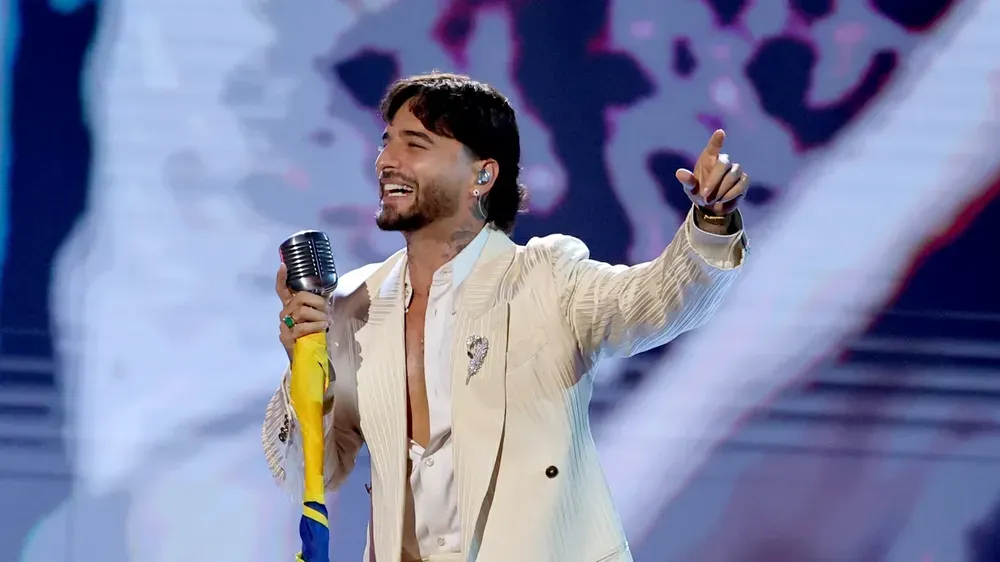
LAS VEGAS, NEVADA - MAY 25: Maluma performs onstage during the 52nd American Music Awards at MGM Grand Garden Arena on May 25, 2026 in Las Vegas, Nevada. Photo Credit: Ethan Miller
In a recent series of interviews, Colombian singer Maluma has spoken publicly about experiencing panic attacks for the first time after nearly 14 years of almost continuous touring, describing the episodes as a turning point that “changed my life.” Appearing on “The Jennifer Hudson Show,” he explained that the combination of becoming a father, nonstop travel, and mounting expectations led him to step back from touring and focus on mental health, therapy, and more intentional living.
A Turning Point After Years on the Road
Maluma, whose birth name is Juan Luis Londoño, has built his career on global tours and high-profile performances, often spending much of the year on the road. In his recent comments, he said he had been “touring for almost 14 years in a row,” emphasizing that he rarely took substantial breaks during that time.
On “The Jennifer Hudson Show,” the artist said that despite outward success, the pace eventually became unsustainable. He explained that he made a deliberate decision to stop touring so he could “pay attention” and “try to find myself again,” linking that decision directly to the period around the birth of his daughter, Paris.
Panic Attacks That ‘Changed My Life’
In interviews and televised segments, Maluma has said that at the end of 2024 he began to feel panic attacks and anxiety symptoms that he had never experienced before. Spanish-language coverage of his comments quotes him saying, “A finales de 2024, comencé a sentir ataques de pánico, algo que nunca había tenido antes,” and noting that this “realmente cambió mi vida.”
He has described those panic attacks as a major red flag that forced him to reconsider how he was working and living. In the televised conversation with Jennifer Hudson, he explained that the panic attacks emerged after he decided to take a step back from touring and focus more on family, suggesting that the change in pace surfaced stress and exhaustion that had accumulated over years.
Fatherhood, Grief, and Growing Pressure
Maluma became a father in 2024, welcoming his daughter Paris with his partner Susana Gómez, a life change he says deeply affected his priorities. In his comments on the show, he connected the birth of his daughter to a desire to work “harder and harder,” which he said ultimately contributed to burnout and heightened anxiety.
The Jennifer Hudson segment also references the loss of a close friend, which Maluma said taught him the importance of living fully in the present. He framed that grief, combined with the responsibilities of parenthood and a demanding career, as part of the emotional context in which he eventually experienced panic attacks and chose to reassess his life.
Spanish-language outlets covering his recent appearances note that he has previously spoken about mental health challenges, including anxiety and depression, particularly after family losses. These reports describe him taking temporary breaks from social media and reconsidering aspects of his lifestyle, signaling an evolving openness about mental health long before his latest comments about panic attacks.
Therapy, Music, and a New Project
Maluma has emphasized that professional therapy and creative work were central to his recovery from panic attacks. In Spanish-language interviews summarizing his television appearance, he is quoted saying, “Empecé a hacer mucha terapia, y mi sanación estuvo en mi música,” describing how he used both mental health care and songwriting as tools to heal.
The artist has said he has been working on a new musical project for almost two years, calling it the “deepest part” of his soul and heart. In the same coverage, he notes that the project honors his grandparents, his culture, and his home city in Colombia, suggesting a more introspective approach to his artistry following his mental health challenges.
Reports indicate that his upcoming or recently released album “Loco X Volver” is tied to this period of reflection and recovery, with the project arriving in mid-May 2026. In interviews, Maluma describes the album as his most personal work to date, shaped by his experiences with therapy, fatherhood, and stepping away from long-running touring commitments.
Feeling ‘Amazing’ and Free of Panic Attacks
In his recent comments, Maluma has been clear that he no longer experiences panic attacks, attributing that improvement to therapy and changes in his lifestyle and work. Spanish-language radio coverage quotes him saying he feels “bastante bien ahora,” adding that he does not have panic attacks anymore and is excited about the current stage of his career.
The singer characterizes this moment as a “good season,” saying he is enjoying life and looking forward to sharing a more authentic version of himself with the public. He has said that listeners will get to know “Juan Luis,” the person behind the stage name, emphasizing vulnerability and honesty as he emerges from the period marked by panic attacks and intense self-reflection.
Mental Health Visibility in Pop Music
Maluma’s decision to speak openly about panic attacks continues a broader trend of major artists discussing mental health challenges, including anxiety, depression, and burnout. While each person’s experience is specific, his account aligns with research and testimony showing that high-pressure industries, including entertainment, can increase stress and risk of mental health symptoms.
Coverage of his comments does not mention specific LGBTQ+ themes, but advocates often note that increased visibility around mental health in mainstream pop culture can help reduce stigma for many communities, including LGBTQ+ people who already face higher rates of discrimination and stress. By naming panic attacks directly and describing therapy in pragmatic terms, Maluma adds a high-profile voice to ongoing conversations about mental health access and care in Latin American and global entertainment contexts.
Copyright EDGE Media Network. All rights reserved. This material may not be published, broadcast, rewritten, or redistributed.