Derek Hough Recounts “Extreme” Childhood Bullying, from Beatings to Being Held at Gunpoint

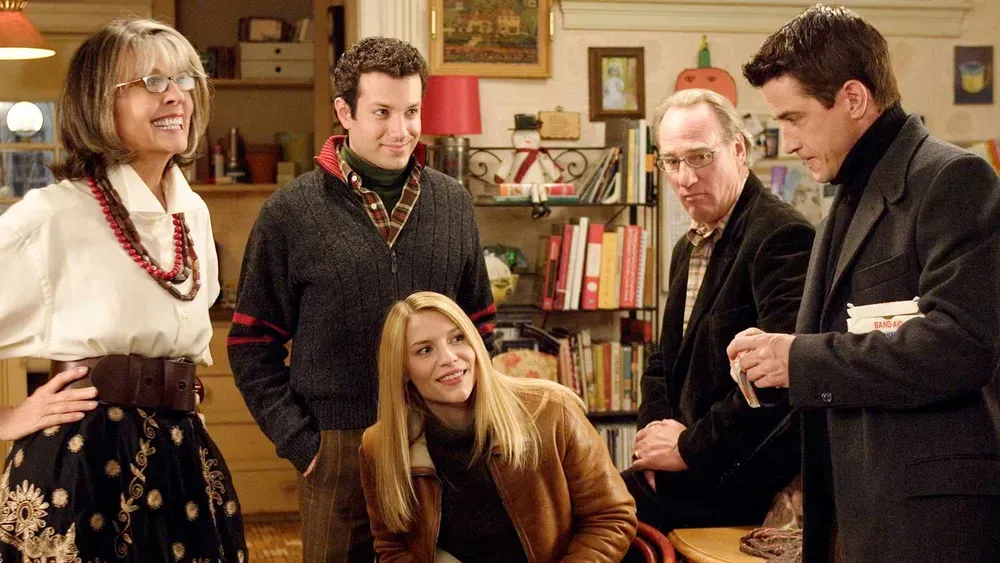
Photo Credit: Disney/ABC
by Chris Tremblay May 28
5 MIN READ
“Dancing with the Stars” judge Derek Hough has shared stark details of what he describes as “severe” and “extreme” bullying in his childhood, saying peers and neighborhood kids beat him, hogtied him, hung him upside down from a tree, spat on him and at one point held a gun to his head. Hough, now 41, revisited those memories in a May 25 episode of “The Bossticks” podcast, describing long‑lasting trauma including night terrors, bed‑wetting and intense fear of the dark.
Hough’s comments add new detail to experiences he has referenced in earlier interviews and social media posts about being targeted as a sensitive, dance‑focused kid, underscoring the enduring impact of physical and psychological violence on children. While Hough did not frame the abuse in terms of sexuality or gender, his account speaks to broader concerns from advocates that boys perceived as non‑conforming or insufficiently “masculine” often become targets for especially severe bullying.
In the new interview on “The Bossticks,” hosted by Lauryn Bosstick, Hough said he was “a young little scrawny little kid” who already felt vulnerable when bullying at school escalated into serious physical attacks. He recalled one incident in which another student punched him in the face so hard that he was “bleeding everywhere,” saying that when he finally fought back, he ended up being the one expelled from school.
Beyond the schoolyard, Hough said the most serious harm came from older neighborhood kids near his home in Utah, who he alleges “tormented” him and his family. According to summaries of the podcast, he told Bosstick that these neighbors hung him from a tree by his ankles, spit on him, hogtied him in a field and at times pressed a gun to his head, describing the experience as terrifying.
TMZ’s account of the interview notes that Hough characterized the treatment as more than typical bullying, with a group of boys allegedly jumping him because a girl liked him and repeatedly subjecting him to degrading acts. Outlets owned by Sinclair, including The National Desk and local affiliates, carried nearly identical summaries, emphasizing his description of being tied up, hung upside down and threatened with a gun as a child.
Hough said the violence and intimidation did not end when he went home, explaining that he developed night terrors that lasted for years and frequently wet the bed as a direct result of his fear. He added that ordinary childhood experiences, such as sleepovers at friends’ homes, became so overwhelming that he often called his mother to pick him up early because he was too scared to stay.
These new details closely mirror a story Hough shared in a 2025 video interview titled “Millions Watched Me Dance — No One Saw My Trauma,” where he described being tied by his ankles, hung from a tree, spat on and having what he believed was a gun pressed to his head by neighborhood boys, saying he thought he might die. In earlier comments, he has referred to this period as a form of “physical and emotional torture,” framing the experiences as a significant part of his personal history rather than isolated incidents.
Mental health organizations note that survivors of severe childhood bullying and abuse often experience bed‑wetting, sleep disturbances, hypervigilance and difficulties in social settings, especially when environments like sleepovers take them away from perceived sources of safety. Hough’s narrative fits patterns described in research, where children subjected to ongoing threats or violence may show trauma‑related symptoms even long after the abuse stops.
Hough has previously said that he grew up in Utah and that dance became a refuge from bullying, particularly after he moved to London in early adolescence to train with acclaimed ballroom coaches. In the new coverage of his “Bossticks” appearance, outlets report that he again linked his eventual relocation to the chance to escape an unsafe environment and find a community that valued his artistry.
In previous interviews, including an America’s Got Talent‑affiliated podcast, Hough has described neighbors tying him up by the ankles, hanging him in a tree and hogtying him in a field “for hours,” explaining that adults later helped him process how extreme those experiences really were. These older conversations align with his recent remarks, suggesting a consistent account of the bullying and its severity over several years.
Hough has also spoken about how dance provided structure, discipline and a sense of belonging that helped him rebuild confidence after the abuse. While the latest reports focus primarily on the violence he endured, they sit within a longer story he has told about finding resilience and purpose in performance.
Although Hough’s recent comments centered on his personal past, they come amid sustained alarm from educators and advocates about the impact of bullying on children who are seen as different because of their interests, gender expression, disability, race, or perceived sexuality. The Trevor Project reports that LGBTQ+ young people are more likely than their non‑LGBTQ+ peers to report being bullied at school or online, and that bullying is associated with higher rates of anxiety, depression and self‑harm among these youth.
In prior statements, Hough has linked his experiences to a wider concern about how bullying has evolved in the era of social media, noting in a 2025 Instagram video that he saw parallels between the “physical and emotional torture” he endured as a child and the emotional harm some young people now experience in digital spaces. Anti‑bullying groups stress that violence should never be dismissed as “kids being kids,” calling for schools, families and communities to take reports seriously, support survivors and address the biases that can make children who don’t fit rigid gender or behavior norms especially vulnerable.
Hough has not publicly tied his own abuse to sexual orientation or gender identity, but his story resonates with accounts from many young people—including LGBTQ+ youth—who describe being targeted for dancing, creative interests or perceived non‑conformity to traditional masculinity. Advocates say that when public figures speak openly about these experiences, it can help reduce stigma, validate survivors and encourage more comprehensive approaches to safety in schools and neighborhoods.
Coverage of Hough’s podcast appearance has sparked renewed online discussion about where the line lies between bullying and abuse, with many commentators describing the alleged conduct in his story as closer to assault and torture than to typical peer conflict. While the latest reports do not quote Hough offering policy prescriptions, advocates often emphasize prevention strategies such as clear anti‑bullying policies, bystander intervention training, trauma‑informed counseling and affirming school climates for all students, including LGBTQ+ youth.
For now, Hough’s detailed recollections place the focus squarely on the lived reality of a child who says he was routinely threatened and humiliated, even as he later became an internationally recognized dancer and television personality. Mental health professionals encourage survivors of similar experiences—regardless of gender identity or sexual orientation—to seek support from trusted adults, clinicians or helplines, noting that healing is possible and that abuse is never the fault of the person who was harmed.
The podcast account of violence
In the new interview on “The Bossticks,” hosted by Lauryn Bosstick, Hough said he was “a young little scrawny little kid” who already felt vulnerable when bullying at school escalated into serious physical attacks. He recalled one incident in which another student punched him in the face so hard that he was “bleeding everywhere,” saying that when he finally fought back, he ended up being the one expelled from school.
Beyond the schoolyard, Hough said the most serious harm came from older neighborhood kids near his home in Utah, who he alleges “tormented” him and his family. According to summaries of the podcast, he told Bosstick that these neighbors hung him from a tree by his ankles, spit on him, hogtied him in a field and at times pressed a gun to his head, describing the experience as terrifying.
TMZ’s account of the interview notes that Hough characterized the treatment as more than typical bullying, with a group of boys allegedly jumping him because a girl liked him and repeatedly subjecting him to degrading acts. Outlets owned by Sinclair, including The National Desk and local affiliates, carried nearly identical summaries, emphasizing his description of being tied up, hung upside down and threatened with a gun as a child.
Long‑term trauma and fear
Hough said the violence and intimidation did not end when he went home, explaining that he developed night terrors that lasted for years and frequently wet the bed as a direct result of his fear. He added that ordinary childhood experiences, such as sleepovers at friends’ homes, became so overwhelming that he often called his mother to pick him up early because he was too scared to stay.
These new details closely mirror a story Hough shared in a 2025 video interview titled “Millions Watched Me Dance — No One Saw My Trauma,” where he described being tied by his ankles, hung from a tree, spat on and having what he believed was a gun pressed to his head by neighborhood boys, saying he thought he might die. In earlier comments, he has referred to this period as a form of “physical and emotional torture,” framing the experiences as a significant part of his personal history rather than isolated incidents.
Mental health organizations note that survivors of severe childhood bullying and abuse often experience bed‑wetting, sleep disturbances, hypervigilance and difficulties in social settings, especially when environments like sleepovers take them away from perceived sources of safety. Hough’s narrative fits patterns described in research, where children subjected to ongoing threats or violence may show trauma‑related symptoms even long after the abuse stops.
From Utah childhood to dance refuge
Hough has previously said that he grew up in Utah and that dance became a refuge from bullying, particularly after he moved to London in early adolescence to train with acclaimed ballroom coaches. In the new coverage of his “Bossticks” appearance, outlets report that he again linked his eventual relocation to the chance to escape an unsafe environment and find a community that valued his artistry.
In previous interviews, including an America’s Got Talent‑affiliated podcast, Hough has described neighbors tying him up by the ankles, hanging him in a tree and hogtying him in a field “for hours,” explaining that adults later helped him process how extreme those experiences really were. These older conversations align with his recent remarks, suggesting a consistent account of the bullying and its severity over several years.
Hough has also spoken about how dance provided structure, discipline and a sense of belonging that helped him rebuild confidence after the abuse. While the latest reports focus primarily on the violence he endured, they sit within a longer story he has told about finding resilience and purpose in performance.
Bullying in a broader context
Although Hough’s recent comments centered on his personal past, they come amid sustained alarm from educators and advocates about the impact of bullying on children who are seen as different because of their interests, gender expression, disability, race, or perceived sexuality. The Trevor Project reports that LGBTQ+ young people are more likely than their non‑LGBTQ+ peers to report being bullied at school or online, and that bullying is associated with higher rates of anxiety, depression and self‑harm among these youth.
In prior statements, Hough has linked his experiences to a wider concern about how bullying has evolved in the era of social media, noting in a 2025 Instagram video that he saw parallels between the “physical and emotional torture” he endured as a child and the emotional harm some young people now experience in digital spaces. Anti‑bullying groups stress that violence should never be dismissed as “kids being kids,” calling for schools, families and communities to take reports seriously, support survivors and address the biases that can make children who don’t fit rigid gender or behavior norms especially vulnerable.
Hough has not publicly tied his own abuse to sexual orientation or gender identity, but his story resonates with accounts from many young people—including LGBTQ+ youth—who describe being targeted for dancing, creative interests or perceived non‑conformity to traditional masculinity. Advocates say that when public figures speak openly about these experiences, it can help reduce stigma, validate survivors and encourage more comprehensive approaches to safety in schools and neighborhoods.
Continuing conversation and public response
Coverage of Hough’s podcast appearance has sparked renewed online discussion about where the line lies between bullying and abuse, with many commentators describing the alleged conduct in his story as closer to assault and torture than to typical peer conflict. While the latest reports do not quote Hough offering policy prescriptions, advocates often emphasize prevention strategies such as clear anti‑bullying policies, bystander intervention training, trauma‑informed counseling and affirming school climates for all students, including LGBTQ+ youth.
For now, Hough’s detailed recollections place the focus squarely on the lived reality of a child who says he was routinely threatened and humiliated, even as he later became an internationally recognized dancer and television personality. Mental health professionals encourage survivors of similar experiences—regardless of gender identity or sexual orientation—to seek support from trusted adults, clinicians or helplines, noting that healing is possible and that abuse is never the fault of the person who was harmed.
Copyright EDGE Media Network. All rights reserved. This material may not be published, broadcast, rewritten, or redistributed.